Trump, Modi seek to ease trade strains at G7 meeting
Trade, visas and energy were set to dominate Trump and Modi's G7 talks in France, their first face-to-face in about 16 months. Tariffs and Russia oil tensions clouded the meeting.
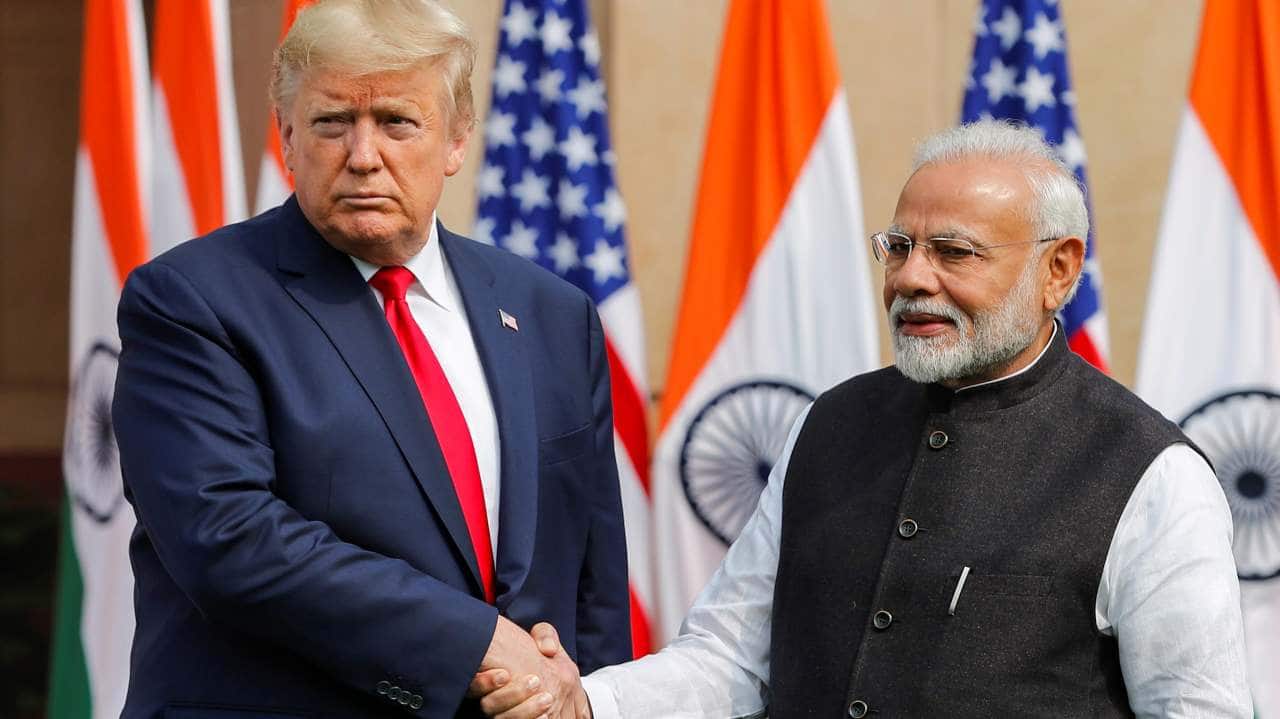
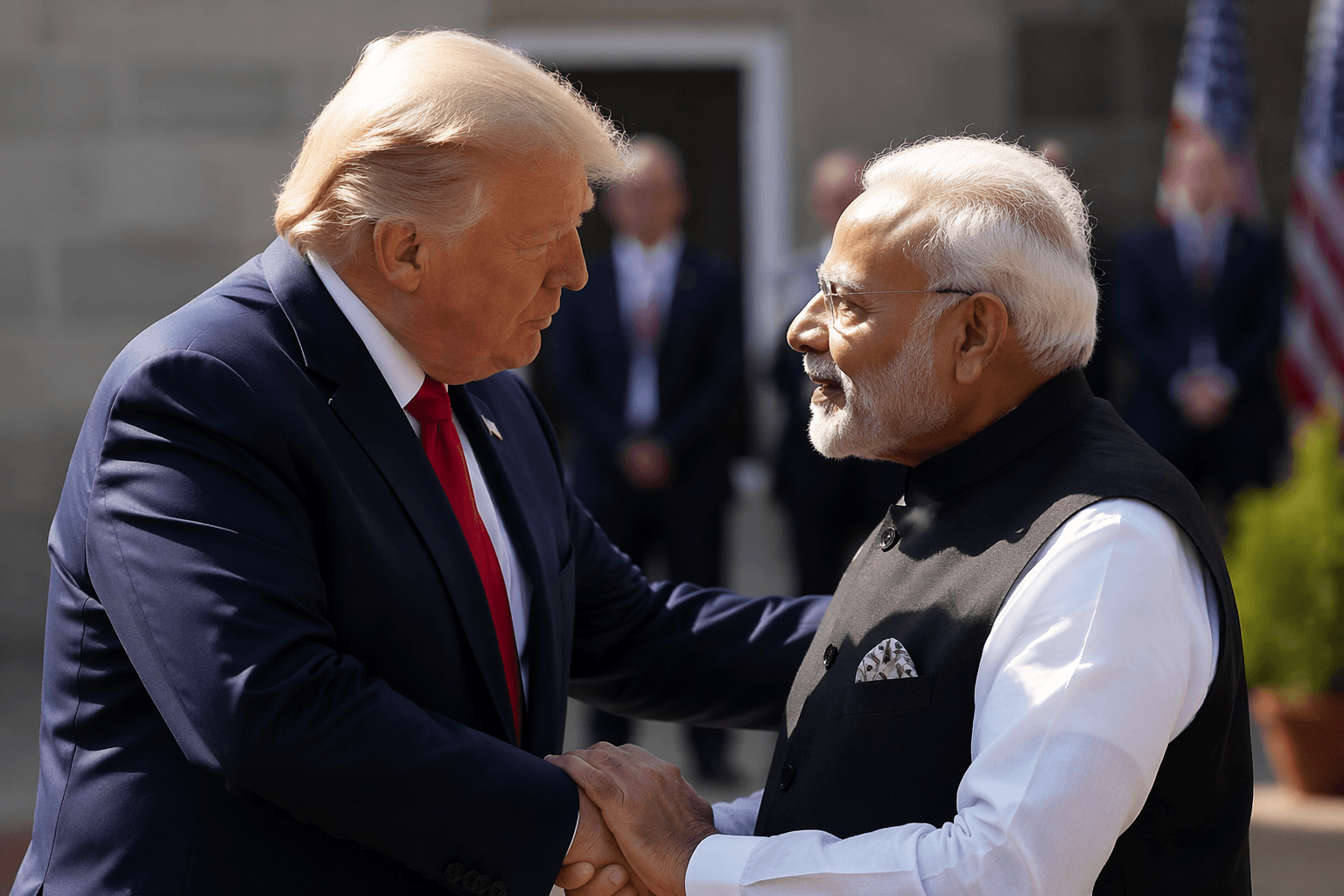
Donald Trump and Narendra Modi met on the sidelines of the Group of 7 summit in Evian-les-Bains, France, with trade, visas and energy cooperation at the center of a relationship that had become increasingly brittle. The encounter was their first face-to-face in about 16 months and came after a stretch of friction that tested one of Washington’s most consequential partnerships in Asia.
The two leaders had last held a bilateral meeting on February 13, 2025, in Washington, where they publicly reaffirmed the U.S.-India partnership and laid out an agenda spanning trade, technology, energy and defense. In the warm phase that followed, White House and embassy statements described the relationship as a Comprehensive Global Strategic Partnership. By mid-2026, however, analysts were describing ties as among the most difficult in years.
Tariffs became one of the sharpest fault lines. The Trump administration imposed steep duties on Indian imports in 2025 over India’s purchases of Russian oil, and a White House fact sheet in August 2025 said Trump signed an executive order targeting India because it continued buying Russian Federation oil. A later joint statement in February 2026 said the United States would apply an 18 percent reciprocal tariff rate on originating goods of India, while India would eliminate or reduce tariffs on a wide range of U.S. industrial and agricultural goods if an interim agreement is finalized.
Visa policy added another point of strain, with the H-1B system remaining central to the U.S.-India economic relationship. A federal judge struck down Trump’s $100,000 H-1B visa fee in June 2026, underscoring how immigration rules and labor policy had become part of the broader reset talks.
The meeting also unfolded against the backdrop of Trump’s repeated public claims that he helped end fighting between India and Pakistan in 2025, assertions Indian officials pushed back on. On May 10, 2025, the U.S. Department of State announced that India and Pakistan had agreed to an immediate ceasefire, but the statement did not explicitly endorse Trump’s later mediation claims. India’s ties with Russia remained another irritant for Washington, even as trade negotiators kept working to salvage a possible bilateral pact.
Modi’s five-day trip, which also included Slovakia, gave both sides a narrow opening to stabilize the relationship. Whether the G7 meeting produced real movement or only a temporary pause, the stakes were clear: the partnership could return to pragmatic cooperation or settle into a longer period of managed distrust.
This article was produced by Prism’s automated news system from verified source data, official records, and press releases, then run through automated quality and moderation checks before publishing. The system is built and supervised by the people who set the standards it runs under. Read our full AI policy.
Did this article answer your question?