Trump moves to remove Syria from terrorism blacklist
Trump said he would remove Syria from Washington’s terror blacklist, a move that could loosen aid, exports and finance rules after decades of sanctions.
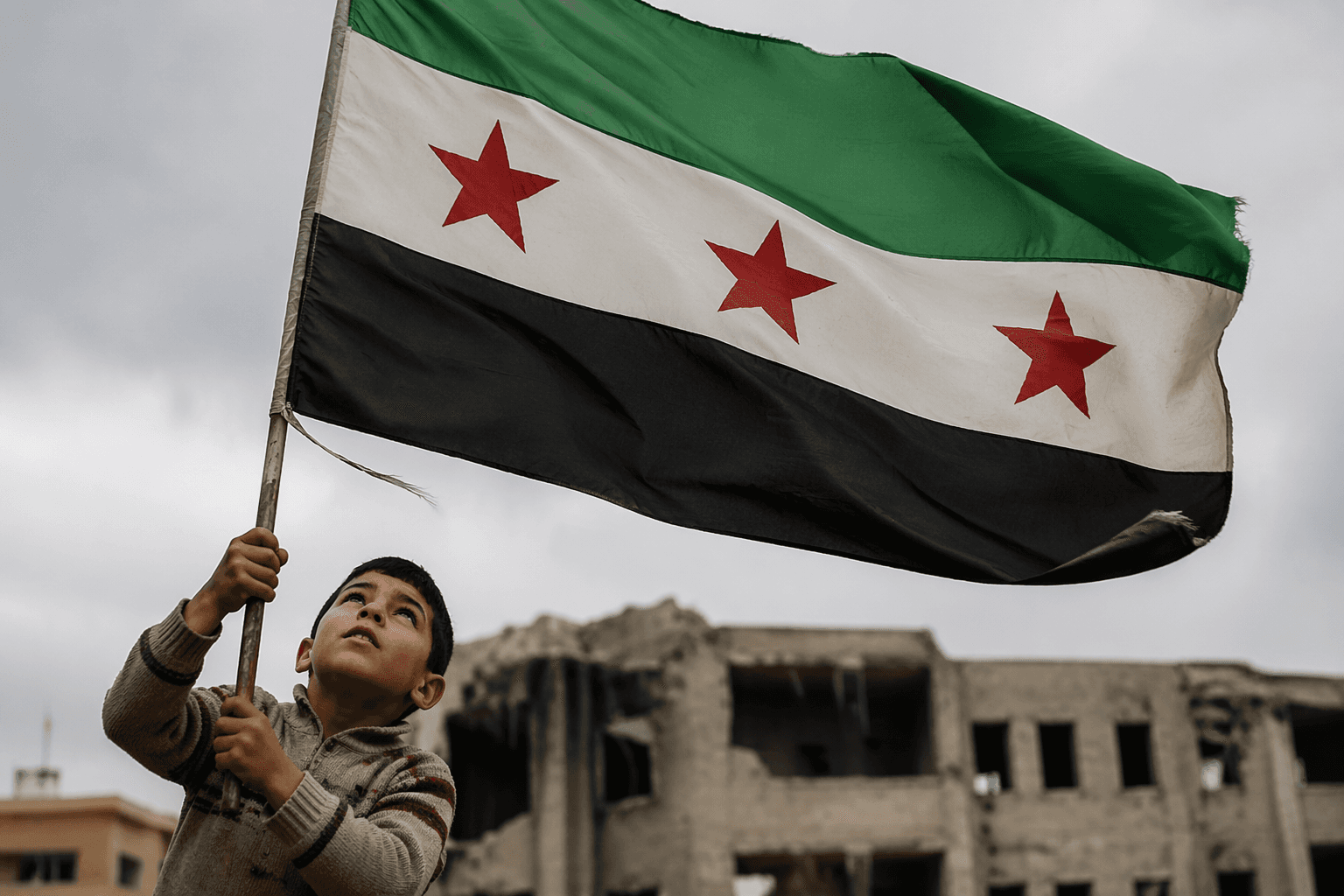
President Donald Trump said Wednesday he would move to remove Syria from the State Department’s State Sponsors of Terrorism list.
Trump made the announcement while sitting next to Syrian President Ahmed al-Sharaa during a bilateral meeting on the sidelines of the NATO summit in Ankara, Turkey. Secretary of State Marco Rubio said Trump had informed Congress of the administration’s intent to rescind the designation, starting a 45-day pre-notification review before the decision can become final.
Syria has been on the terrorism blacklist since December 29, 1979, making it one of only four countries currently designated by the United States under that authority, alongside Cuba, North Korea and Iran. The label has long carried restrictions on U.S. foreign assistance, defense exports and certain financial transactions, and it has been a central piece of the broader sanctions structure that has boxed Syria out of the Western financial system.
Rubio said lifting the designation would unlock international trade and investment and give Syria a chance to rebuild. That reconstruction push followed the fall of Bashar al-Assad in late 2024, when the country’s political order shifted and al-Sharaa emerged as the central figure in the new government. Al-Sharaa once led an al-Qaeda affiliate.
The move follows a broader retreat from the sanctions architecture Trump had inherited. The administration ended the Syria sanctions program effective July 1, 2025, while keeping penalties on Assad-era figures, human-rights abusers, captagon traffickers, ISIS and al-Qaida affiliates, and Iran-backed proxies. Removing Syria from the terrorism list would go further than that earlier rollback.
On July 1, 2026, a bipartisan group including Sen. Jeanne Shaheen, Rep. Joe Wilson and Sen. Elizabeth Warren urged the administration to remove Syria from the list, arguing that the designation was discouraging foreign investment and slowing reconstruction.
This article was produced by Prism’s automated news system from verified source data, official records, and press releases, then run through automated quality and moderation checks before publishing. The system is built and supervised by the people who set the standards it runs under. Read our full AI policy.
Did this article answer your question?