China braces for stronger typhoons as Super Typhoon Bavi nears
China faced up to six July typhoons as Bavi swept past Rota with winds above 290 kph and Maysak left Guangxi flooded, evacuated and under strain.
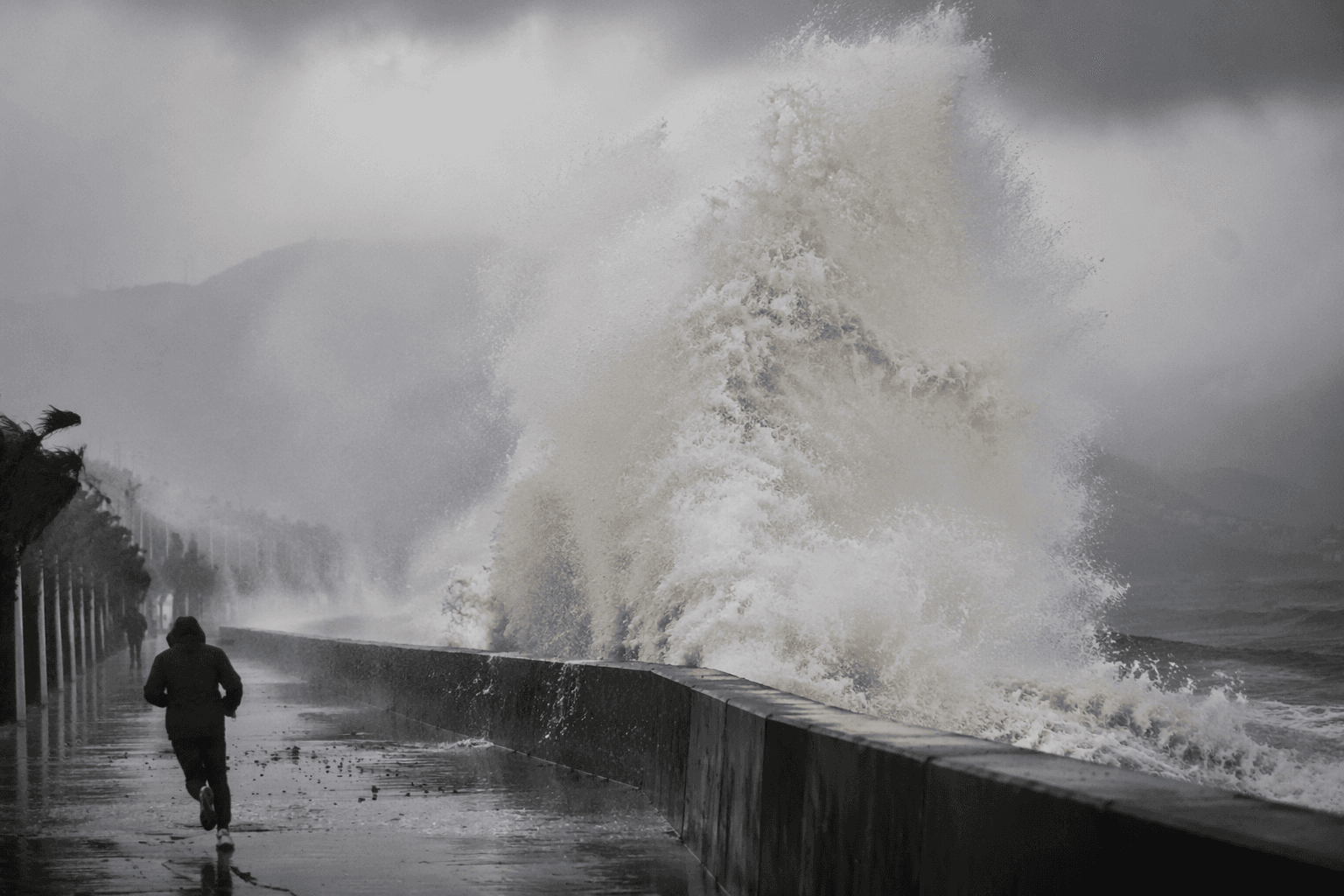
China entered another punishing stretch of tropical weather as Super Typhoon Bavi, a storm system more than 1,000 kilometers across, moved through the Western Pacific after passing Rota with winds above 290 kph. China’s National Climate Center said as many as six typhoons could form in July in the Northwest Pacific and South China Sea, well above the average of 3.8, with up to three landfalls in China compared with a normal 1.8.
The warning followed a brutal week of rain and flooding in the south. Typhoon Maysak made landfall on Hainan on July 3, crossed into Guangxi and then affected Vietnam on July 5, becoming the first tropical cyclone to reach the Chinese mainland in 2026. Officials in Guangxi said at least six people died and 375,000 were affected. Authorities evacuated 130,000 people, while Nanning raised flood-control response to the highest level as rivers and reservoirs swelled. One report said 341 reservoirs in Guangxi were above flood-limit levels, and Maysak’s remnants spawned at least two inland tornadoes in Central China.
The scale of the forecast is what turns this from another seasonal storm watch into a resilience test for the country’s emergency systems. Heavy rain can wash out roads, flood farmland, disrupt transport links and force repeated evacuations in low-lying coastal areas before residents and local governments have recovered from the previous hit. In the south, where major population centers, industrial zones and agricultural areas sit close to vulnerable river systems and coastlines, the pace of successive storms matters as much as their strength.

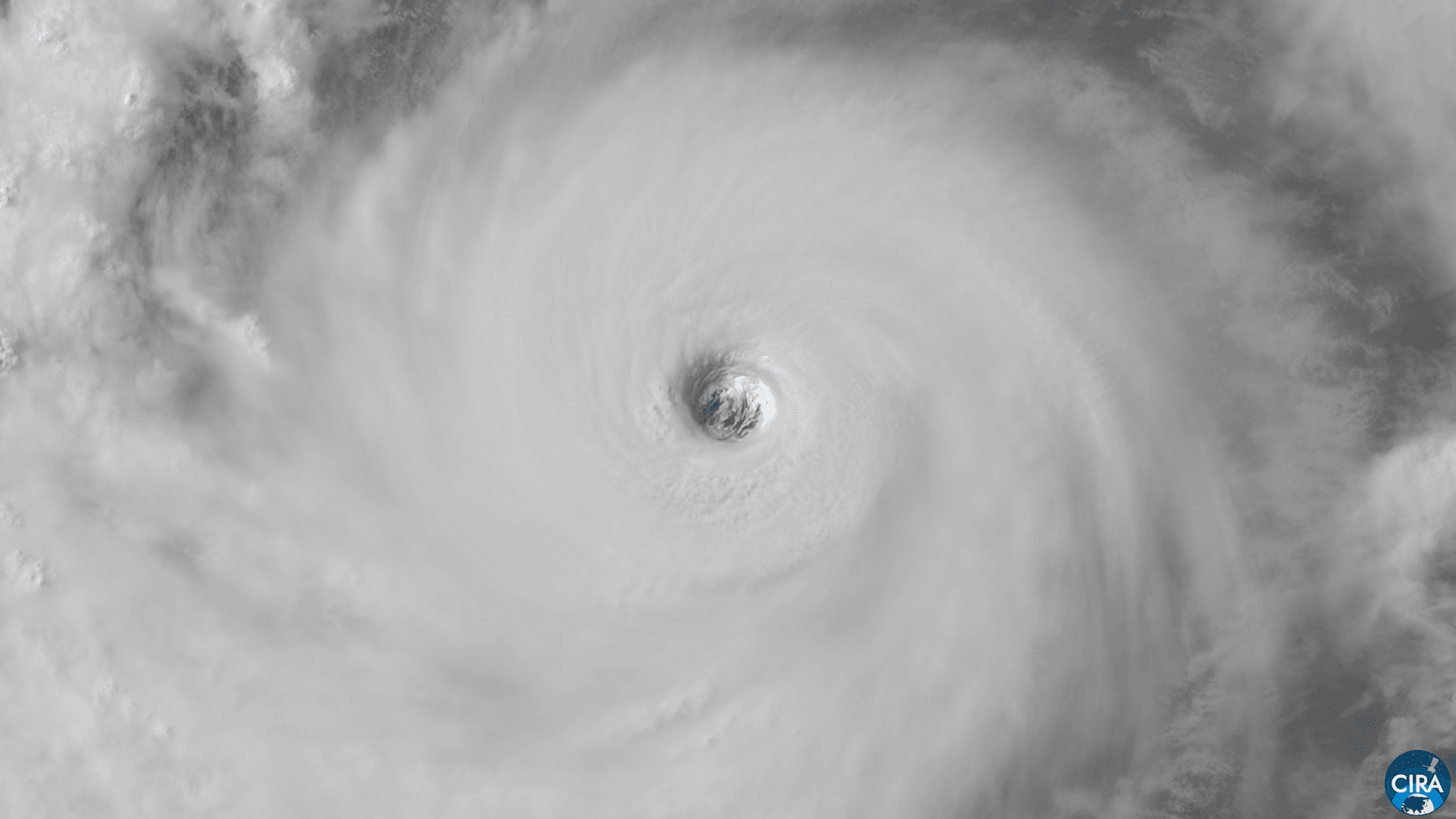
Bavi has already moved through a path that put Guam, Tinian and Saipan in the Northern Mariana Islands under pressure, and its approach came as forecasters warned that climate change and an El Nino pattern could make destructive rain, landslides and wind damage more likely. With July expected to deliver more storms than usual, Guangxi’s swollen reservoirs and Nanning’s highest-level flood response show how quickly the margin for error can disappear.
This article was produced by Prism’s automated news system from verified source data, official records, and press releases, then run through automated quality and moderation checks before publishing. The system is built and supervised by the people who set the standards it runs under. Read our full AI policy.
Did this article answer your question?