U.S. strikes hit Iran after tankers attacked in Strait of Hormuz
U.S. strikes on Iran hit more than 80 targets after tankers were attacked in the Strait of Hormuz, raising the risk of a wider Gulf war.
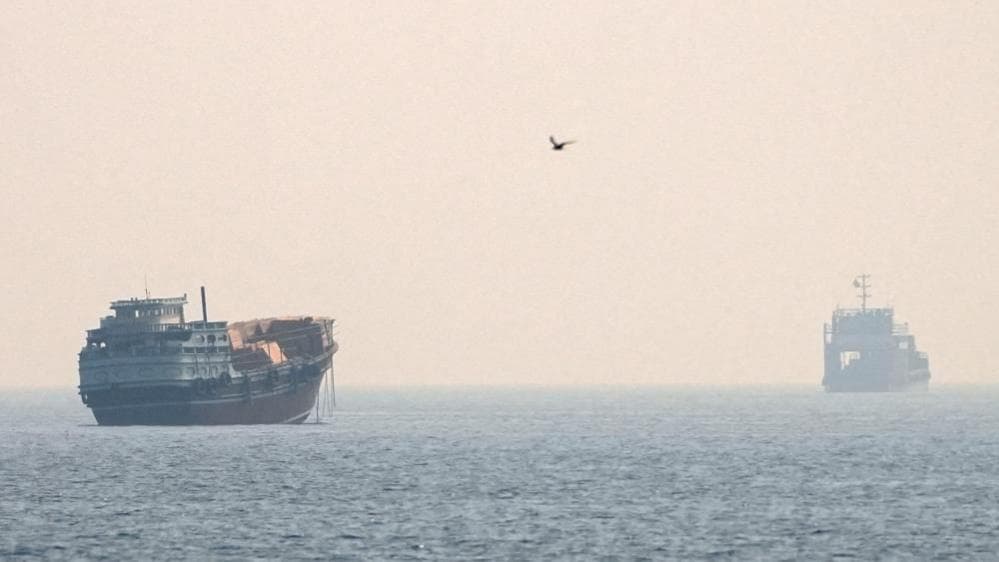
U.S. Central Command said it completed a new round of retaliatory strikes on Iran and hit more than 80 targets after projectiles struck commercial vessels in the Strait of Hormuz. The exchange pushed the conflict deeper into a cycle of reprisal that now threatens shipping lanes, U.S. military exposure in the Gulf and oil markets tied to one of the world’s most sensitive chokepoints.
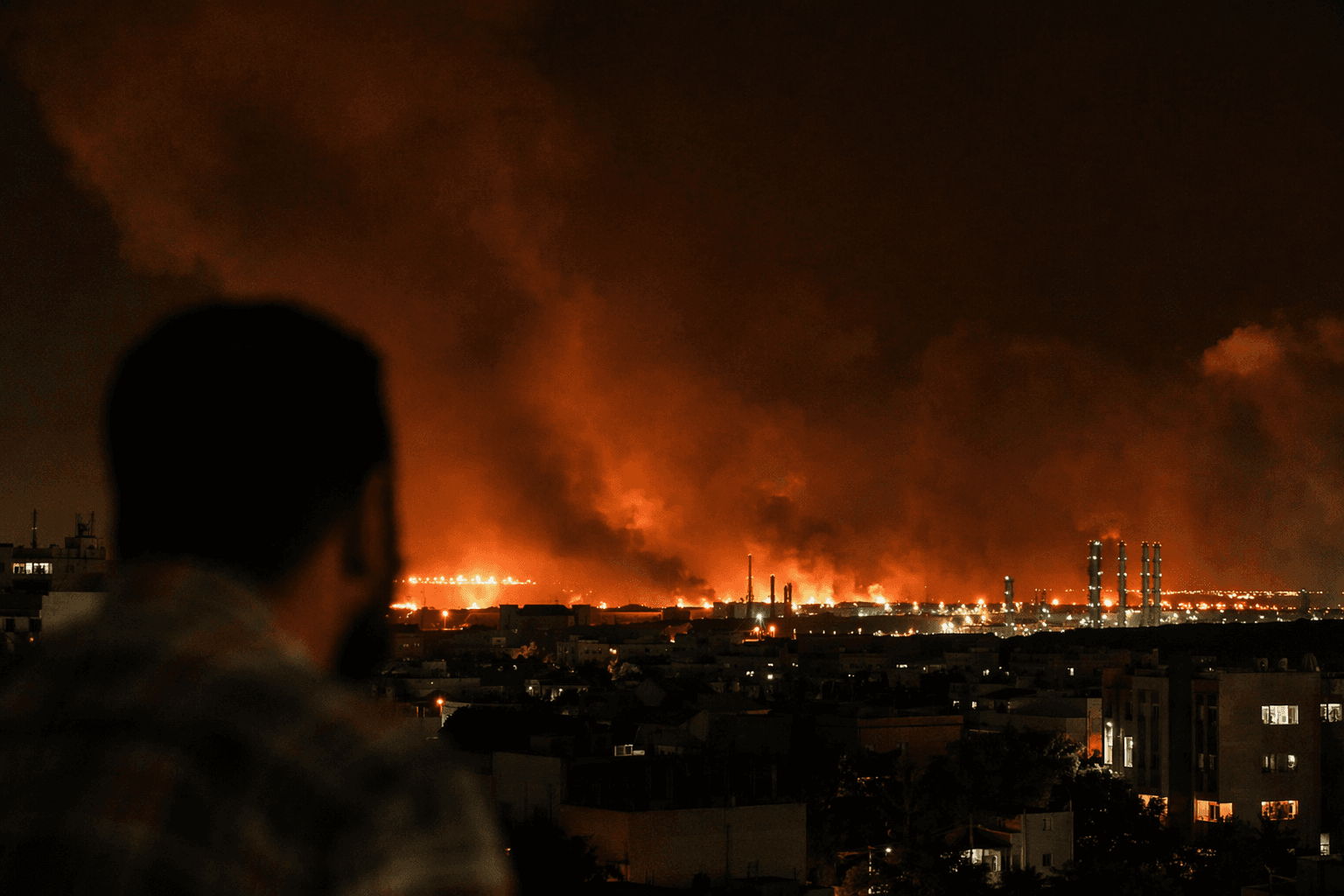
Iranian state media reported explosions in Sirik, Qeshm Island and near Bandar Abbas, with Fars News saying there were 10 blasts in Sirik and four in Mesen on Qeshm Island. Iranian outlets said projectiles hit commercial and fishing piers, and some people were injured by shrapnel at Sirik’s commercial pier. The reports underscored how quickly the fighting has spilled beyond military infrastructure into ports and coastal facilities that sit near vital trade routes.
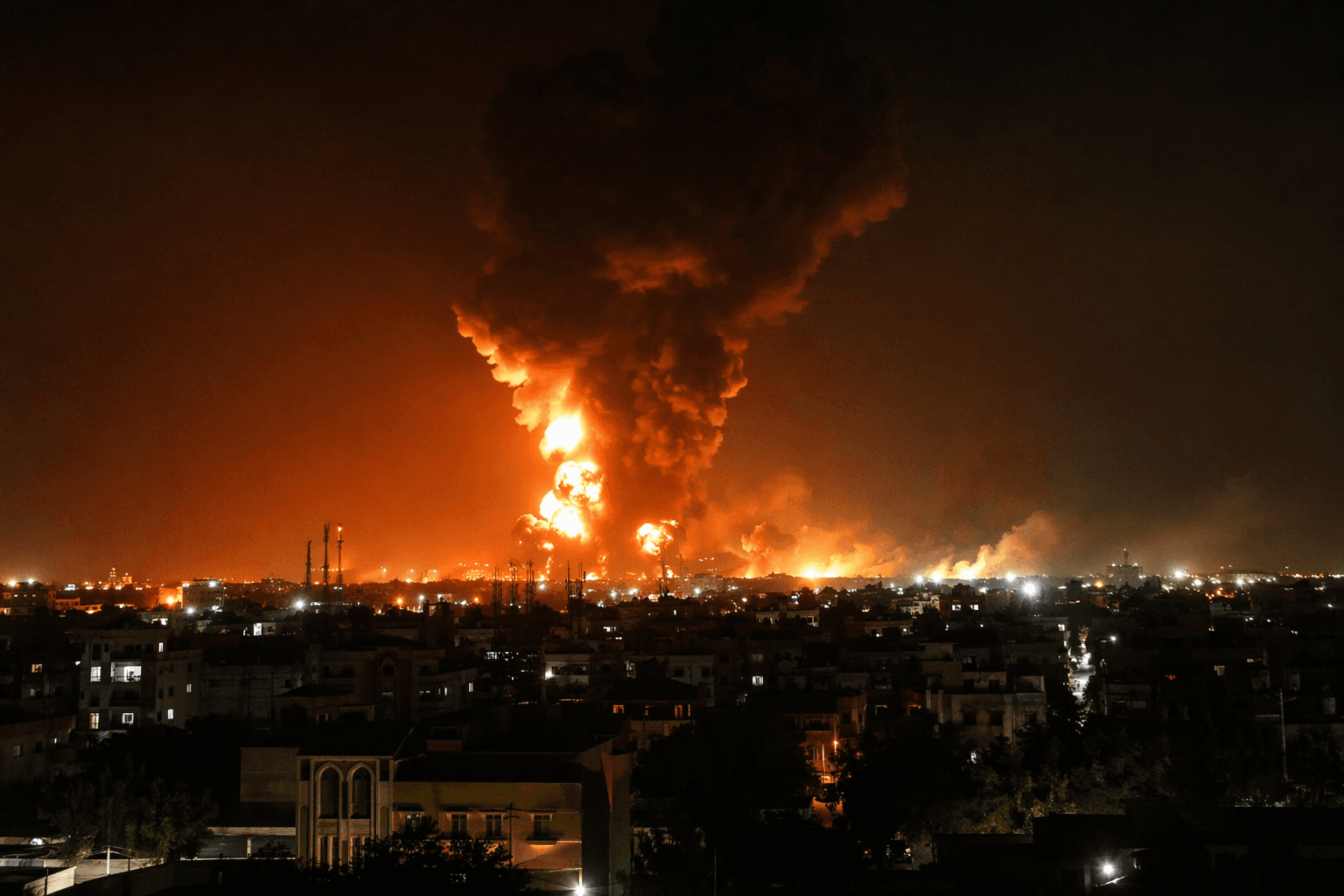
A U.S. official said the strikes targeted Iranian air defense systems, command-and-control networks, coastal radar sites, surface-to-air missiles, anti-ship cruise missiles and drone launch sites. CENTCOM said the operation used precision munitions and was a response to attacks on commercial vessels transiting the Strait of Hormuz, where three tankers were hit by projectiles before the U.S. strike package.
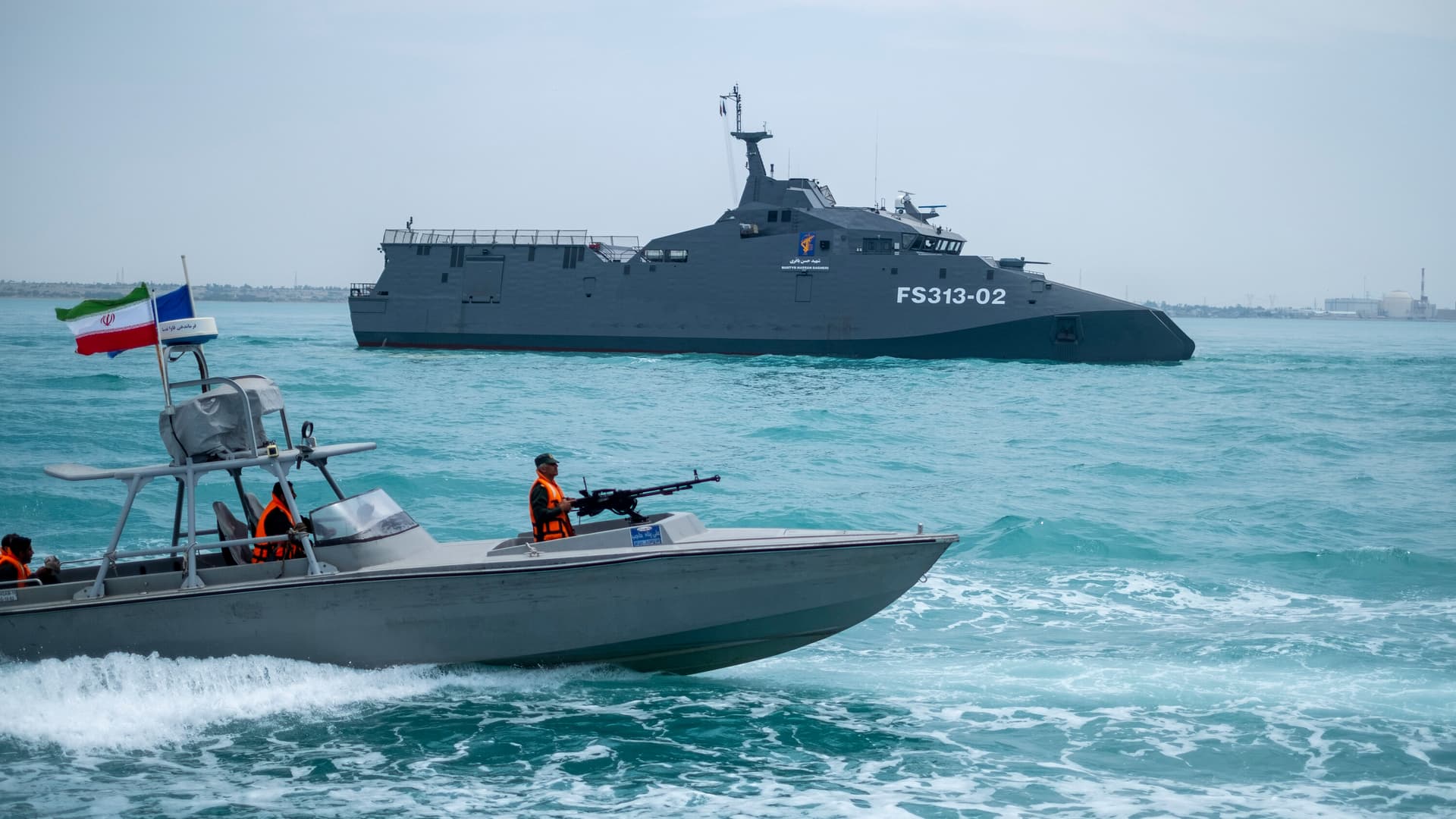
The latest salvo came as Tehran issued a fresh warning that any source of support for the U.S. military could be treated as a legitimate target. The Islamic Revolutionary Guard Corps also claimed it shot down a U.S. MQ-9 drone in southern Iran, a claim that, if true, would mark another direct blow in an increasingly crowded battlespace. Trump’s public vow to attack Iran again and “hit them hard” added to the sense that negotiations had collapsed and that each new strike could invite another.
The confrontation also carried economic consequences. The U.S. Treasury revoked a license allowing Iran to sell oil at the same time as the new strikes, adding financial pressure to military escalation. Any sustained threat to tanker traffic in the Strait of Hormuz could raise freight costs, tighten crude supply and unsettle energy markets far beyond the Gulf.
Alarm spread across the region as sirens were reported in Kuwait and Bahrain, where governments are closely watching for any move that could draw in facilities hosting U.S. forces. The current threshold for a broader war appears clear: another hit on tankers, an attack on U.S. personnel or a strike on major oil infrastructure could turn limited retaliation into a much wider regional conflict.
This article was produced by Prism’s automated news system from verified source data, official records, and press releases, then run through automated quality and moderation checks before publishing. The system is built and supervised by the people who set the standards it runs under. Read our full AI policy.
Did this article answer your question?