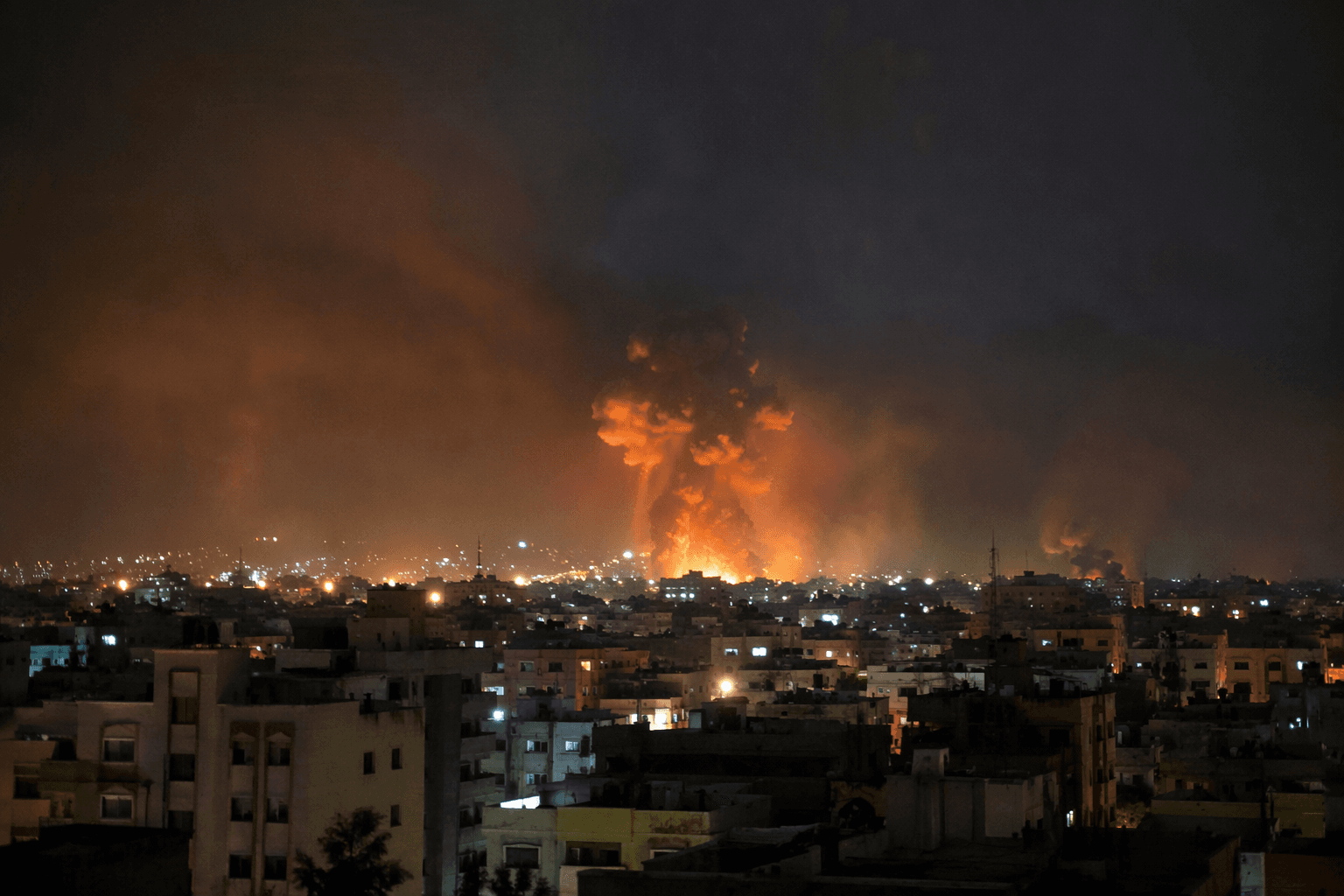
U.S. launches second night of strikes on Iran as talks collapse
The U.S. hit Iran again as talks collapsed, and at least four tankers turned back from the Strait of Hormuz. Bushehr and other southern cities reported explosions and outages.
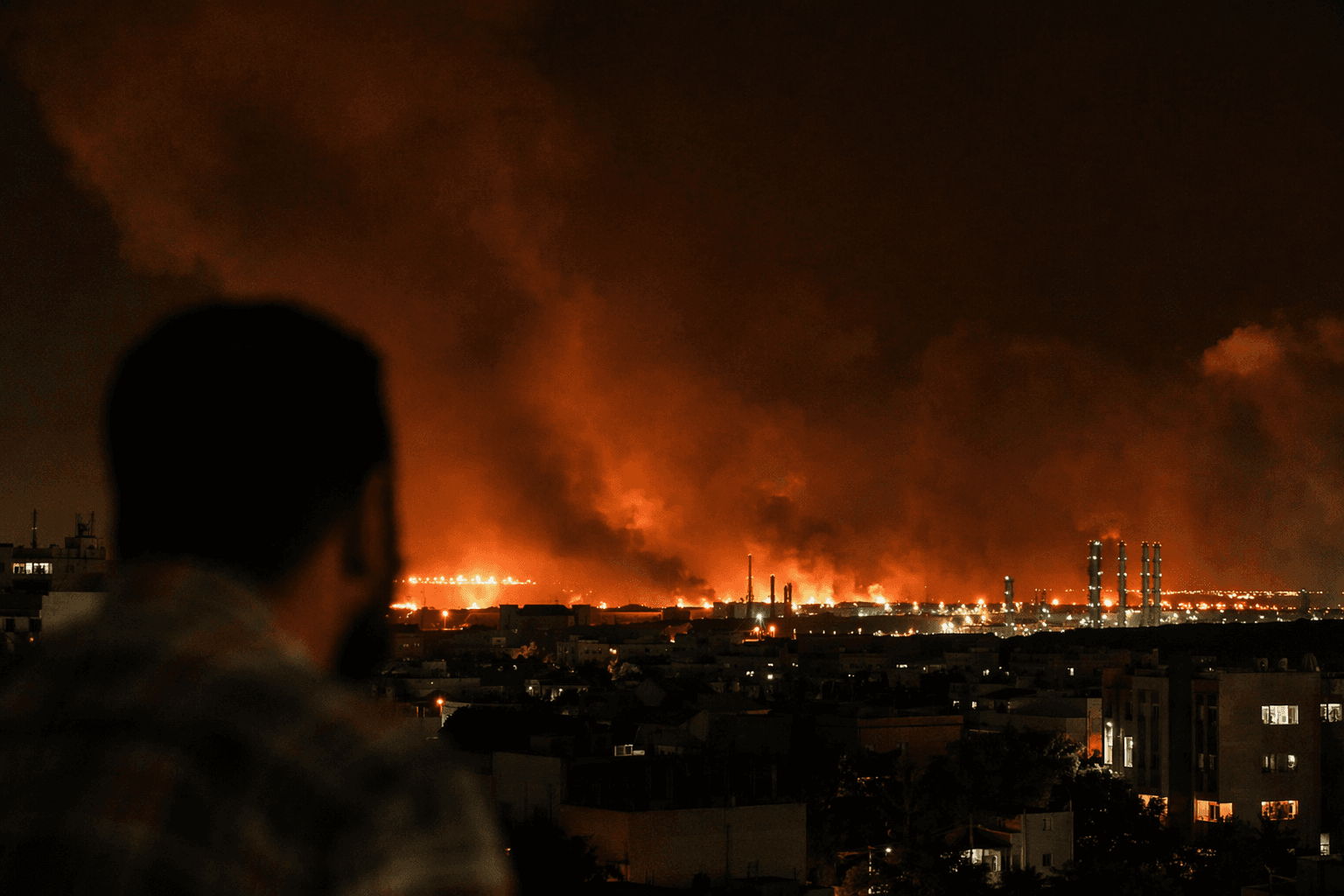
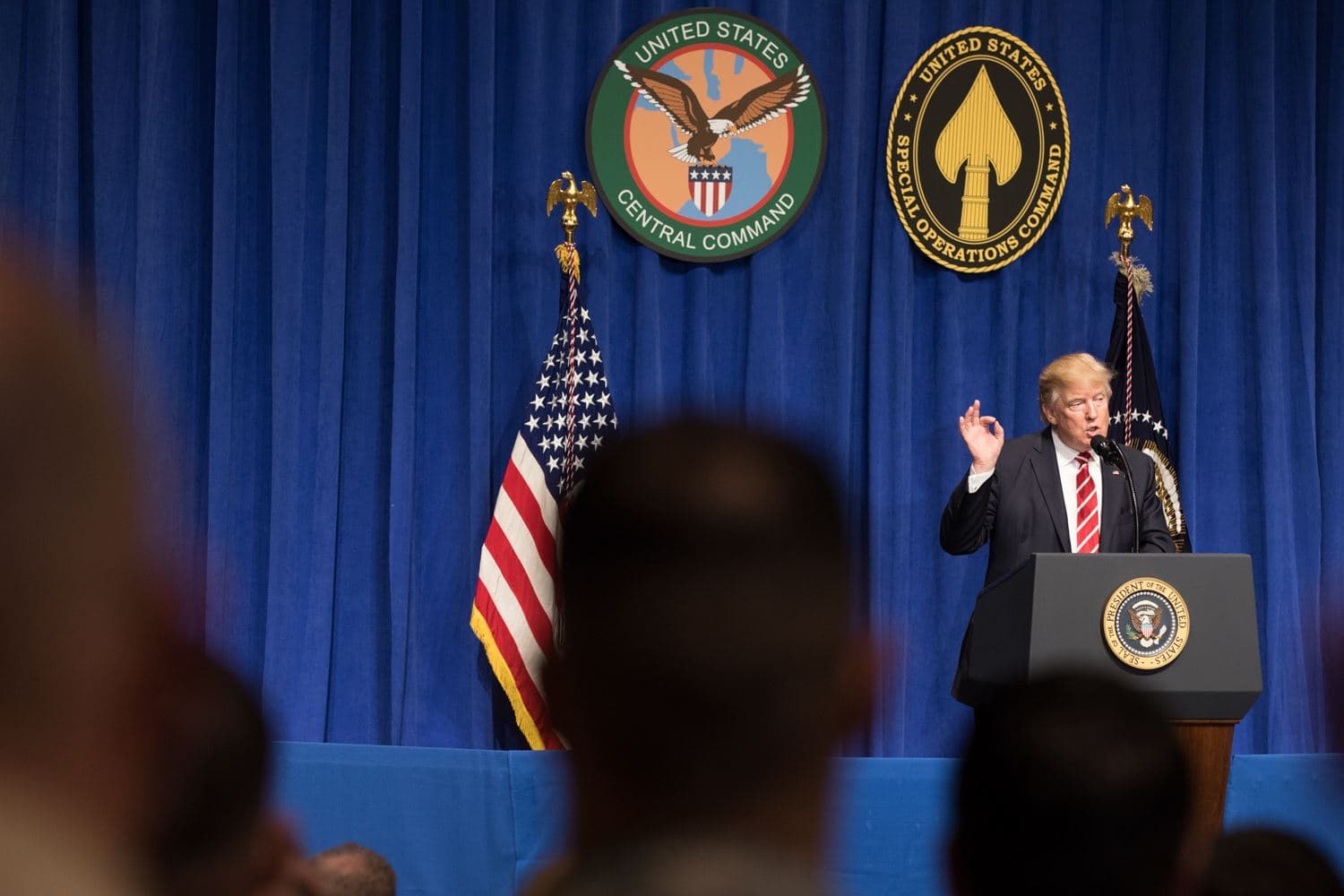
The U.S. military launched another round of strikes against Iran late Wednesday, deepening a second consecutive night of attacks as diplomacy between Washington and Tehran appeared to fall apart. U.S. Central Command said President Donald Trump ordered the strikes to further degrade Iran’s ability to threaten freedom of navigation in the Strait of Hormuz, the narrow passage that carries a large share of the world’s oil traffic.
The new operation followed a day of hardening warnings from Trump, who declared an interim agreement to end the war with Iran “over” and told allies at the NATO summit in Ankara, Turkey, that the United States could strike again and “hit them hard.” A U.S. official said the second-day attacks would be greater in number than the strikes carried out Tuesday, signaling that the campaign was expanding rather than easing.
Washington cast the latest escalation as a response to Iranian attacks on three commercial oil tankers earlier in the week. Iranian state media reported explosions in southern Iran, including around Bushehr, while other reports said blasts rattled cities along the country’s southern coast and left some areas without power. The strikes landed in a region already on edge, with the Strait of Hormuz again emerging as the center of the confrontation.
Ship-tracking data showed at least four oil and gas tankers turned back after the latest vessel attacks, underscoring how quickly the fighting was disrupting commercial traffic through one of the world’s most sensitive chokepoints. The risk to shipping has become a central test of whether either side can contain the crisis or whether the conflict will spread into a broader regional war.
The latest round of strikes also came amid wider tensions across the Gulf, including reported Iranian attacks on U.S. sites in Bahrain and Kuwait after earlier U.S. strikes on Iranian targets. The United Nations and regional mediators have renewed calls for de-escalation, but the second night of attacks suggested those appeals were losing ground as both sides recalculated their next move.
This article was produced by Prism’s automated news system from verified source data, official records, and press releases, then run through automated quality and moderation checks before publishing. The system is built and supervised by the people who set the standards it runs under. Read our full AI policy.
Did this article answer your question?