Venezuela reshuffles state finance and petrochemical leadership after quakes
Delcy Rodriguez put Jose David Cabello at Pequiven and Roman Maniglia at Seniat as quake deaths climbed to 2,645, tightening control over cash flows.
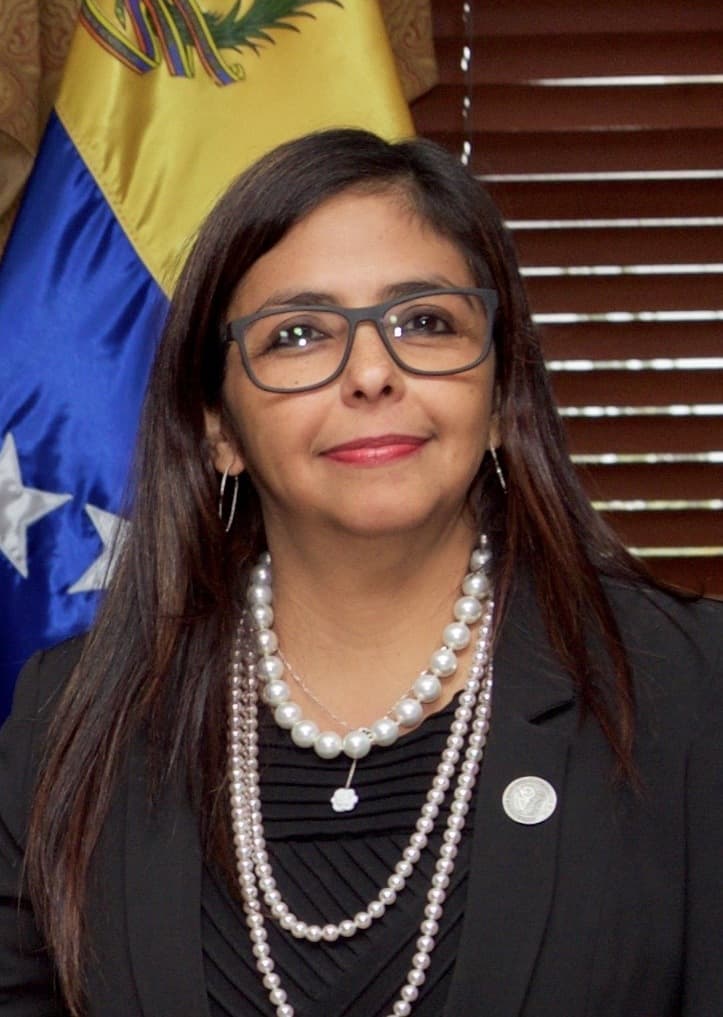
Delcy Rodriguez on July 7 named Jose David Cabello to run Pequiven, Roman Maniglia to head Seniat and Calixto Ortega Sanchez to lead the state-run Bank of Venezuela. The reshuffle put three of the state’s key cash and industrial posts in the hands of trusted insiders as Venezuela tried to manage the aftermath of June’s twin earthquakes. By July 3, the reported death toll had reached 2,645, and Rodriguez had been accusing opponents of trying to destabilize the country during the emergency.
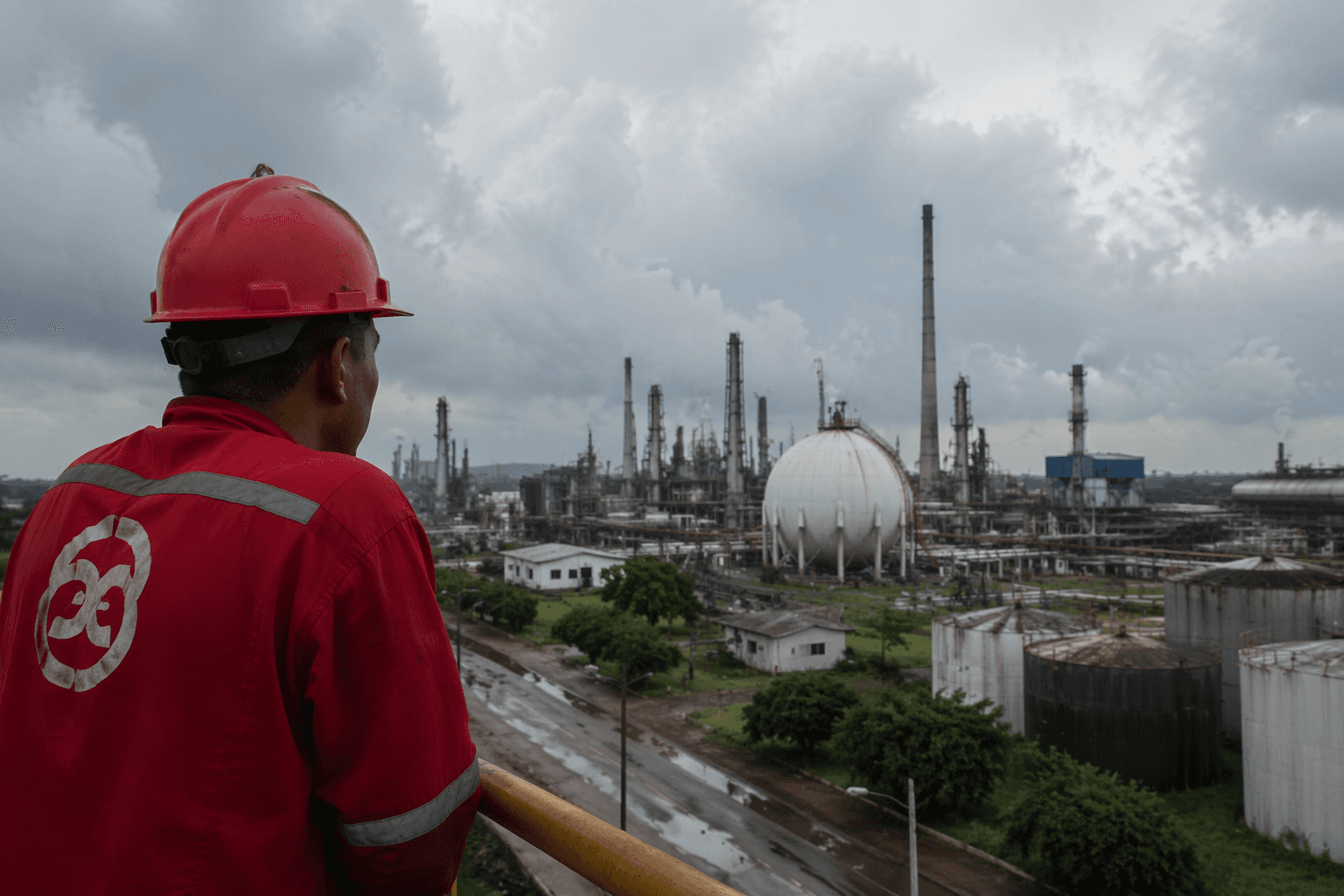
Cabello’s move carried unusual weight because he had led SENIAT since 2008, giving him an 18-year tenure at the tax authority before being shifted to the petrochemical company. That change matters beyond personnel: Pequiven remains a strategic asset in Venezuela’s petrochemical industry, and control over it reaches into fertilizer supply, export revenue and the wider industrial base that still depends on state direction after years of sanctions, underinvestment and political turmoil.
Maniglia’s return to the tax side of the system put a financial operator back at the center of revenue collection. Rodriguez told him his task would include digitalizing Venezuela’s tax system, a sign that the government is looking not just for more collections but for tighter administrative control over how money enters the state. Recent government-linked figures had already presented SENIAT as a major source of cash, with first-quarter collections of more than 1.437 trillion bolivars, including 723.6 billion bolivars in March and 256.99 billion in January.
The appointments also sharpened the political map around Rodriguez and the Cabello family. Jose David Cabello is the brother of interior minister Diosdado Cabello, placing a close ally at the head of a company tied to industrial policy while another trusted figure takes over the tax agency that helps fund the government’s response to crisis.
Ortega Sanchez’s arrival at the Bank of Venezuela completed a wider rotation through the state’s financial apparatus. Maniglia had already been placed in charge of the bank earlier in 2026 and was presented as someone who could help attract investment, but Rodriguez’s latest moves suggest the priority has shifted toward locking down the state’s shrinking sources of cash and keeping economic authority inside a narrow circle during a period of disaster and fiscal strain.
This article was produced by Prism’s automated news system from verified source data, official records, and press releases, then run through automated quality and moderation checks before publishing. The system is built and supervised by the people who set the standards it runs under. Read our full AI policy.
Did this article answer your question?