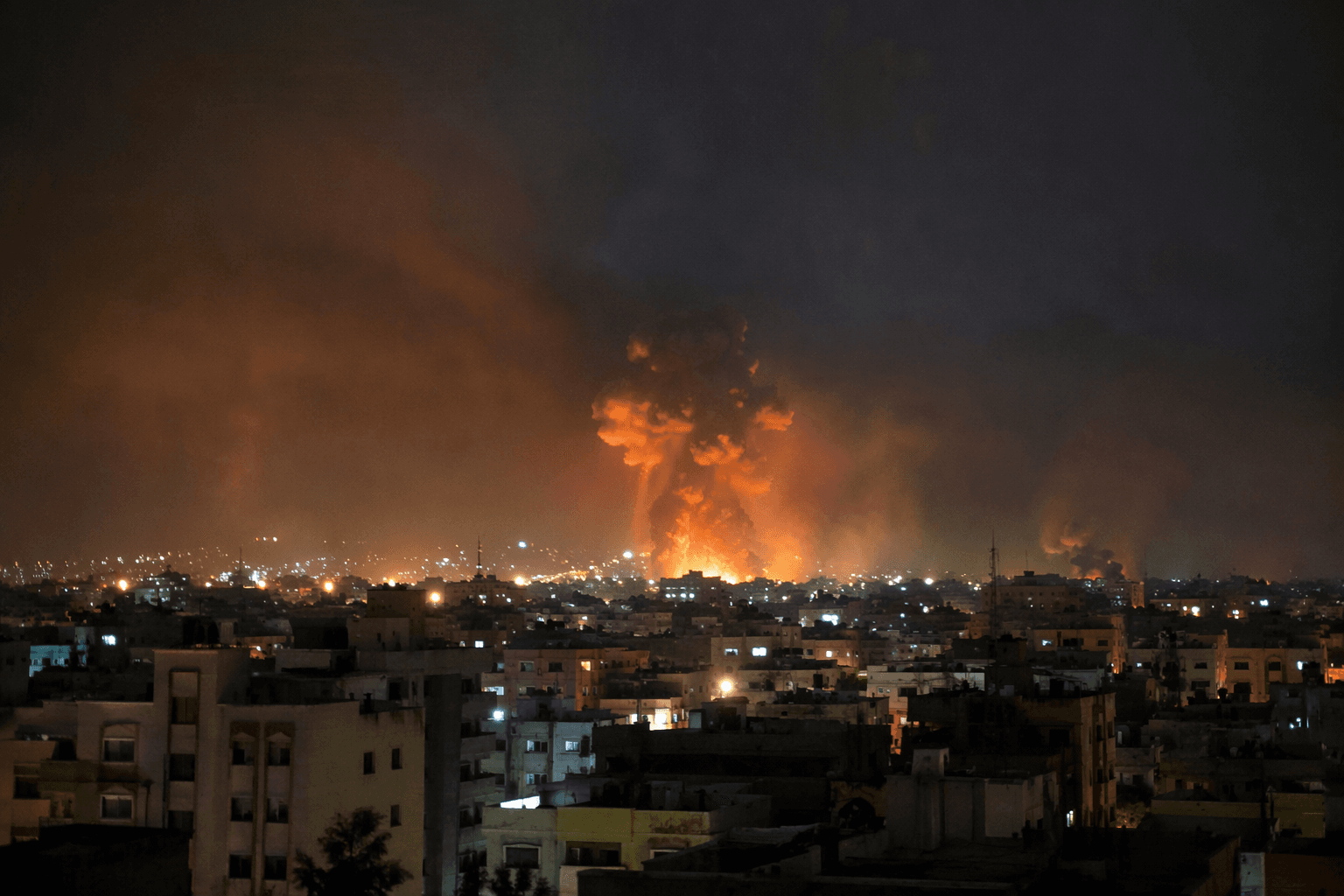
Trump assails NATO allies over spending, then praises summit unity
Trump blasted Spain and renewed his Greenland push, then ended the NATO summit praising “love” and “a lot of unity” as allies raised defense spending by 11%.
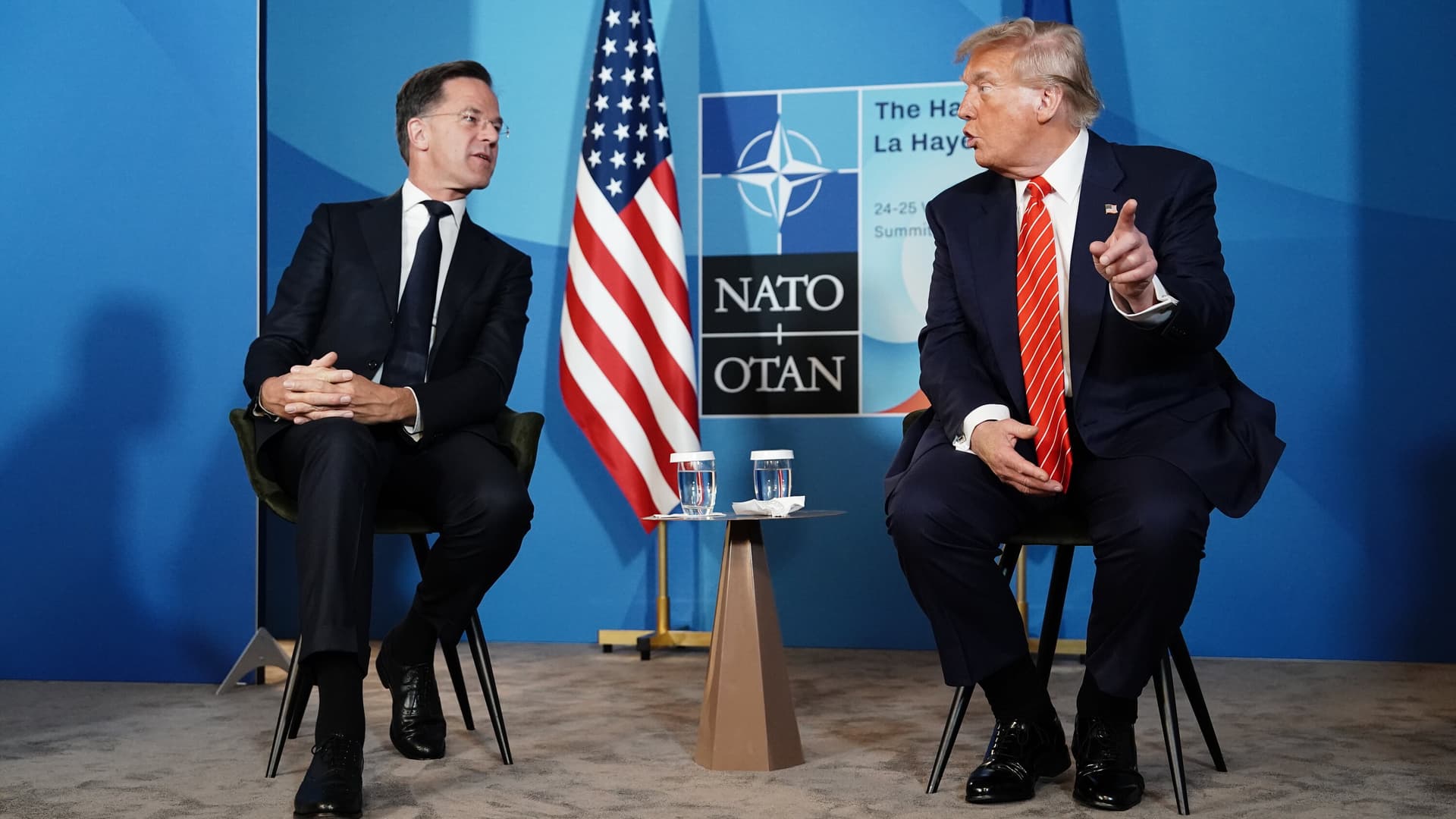
Donald Trump opened the NATO summit in Ankara by blasting Spain as a “terrible partner” and saying he did not want “anything to do” with Madrid over its refusal to commit to NATO’s 5% of GDP defense-spending target by 2035. He also ordered Treasury Secretary Scott Bessent to halt U.S. trade with Spain, sharpening the pressure on allies who had already been bracing for a tense meeting over defense spending, the war in Ukraine, Greenland and Iran.
Trump’s attacks landed at a moment when NATO leaders were trying to project discipline. Spain had not signed on to the new spending target, and Trump used that gap to argue that Europe still depended too heavily on Washington. He also renewed his claims on Greenland and complained that allies had not backed U.S. military action in Iran, widening the dispute beyond budgets into questions of strategic loyalty.
By the end of the summit, Trump’s tone had shifted sharply. He said there had been “love” and “a lot of unity,” and in his closing press conference said the room showed “respect and love,” adding that allies “like the job I’m doing.” That softer language echoed the public effort by NATO leaders to keep the alliance centered on collective defense even as Trump’s remarks threatened to turn the meeting into a test of personal allegiance.
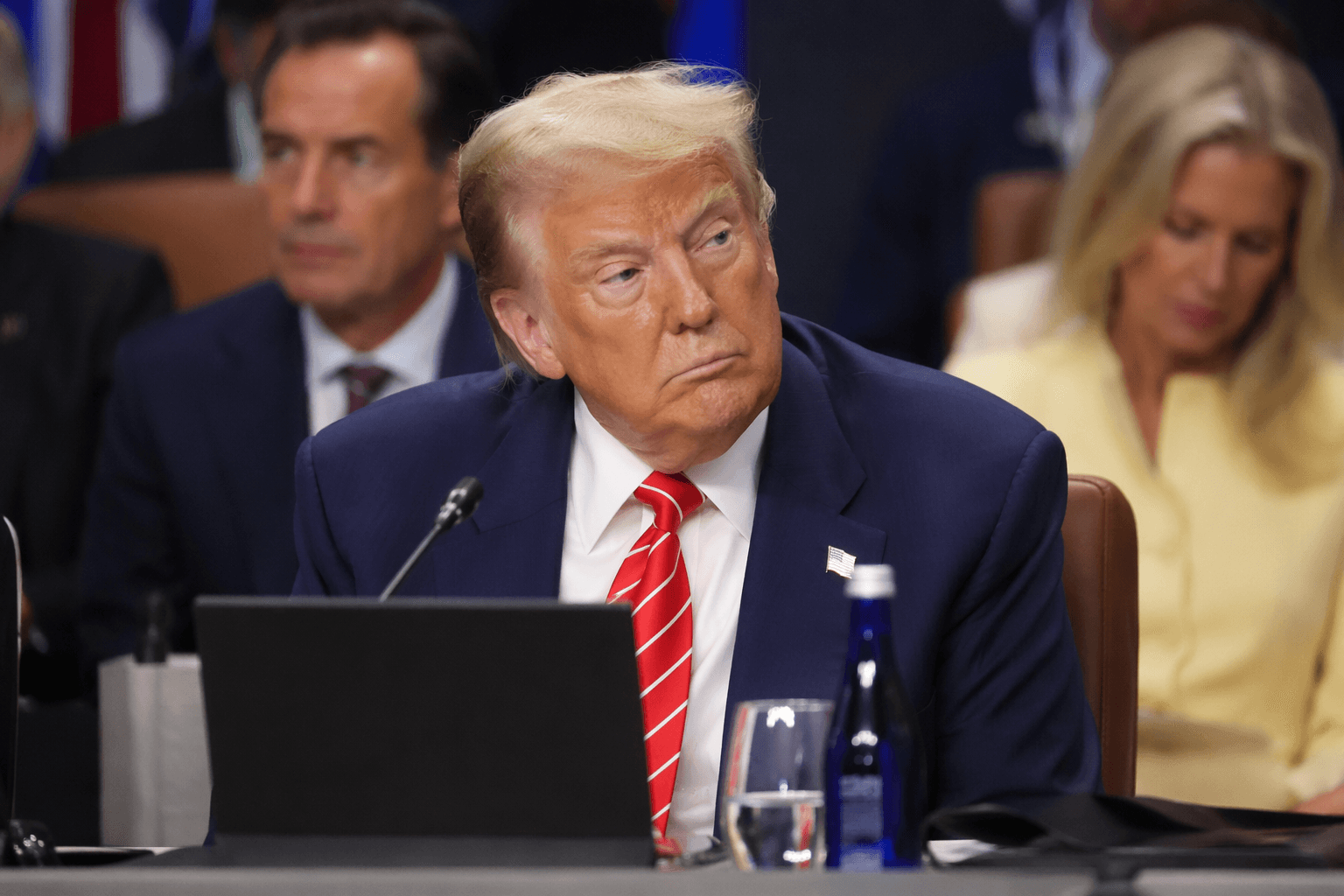
The governing question, though, was whether the rhetoric changed anything durable. The answer, at least in the summit’s immediate aftermath, was limited. NATO members renewed vows to defend one another, and reports said allies increased defense spending by 11% in 2026 and rolled out new arms contracts to show commitment. Those moves signaled that the alliance was responding to Trump’s pressure with more spending and visible cooperation, not with any retreat from the core pledge that binds it together.
The summit’s final image was therefore a familiar one: Trump alternating between confrontation and praise while allies tried to absorb the blows and keep the institution intact. In Ankara, the public theater was volatile, but the alliance’s formal machinery still moved forward.
This article was produced by Prism’s automated news system from verified source data, official records, and press releases, then run through automated quality and moderation checks before publishing. The system is built and supervised by the people who set the standards it runs under. Read our full AI policy.
Did this article answer your question?