U.S. strikes Iran after attacks on ships in Strait of Hormuz
U.S. strikes on Iran sent Brent above $80 as Washington said it was protecting shipping after attacks on three vessels in the Strait of Hormuz.
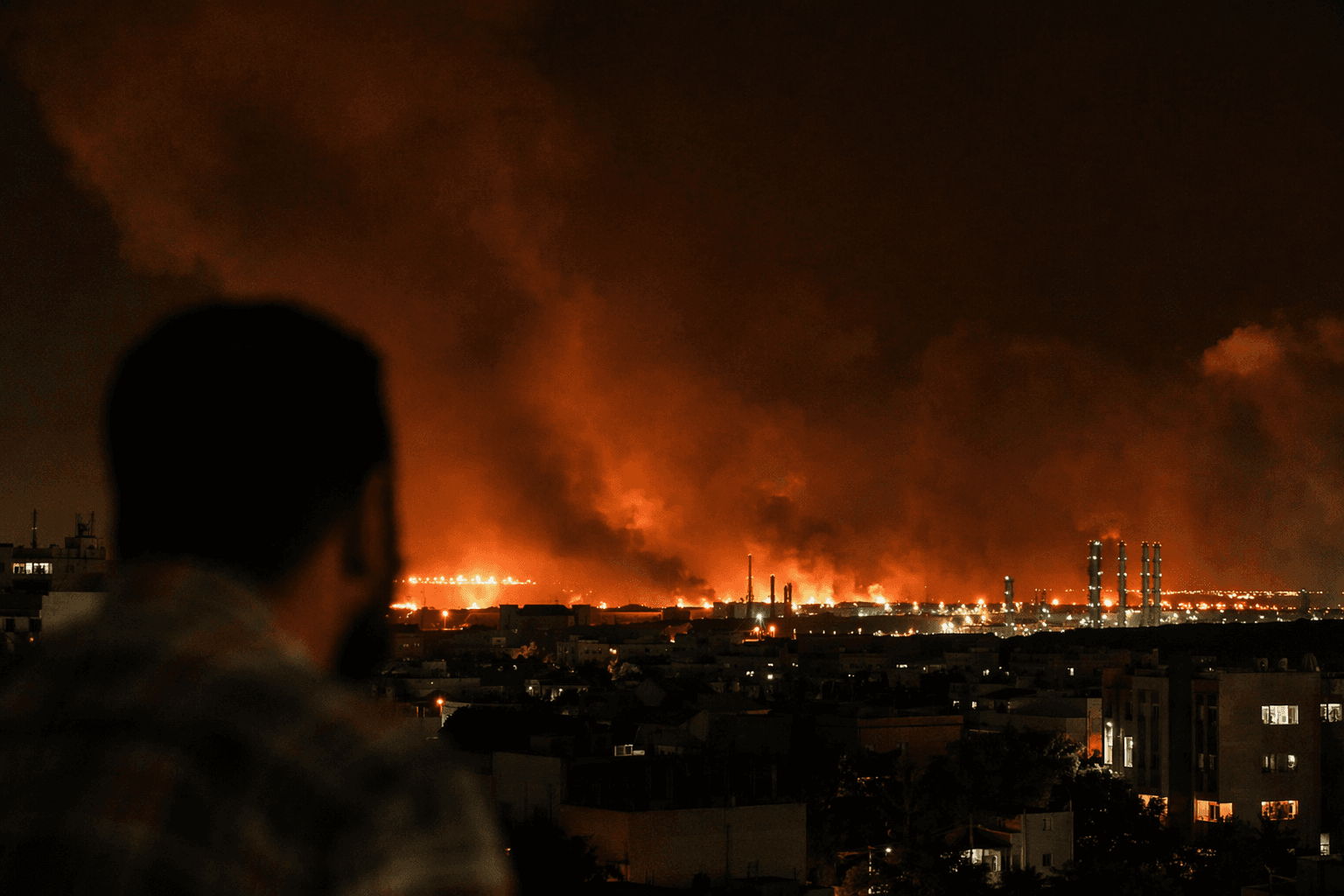
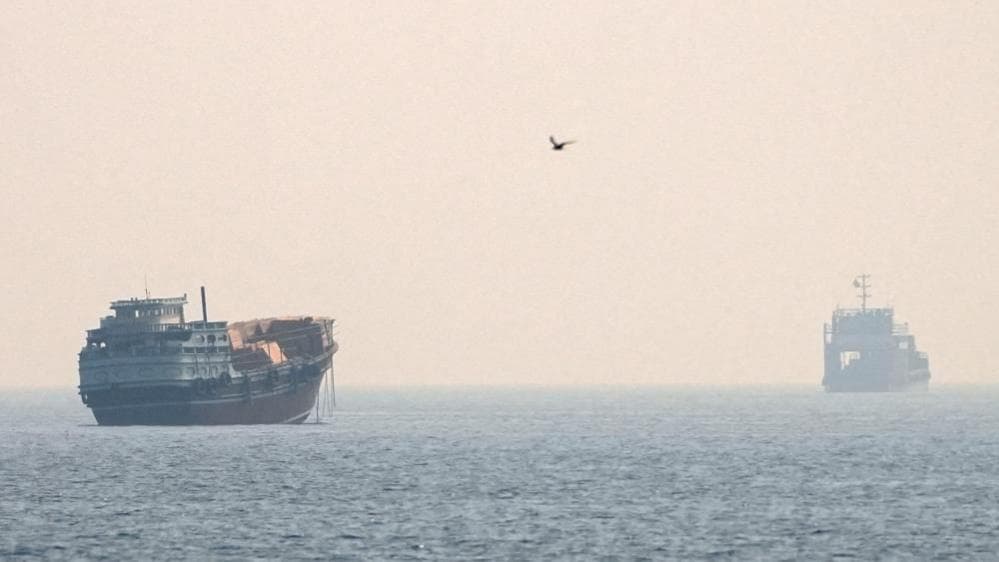
U.S. Central Command said it launched new strikes on Iran after Iranian attacks on three commercial vessels in the Strait of Hormuz, framing the operation as an effort to protect shipping in one of the world’s most sensitive maritime corridors. The escalation immediately rattled oil markets and revived fears that a confrontation over tankers could spread into a wider Middle East conflict.
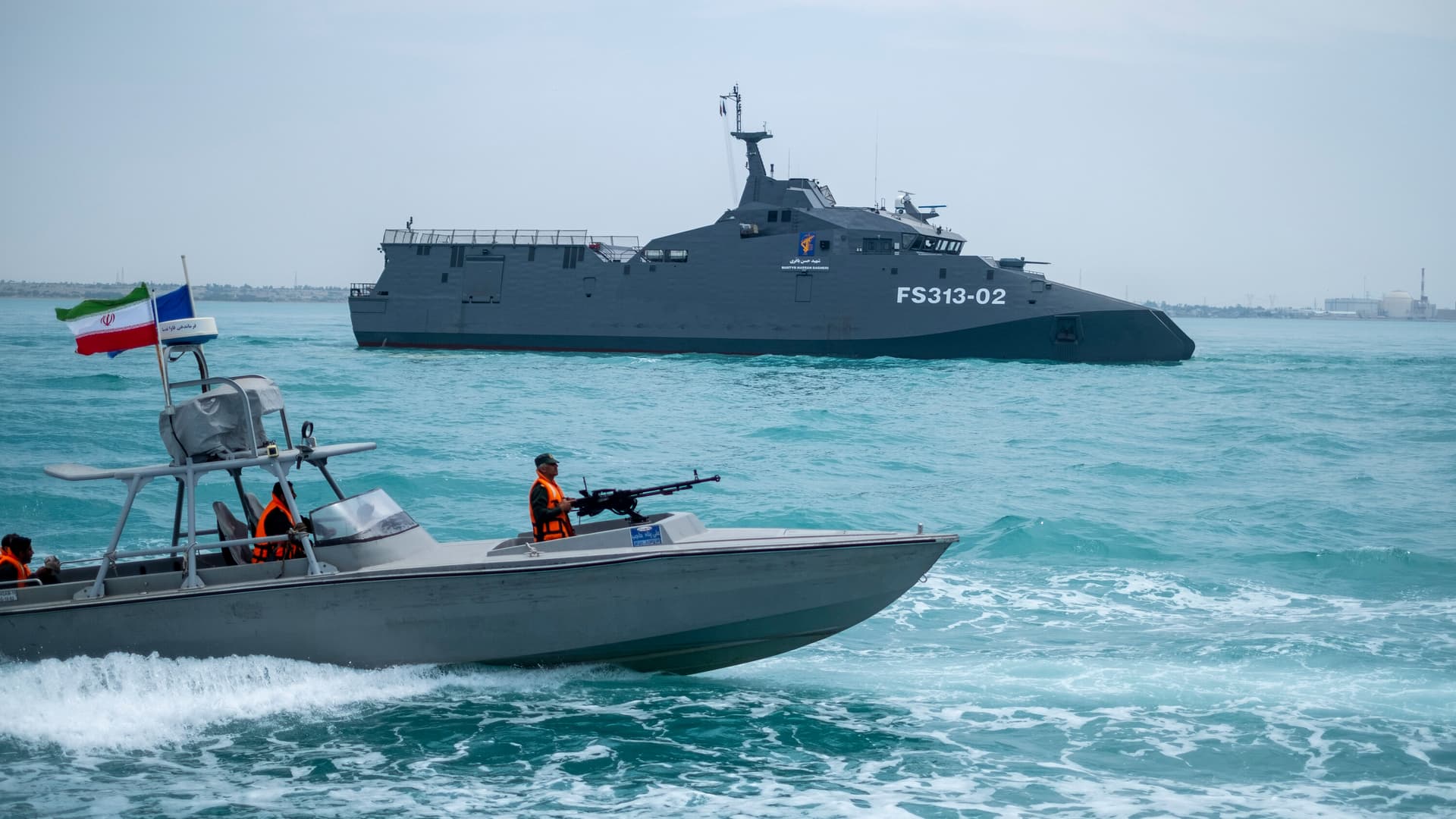
CENTCOM said the strikes targeted Iranian air defense systems, coastal surveillance, surface-to-air missiles, anti-ship cruise missiles, radar sites and drone launch sites. Some reports said more than 80 targets were hit and more than 60 Iranian boats were destroyed or struck, underscoring how quickly a maritime security problem can move from the narrow channel itself to shore-based military assets meant to control it.
The Strait of Hormuz sits at the center of that risk. Any attack on commercial vessels there raises the cost of passage for tankers, from higher insurance premiums to slower routing and tighter security measures, and those costs can be reflected almost immediately in crude prices. Brent crude jumped to above $80 a barrel as traders priced in the chance of more disruption, while global stocks and bond prices fell.
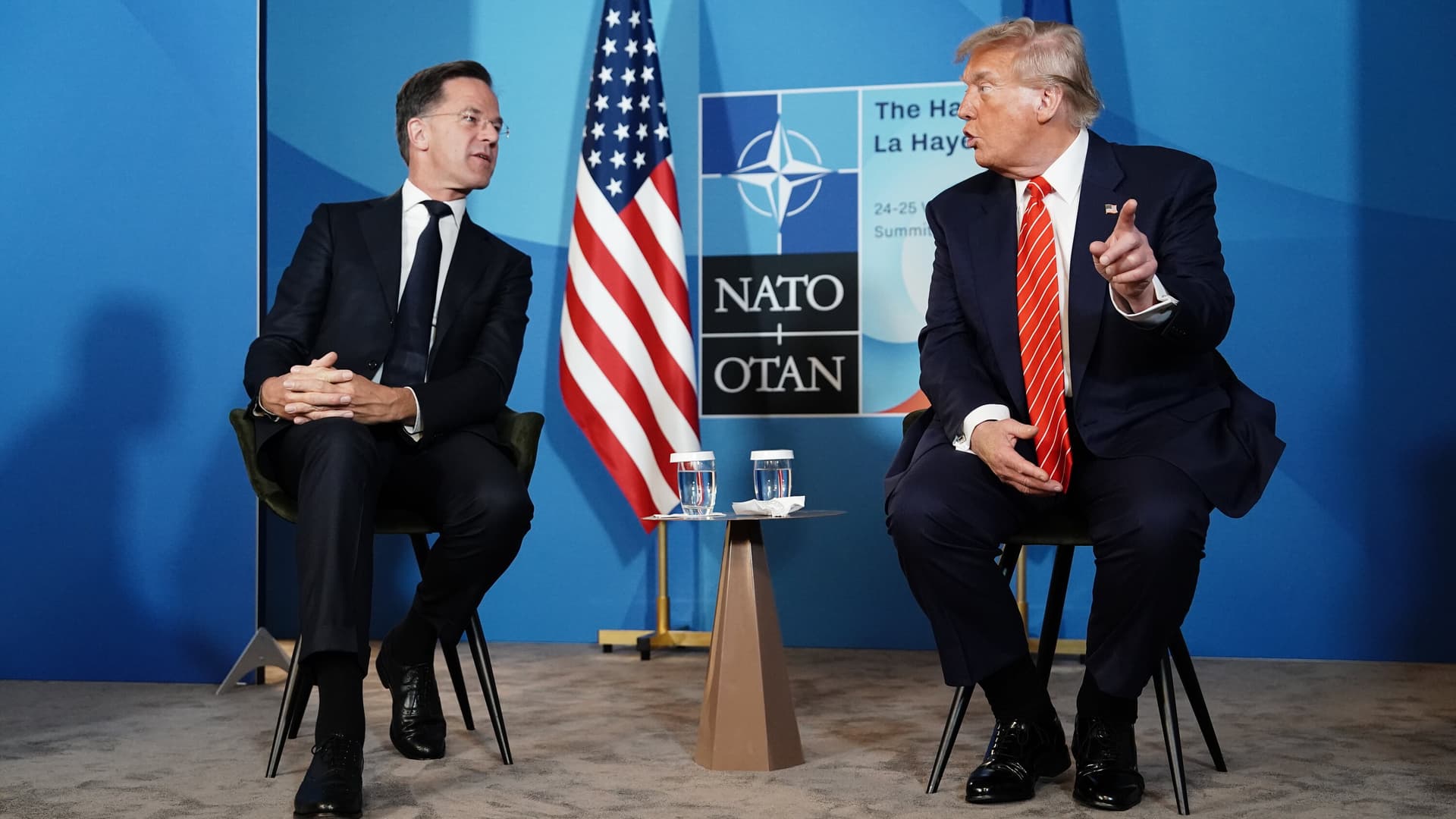
Donald Trump said earlier that the three-week-old cease-fire was “over,” and later told reporters at the NATO summit in Ankara, Turkey, that the interim accord with Iran was “over” and that he had no interest in continuing to deal with Iran. He also suggested the United States could resume a naval blockade or launch more strikes, sharpening the prospect that the conflict could deepen rather than cool.
Iran answered with a warning that Washington would “take whatever measures it deems necessary,” a sign that Tehran was prepared to broaden its response if U.S. pressure continued. The exchange came as commercial shipping through the strait was already under strain, with the United States saying its strikes were retaliation for attacks on three civilian vessels and Kuwait accusing Iran of fresh attacks after the U.S. action.
The immediate market reaction showed how quickly a military strike can become a global economic event. The Strait of Hormuz is not just a regional chokepoint; it is a critical lane for the energy trade, and even the threat of interference can push up tanker risk, insurance costs and fuel prices far beyond the Gulf.
This article was produced by Prism’s automated news system from verified source data, official records, and press releases, then run through automated quality and moderation checks before publishing. The system is built and supervised by the people who set the standards it runs under. Read our full AI policy.
Did this article answer your question?