Trump nominates Kevin Warsh for Fed chair amid Senate and DOJ standoff
President Trump nominated Kevin Warsh to lead the Federal Reserve, touting bipartisan support as a Justice Department inquiry and a Senate blockade threaten confirmation.
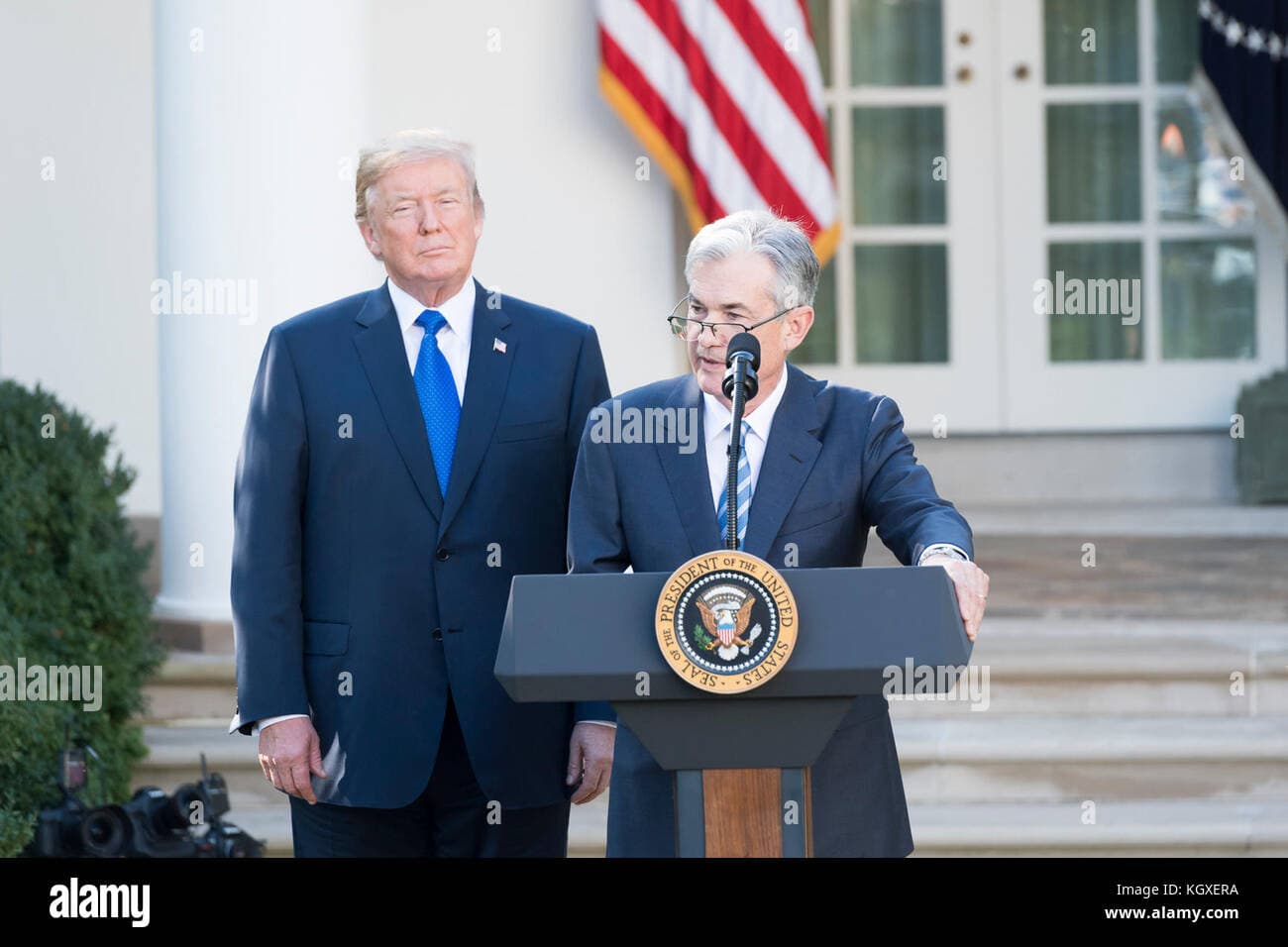
President Donald J. Trump announced Kevin Warsh as his nominee to succeed Jerome Powell as chair of the Federal Reserve, calling Warsh a "high‑quality person" who "should have no trouble winning confirmation," and suggesting he "could attract votes from Democrats in the Senate," according to the original report on the nomination. The selection comes as a Department of Justice criminal inquiry into whether Powell lied to Congress about an expensive Fed headquarters renovation has injected new political rancor into what is normally a technocratic confirmation fight.
The White House release framed Warsh as the youngest-ever Federal Reserve governor who "helped steer the institution through the 2008 financial crisis," noting degrees from Stanford University and Harvard Law School and past roles at Morgan Stanley and as a top economic adviser in the Bush administration. Fox Business reported Warsh is 55 and served on the Fed Board of Governors from 2006 to 2011. CNN said the White House search for Powell's replacement began in September and that Warsh had been under consideration for the role when Mr. Trump nominated Powell in 2017.
Warsh's nomination immediately drew praise from business and policy figures. The White House quoted Rob Nichols, president and CEO of the American Bankers Association, saying in full that "in selecting Warsh, President Trump has chosen an experienced and tested policymaker who previously served at the Fed during one of its most challenging moments." Mohamed A. El-Erian, quoted in the White House release, called Warsh's mix of "deep expertise, broad experience, and sharp communication skills" conducive to both reforming the Fed and protecting its political independence.
Former administration official Gary Cohn offered a more granular assessment on CBS's Face the Nation, saying "I think we're very fortunate to have Kevin to be the nominee" and that Warsh is "very highly qualified" and will "take the Fed back to its traditional" norms. Cohn forecast a policy tilt toward easing, adding "There is a pressure right now for interest rates to go lower. I think that he will probably follow through on the one to two cuts this year," and predicted Warsh would seek to shrink the Fed's enlarged balance sheet, saying "I think that Kevin will reverse that. I think he will be looking for the Fed to sell down their balance sheet."
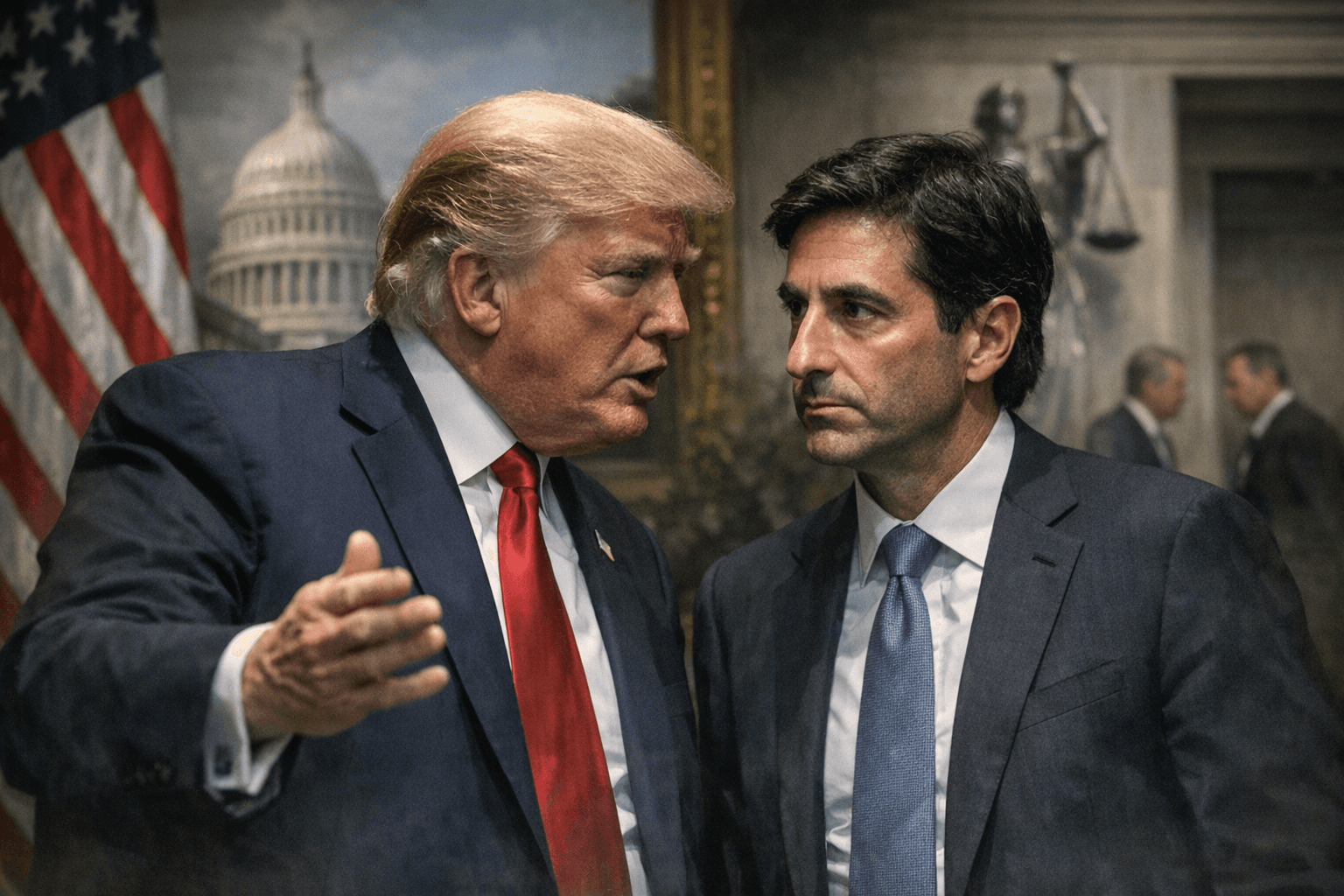
Warsh himself has previously commented on Fed accountability and limits to independence. PBS cited remarks from last summer in which Warsh said "I think the Fed has done a very good job of blaming others for their mistakes" and that while "the independent operations in the conduct of monetary policy is essential," that "doesn't mean the Fed is independent in everything else it does."
Despite the endorsements, the pathway to confirmation is uncertain. Fox Business warned the process "could prove contentious" as the nomination moves through the Senate, and compiled reporting noted that an unnamed GOP senator has vowed to block any Fed nominee until the DOJ drops its inquiry into Powell. CNN reported that Mr. Trump, speaking Saturday at a private Washington dinner, joked he might sue Warsh over lowering interest rates and later called the remarks a "roast" on Air Force One; CNN also documented the president's earlier public criticism of Powell, including pejoratives used in prior months.
The nomination therefore sets up a test of whether bipartisan deference to the Fed's traditionally independent role will withstand an unusually politicized backdrop. Confirmation hearings are likely to focus on Warsh's views on interest-rate policy, the Fed's balance sheet and the institutional independence that Warsh and his supporters say he will defend even as critics warn the selection follows from White House pressure on monetary policy.
This article was produced by Prism’s automated news system from verified source data, official records, and press releases, then run through automated quality and moderation checks before publishing. The system is built and supervised by the people who set the standards it runs under. Read our full AI policy.
Did this article answer your question?

