Zelensky warns Abu Dhabi trilateral talks could face regional delays
Zelensky warns Abu Dhabi follow-up talks could be delayed by other regional tensions. Meetings were called constructive, but control of Donbas remained the primary impasse.

Negotiators from Ukraine, Russia and the United States held technical trilateral talks in Abu Dhabi that officials described as constructive, but the central dispute over control of eastern Ukraine’s Donbas region remained unresolved and new regional tensions could yet delay progress, President Volodymyr Zelensky warned.
The inaugural sessions, held in Abu Dhabi on January 23-24, brought the three sides together under the hosting of UAE President Sheikh Mohammed bin Zayed. Delegations discussed a revised 20-point plan covering territory, economy and security, as well as outstanding elements of a U.S.-proposed peace framework and a menu of confidence-building measures aimed at advancing toward a comprehensive agreement. A UAE government spokesperson said, “The discussions on Friday and Saturday were conducted in a constructive and positive atmosphere and included direct engagement between Russian and Ukrainian representatives on outstanding elements of the U.S.-proposed peace framework, as well as confidence-building measures aimed at supporting progress toward a comprehensive agreement.”
U.S. participation included senior defense officials and envoys. U.S. Army Secretary Dan Driscoll joined as the Pentagon’s representative and Gen. Alexus Grynkewich, the top U.S. commander overseeing forces in Europe, was also present. U.S. Special Envoy Steve Witkoff posted an image from the talks and said the meetings were “very constructive,” adding, “President Trump and his entire team are dedicated to bringing peace to this war. They are talking about the parameters of ending the war.” Ukrainian officials similarly described the sessions as constructive; Mr. Zelensky, after receiving a report from his negotiating team, said the focus was “the possible parameters for ending the war” and that he “appreciates the fact that the U.S. is willing to conduct ‘monitoring and oversight of the process of ending the war and ensuring genuine security.’”
Yet Moscow framed the dispute around territorial terms it views as nonnegotiable. Kremlin spokesperson Dmitry Peskov said, “It’s no secret. It’s our consistent position, the position of our president, that the territorial issue, which is part of the ‘Anchorage formula,’ is of course of fundamental importance for the Russian side.” Russian deputy foreign minister Sergei Ryabkov said Moscow wants a plan that “fully corresponds to the fundamental understandings” reached between President Vladimir Putin and former U.S. President Donald Trump during their summit in Alaska last year. Peskov also insisted Ukrainian forces must “leave Donbas, must withdraw from there; this is a very important condition.” Ukraine has repeatedly rejected territorial concessions as the basis for peace.
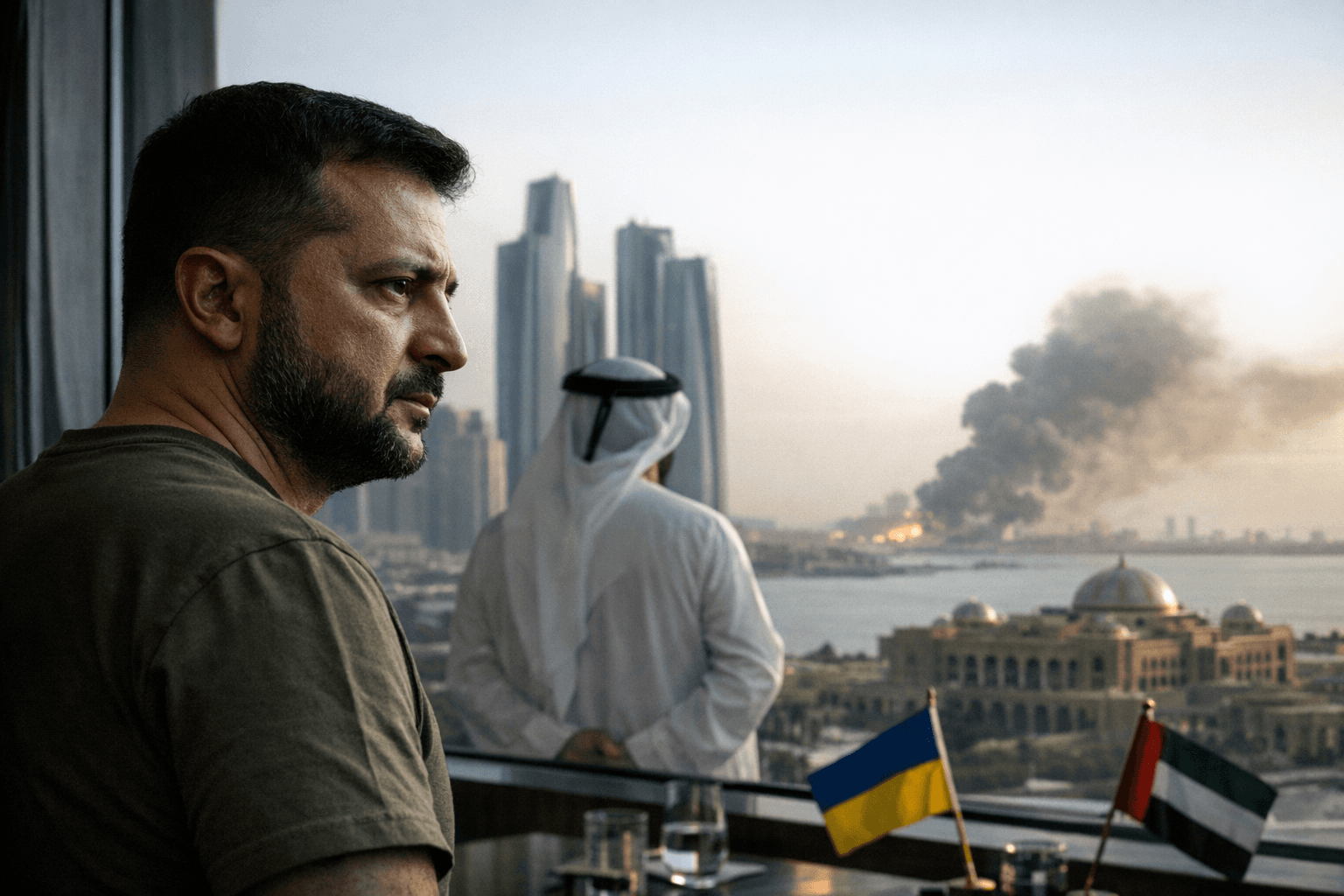
The talks took place against a grim security backdrop: between rounds Russia continued missile and drone strikes on Ukrainian cities, including Kyiv and Kharkiv. Kyiv Mayor Vitali Klitschko reported at least one person killed and four wounded in the strikes, saying falling debris “caused fires and damaged buildings” and left “nearly 6,000 apartment blocks in Kyiv losing heat in the middle of a bitterly cold winter.” Ukraine’s foreign officials accused President Putin of cynically pressing attacks while diplomats met; Andrii Sybiha called the action “cynically” ordered and a “barbaric attack.”
Delegations signaled an appetite to explore practical measures such as monitoring arrangements, and there were reports that demilitarized zones and international peacekeeping were discussed as possible mechanisms for stabilizing contested areas. Teams signaled readiness to meet again soon; Moscow’s officials announced a second round set to open on February 1, while U.S. and Ukrainian delegates spoke of follow-up sessions “next week” or “potentially as early as next week.” Mr. Zelensky, however, cautioned that other regional tensions could delay or affect those plans, underscoring that any durable progress remains contingent on both diplomatic momentum and the on-the-ground security situation.
This article was produced by Prism’s automated news system from verified source data, official records, and press releases, then run through automated quality and moderation checks before publishing. The system is built and supervised by the people who set the standards it runs under. Read our full AI policy.
Did this article answer your question?

