Trump orders 5,000 U.S. troops withdrawn from Germany amid tensions
Washington cut 5,000 troops from Germany, but Stuttgart, Ramstein and other hubs stay in place, signaling a strategic reset, not a full retreat.
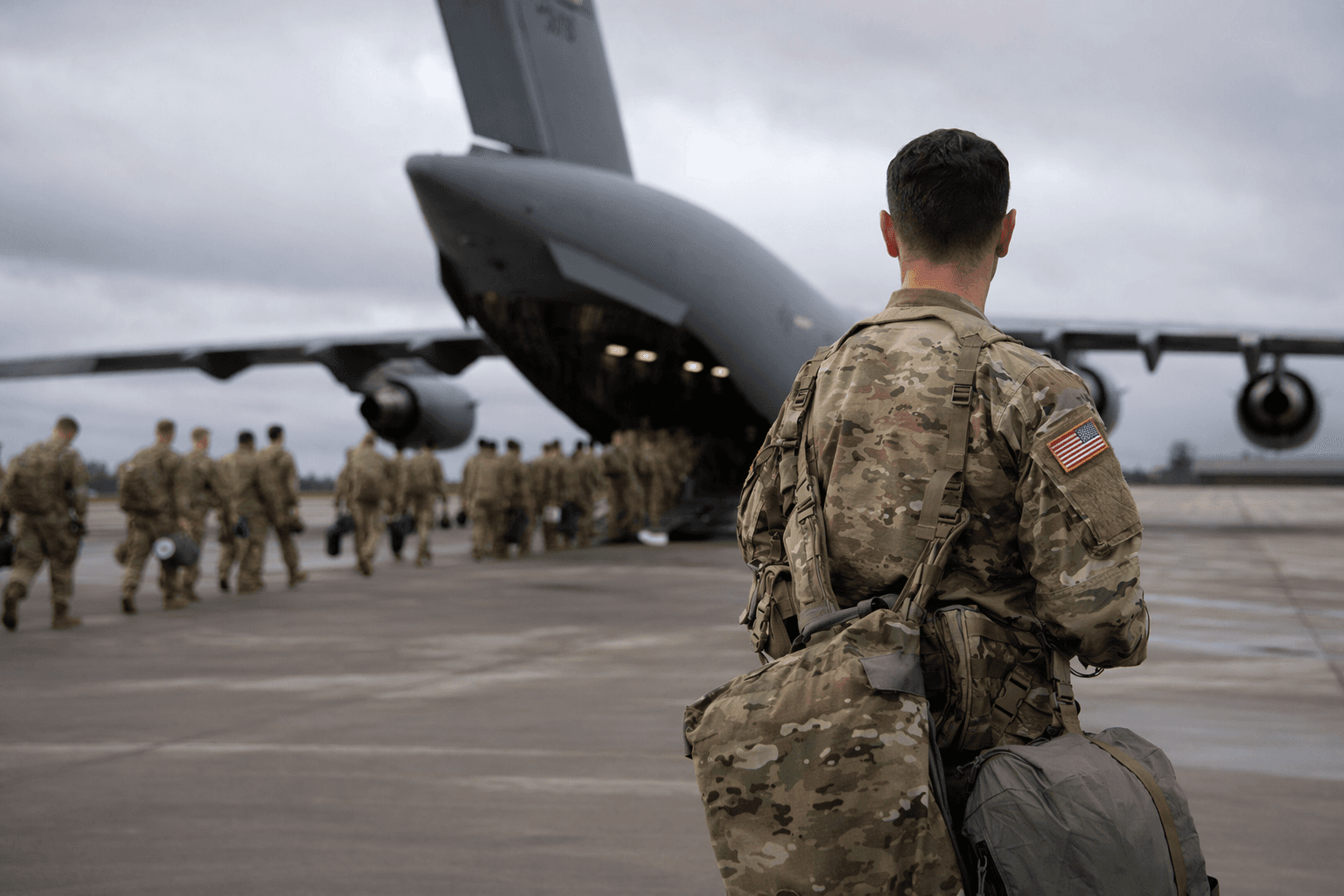
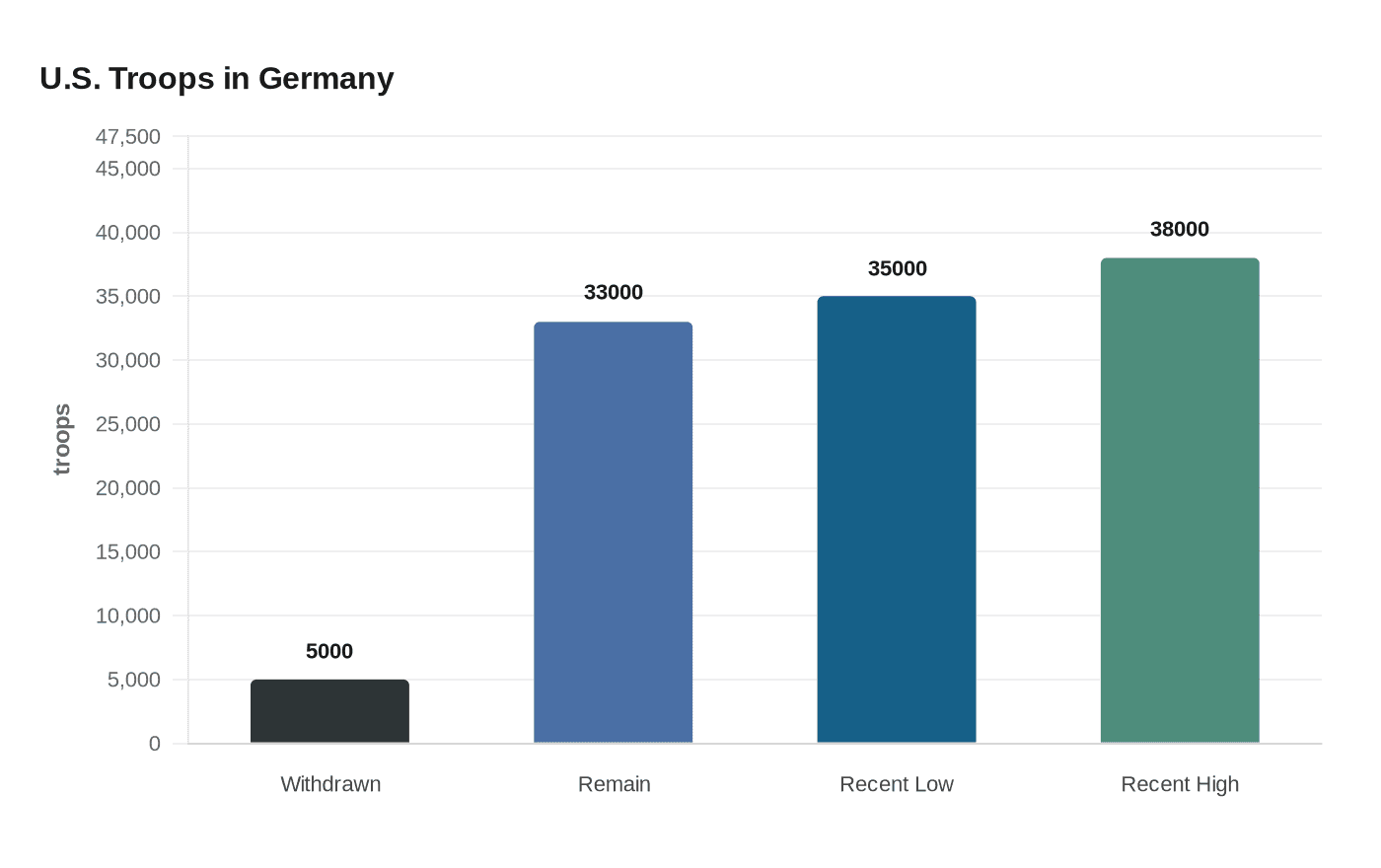
Trump’s order to pull 5,000 U.S. troops from Germany marked more than a personnel shift. It trimmed about 14% of the American force there, but left intact the command centers and logistics hubs that make Germany the linchpin of U.S. operations in Europe and beyond.
The Pentagon said the withdrawal would unfold over six to 12 months, leaving about 33,000 U.S. troops in Germany. Even after the cut, Stuttgart will still host U.S. European Command and U.S. Africa Command, while Ramstein Air Base, Landstuhl Regional Medical Center and the Hohenfels-Grafenwöhr training complex remain central to American military reach across Europe, the Middle East and Africa.
Senior Pentagon officials framed the move as part of a force-posture review based on “theater requirements and conditions on the ground.” The decision also fit a broader Trump administration push for Europe to become the continent’s main security provider, a shift that would return U.S. troop levels in Europe to roughly pre-2022 levels, before Russia’s full-scale invasion of Ukraine drove a buildup under President Joe Biden.
The cut reached into a military footprint that has defined U.S.-German security ties since the post-World War II occupation and the Cold War, when hundreds of thousands of American troops were stationed in West Germany to deter the Soviet Union. More recently, Germany hosted roughly 35,000 to 38,000 active-duty U.S. personnel, including about 13,000 Air Force troops spread mainly between Ramstein and Spangdahlem and five of the seven U.S. Army garrisons in Europe.
The politics around the decision were just as sharp as the strategic implications. The drawdown came after a public clash between Trump and German Chancellor Friedrich Merz over the Iran war, with Merz saying Iran was “humiliating” the United States and Trump replying that Merz “doesn’t know what he’s talking about.” A senior Pentagon official called the German rhetoric “inappropriate and unhelpful.”
German Defense Minister Boris Pistorius said the reduction was foreseeable and should push Europeans to strengthen their own defenses, while NATO said it was seeking details. Pistorius also argued that the U.S. presence remains in both sides’ interests for peace and security in Europe, Ukraine and deterrence. The message from Washington was clear: Germany remains indispensable, but the era of automatic U.S. reinforcement in Europe may be narrowing.
Know something we missed? Have a correction or additional information?
Submit a Tip