Pistorius says US troop drawdown in Germany should push Europe to rearm
The Pentagon’s 5,000-troop cut still leaves Germany with 33,000 to 35,000 U.S. forces, but Berlin sees it as a warning to speed rearmament.

The planned withdrawal of 5,000 U.S. troops from Germany has landed less as a shock than as a signal: Europe’s biggest American military hub is still intact, but its dependence on U.S. protection looks less secure. German Defence Minister Boris Pistorius said the move was “foreseeable” and argued that it should push Europeans to take greater responsibility for their own security.
The Pentagon said on Friday that the drawdown would be completed over the next six to 12 months after a review of the U.S. force posture in Europe. Even after the cut, reports put the remaining American presence in Germany at roughly 33,000 to 35,000 service members, leaving the country as the largest European base for U.S. forces. That scale matters because the U.S. footprint in Germany underpins deterrence, rapid reinforcement and the logistics that move American power toward the Middle East.
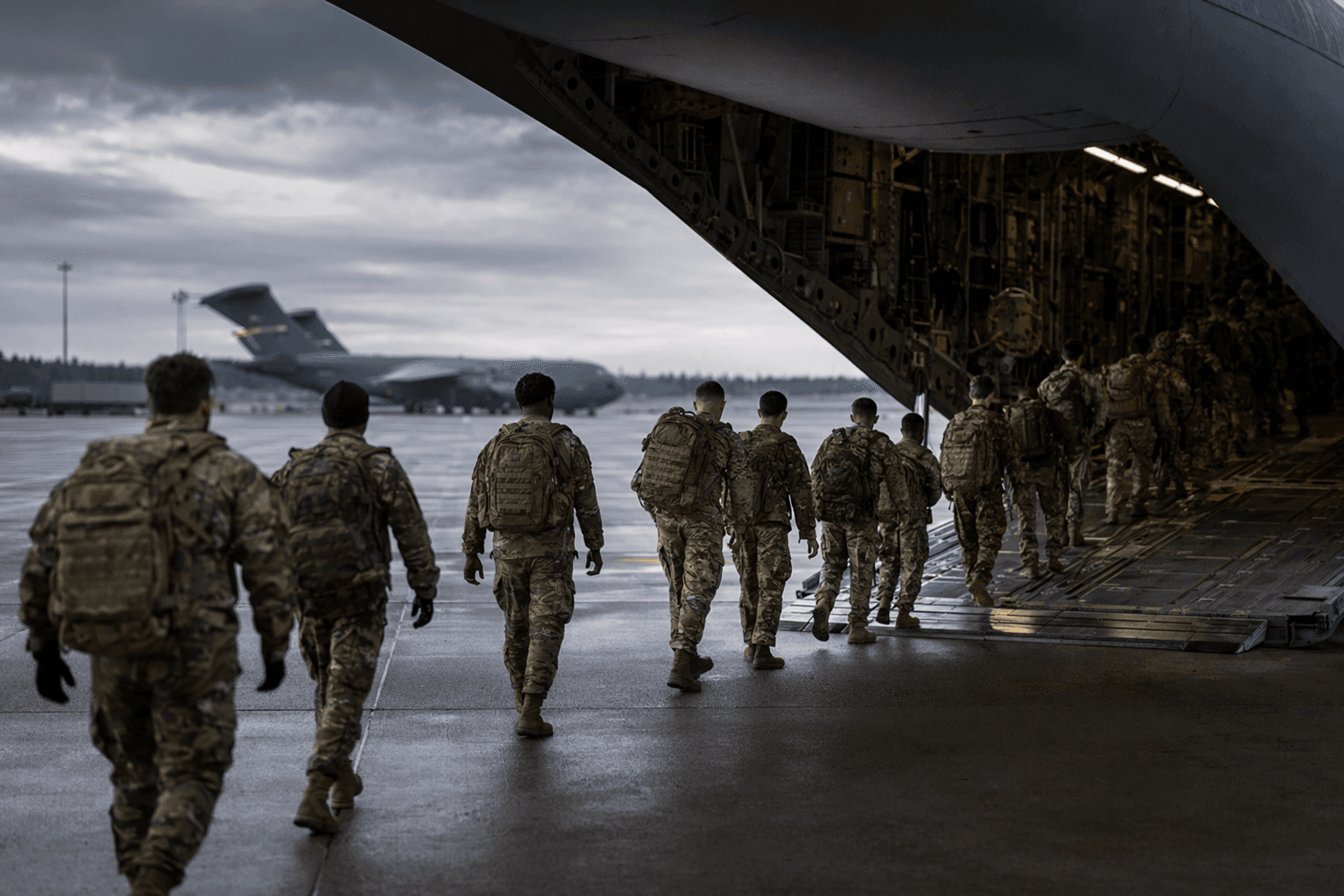
Pistorius did not frame the reduction as a rupture in the alliance. He stressed that the presence of American soldiers in Europe, especially in Germany, remains in both German and U.S. interests. But his broader message was unmistakable: Europe must move faster on its own defenses, and the troop drawdown should be treated as another argument for more spending, more readiness and less reliance on Washington.
NATO said it is assessing the details of the U.S. decision and seeking clarification. The alliance’s caution reflects the practical questions hanging over the announcement, including how the cut will affect command structures, training and deployment schedules. Reuters-linked reporting said the move could affect one brigade combat team in Germany and cancel a planned deployment of a long-range fires battalion later this year, both of which would trim the Army’s posture at a time when deterrence in Europe is already under strain.
The announcement also comes amid wider transatlantic friction, including disputes over tariffs, the war in Iran and fresh tension between Donald Trump and Friedrich Merz. Two top U.S. Republican lawmakers also voiced concern and said the troops should not leave Europe, underscoring that the debate reaches beyond Berlin. For Germany, the question is no longer whether the U.S. presence will endure, but how much political and military weight Europe can assume if Washington keeps shifting its focus elsewhere.
Know something we missed? Have a correction or additional information?
Submit a Tip