Trump orders fresh strikes on Iran after attacks on shipping
U.S. strikes hit about 90 Iranian targets after shipping attacks, widening the campaign from small boats to coastal defenses along the Strait of Hormuz.
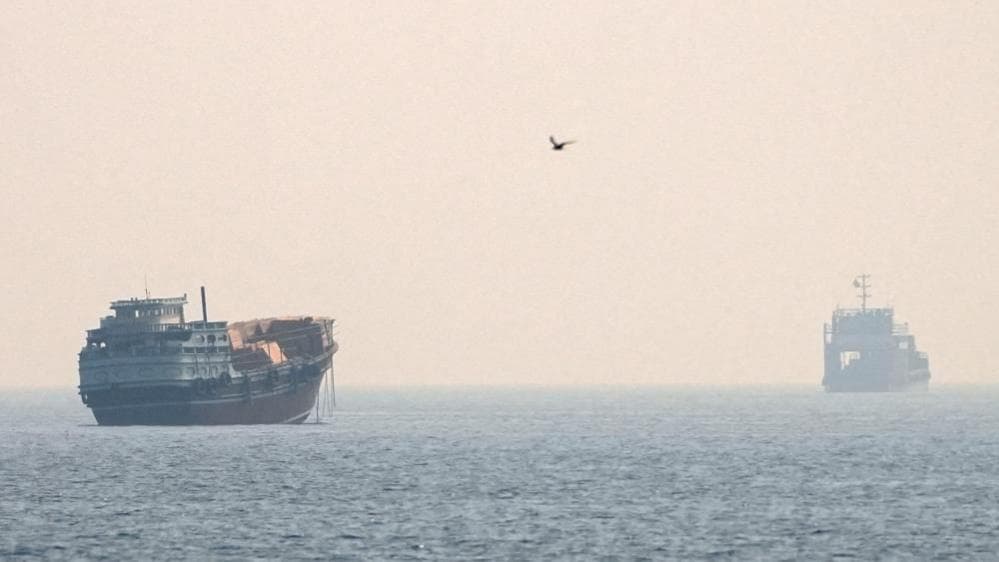
Fresh U.S. strikes hit about 90 Iranian military targets along the country’s coastline, widening the campaign from the previous night’s attack on more than 60 Islamic Revolutionary Guard Corps small boats. Donald Trump called the strikes “retribution for yesterday’s bombing of ships by Iran” and warned that further attacks would “get much worse.”
The latest round differed from the first not just in scale but in purpose. U.S. Central Command said the July 8 strikes were meant to further degrade Iran’s ability to attack commercial shipping and innocent civilian mariners in the Strait of Hormuz. The targets were broader than the previous night’s focus on fast boats: air defense systems, coastal surveillance assets, missile and drone storage sites, naval capabilities and military logistics infrastructure all came under fire along Iran’s coastline. The earlier strikes, by contrast, hit about 80 targets in response to Iranian attacks on three commercial vessels transiting the strait.
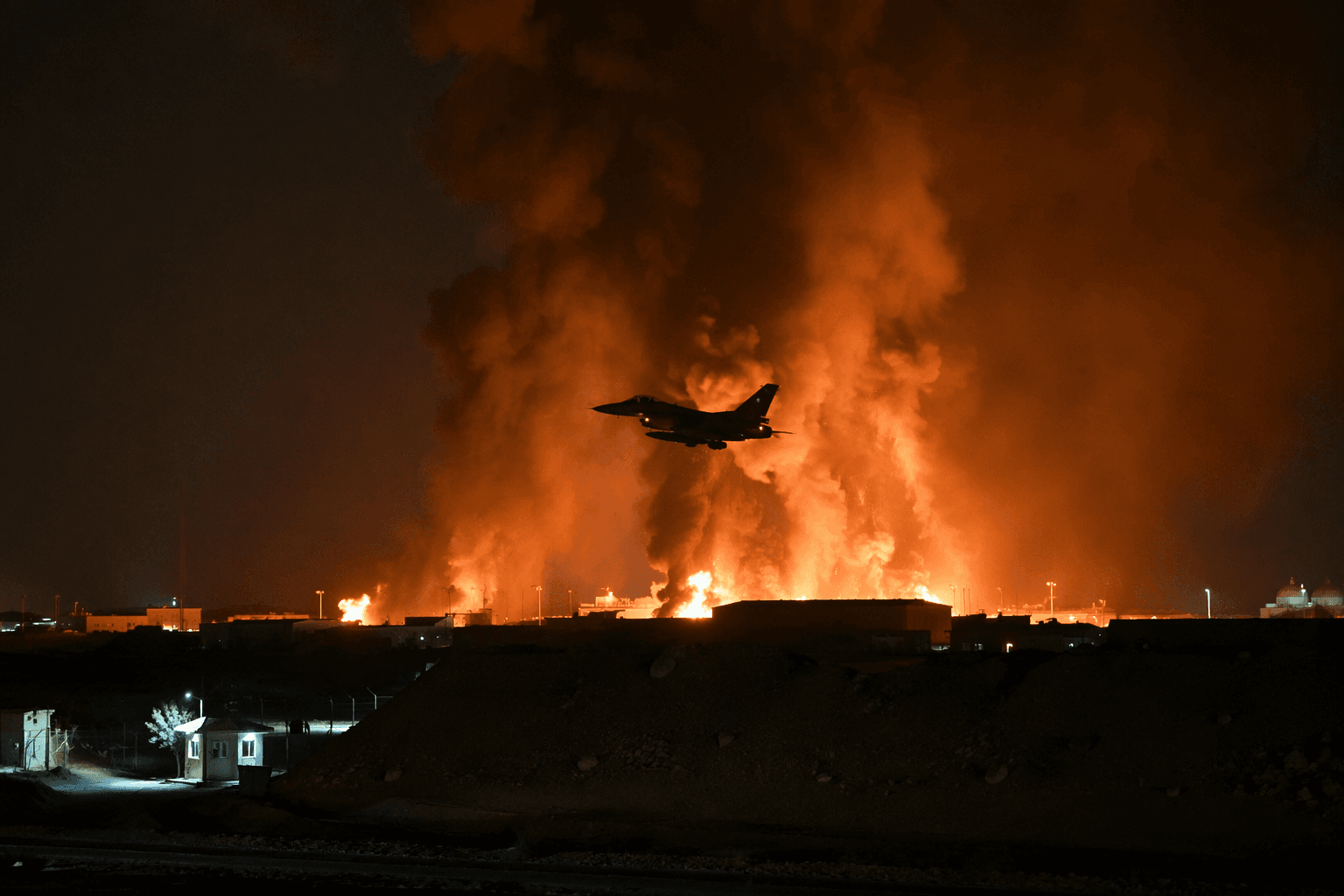
That shift matters because it shows a campaign moving from punishment against a specific maritime threat toward a deeper effort to strip away Iran’s ability to watch, launch and sustain attacks across the waterway. The Strait of Hormuz remains one of the world’s most important oil-shipping chokepoints, and CENTCOM framed both rounds as part of the effort to preserve freedom of navigation there.
Inside Iran, state media reported explosions in Sirik and Bandar Abbas, the two southern port cities on the Strait of Hormuz, and in other coastal areas including Konarak and Chabahar. Iranian state TV said there were eight explosions in Bandar Abbas, while other reports said missiles struck the ports of Sirik and Jask and projectiles hit Abu Musa, the disputed island in the strait. Air defenses were activated in Bandar Abbas, power cuts hit Chabahar and a fire broke out at an IRGC barracks in Bushehr. The extent of the damage was not immediately clear.
The spillover spread across the Gulf. Bahrain reported explosions in its capital, Manama, Kuwait said it intercepted missiles and drones, and Qatar issued a security alert. The IRGC said it had retaliated with strikes on U.S. military bases in Kuwait and Bahrain, calling it the “first phase” of its response. Mohammad Bagher Ghalibaf, who serves as parliamentary speaker and is also described as a chief negotiator with the United States, said America still had not learned that “bullying and breaking promises are no longer cost-free” and warned that the Strait of Hormuz would open only under Iranian arrangements.
The next decision point is whether Tehran stops at retaliatory signaling or keeps broadening the fight. Iran still has the options it already used: hitting shipping again, striking U.S. bases in Kuwait and Bahrain, or trying to pressure traffic through the strait itself. If the exchange turns into repeated attacks on coastal infrastructure, sustained missile alerts across the Gulf and prolonged disruption of tanker movement, the conflict will have moved from punitive strikes into open-ended military engagement.
This article was produced by Prism’s automated news system from verified source data, official records, and press releases, then run through automated quality and moderation checks before publishing. The system is built and supervised by the people who set the standards it runs under. Read our full AI policy.
Did this article answer your question?