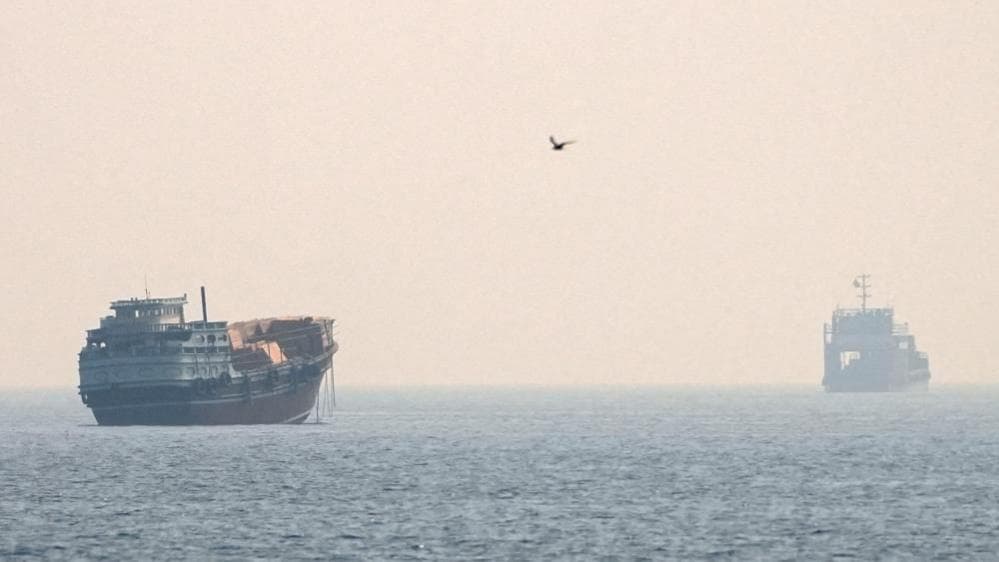
U.S. strikes Iran targets after attacks on tankers in Strait of Hormuz
U.S. strikes hit more than 80 targets in Iran after tankers were attacked in the Strait of Hormuz. Trump said a three-week-old cease-fire was "over."

U.S. Central Command said its forces hit more than 80 targets in Iran on July 7 after attacks on commercial vessels transiting the Strait of Hormuz, the narrow waterway that carries a major share of the world’s oil and LNG traffic. The strikes came as the U.S. framed the mission as protection for shipping in one of the most consequential chokepoints in global trade.
The escalation followed attacks on three commercial tankers in and near the strait, including a Qatari LNG tanker and a Saudi crude tanker. A tanker traveling off the coast of Oman in the Strait of Hormuz caught fire after being struck by a projectile, sharpening fears that the violence could spill into the routes used by energy carriers, container traffic and other civilian ships moving between the Gulf and the open ocean.
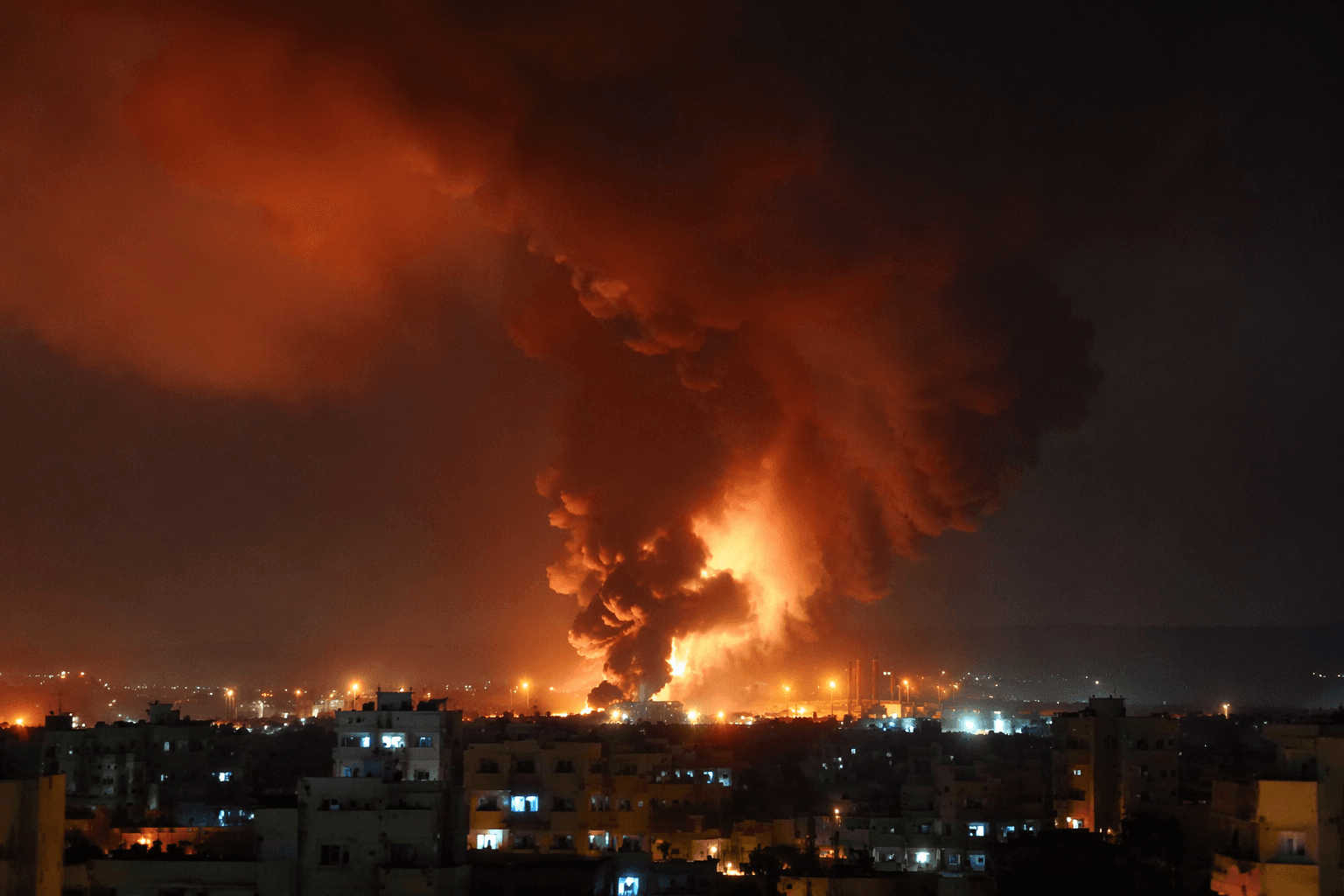
CENTCOM said the offensive strikes used precision munitions and targeted Iranian air defense systems, command-and-control networks, coastal radar sites, anti-ship missile capabilities and more than 60 Islamic Revolutionary Guard Corps small boats. That target set pointed to a direct effort to suppress the weapons and sensors that could threaten naval traffic and expand the conflict at sea.
President Donald Trump said in Ankara on July 8 that he believed the cease-fire with Iran was "over," a stark acknowledgment that the three-week-old arrangement was unraveling. His comments came as he was speaking ahead of a NATO summit, underscoring how quickly the confrontation between Washington and Tehran had become a wider alliance and security issue.
The Treasury Department also revoked a license allowing Iran to sell oil after the shipping attacks, tightening the economic pressure around the confrontation. Oil prices jumped after the renewed fighting, reflecting immediate concern that even short-lived disruption in the Strait of Hormuz could rattle energy markets, push up shipping costs and threaten supply chains far beyond the Gulf.
For Washington, the stakes go beyond retaliation. Securing the strait means keeping a route open for Gulf producers, LNG exporters and commercial shippers that underpin global commerce. For the U.S. military, the strikes signaled that protecting those lanes now sits alongside deterring further attacks from Iran and the Islamic Revolutionary Guard Corps, as officials brace for the possibility that one round of retaliation could lead to another.
This article was produced by Prism’s automated news system from verified source data, official records, and press releases, then run through automated quality and moderation checks before publishing. The system is built and supervised by the people who set the standards it runs under. Read our full AI policy.
Did this article answer your question?