Trump plan would use wastewater testing and AI to track drug use
The White House plan would use sewage samples and AI to spot drug trends faster, but it also raises fresh questions about privacy, control and enforcement.
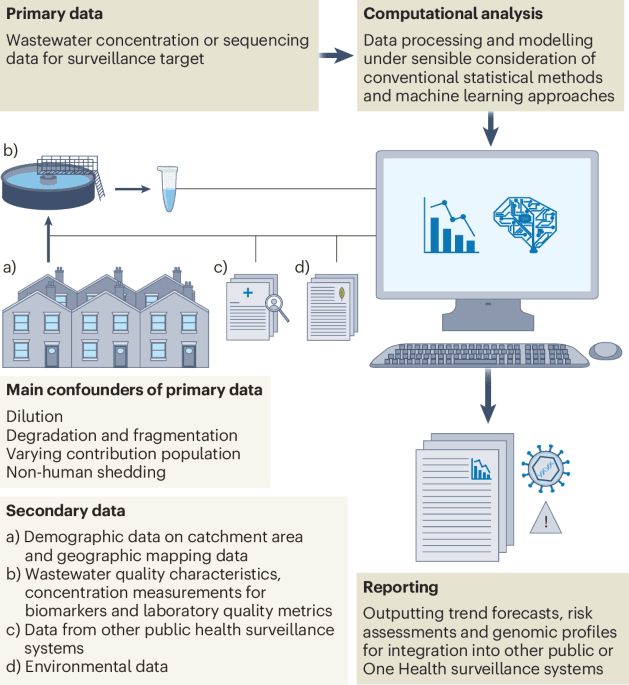
The Trump administration is preparing a drug control strategy that would push federal surveillance deeper into daily life, using wastewater testing and artificial intelligence to track illegal drug use in real time. A 195-page draft plan obtained by CBS News says the White House wants a national wastewater-based monitoring system to produce “timely, localized data on current drug use and trafficking patterns,” while also deploying AI to screen cargo at ports of entry, scan electronic health records for overdose risk, and flag emerging threats through search algorithms.
The proposal lands as overdose deaths are falling from their mid-2023 peak but remain brutally high, with more than 68,000 deaths reported nationwide in the 12-month period ending in November, according to federal data cited in the draft. At the same time, the number of Americans reporting illicit drug use in the past year rose in 2024, driven largely by more marijuana use. The draft frames the landscape as one shaped by fentanyl-laced drugs, newer synthetic drugs and aggressive marketing of nicotine, alcohol, marijuana and psychedelics, which it says have copied “strategies similar to Big Tobacco’s historical targeting of young audiences.”
The promise of faster intelligence comes with a familiar civil-liberties problem: who controls the data, and how widely it can be used. The White House Office of National Drug Control Policy oversees a $44 billion budget and coordinates across 19 federal agencies, giving it broad reach over how drug intelligence moves through government. The administration also held an April 20 meeting with senior leaders from State, Treasury, War, Justice, Homeland Security and the intelligence community to advance interdiction efforts, underscoring how closely surveillance is being tied to enforcement. The draft says the new systems would provide objective, real-time signals, but those signals could also widen federal monitoring of communities already hit hardest by overdose, policing and stigma.
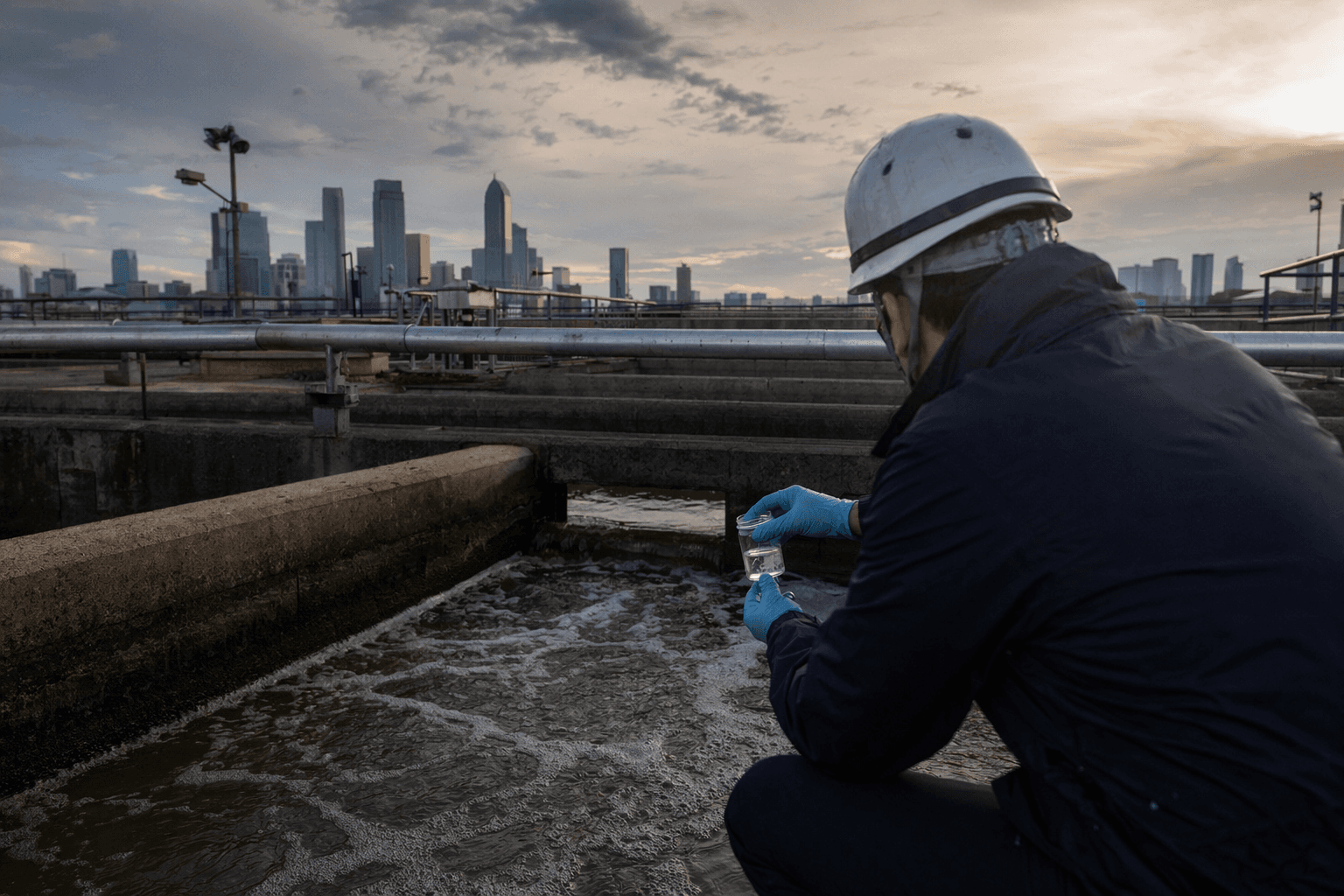
Wastewater surveillance is not new, and that matters. Public-health researchers and federal programs have used wastewater-based epidemiology for years to measure opioid metabolites, map geographic exposure patterns and identify hotspots and emerging substances. A North Carolina pilot helped tailor harm-reduction outreach, and the National Institutes of Health’s National Drug Early Warning System has backed wastewater work as a way to spot new threats nationally. In January, Biobot Analytics said it had won a White House contract to provide nationwide wastewater intelligence on more than 20 chemical targets, and it said such data can show shifts months before traditional indicators.
Still, the strategy appears to merge public health tools with enforcement architecture. The draft pairs surveillance with a broader moral case for treatment, including a line that says, “Secular education and treatment are important, but for those who have faith, adding God into the equation brings in a special power.” Whether the plan marks a real pivot toward prevention and recovery, or simply adds a high-tech layer to older drug-war tactics, will depend on how much power federal agencies are given over the data they collect and who is protected when they use it.
This article was produced by Prism’s automated news system from verified source data, official records, and press releases, then run through automated quality and moderation checks before publishing. The system is built and supervised by the people who set the standards it runs under. Read our full AI policy.
Did this article answer your question?