Trump plans Defense Production Act push to boost coal plants
Trump planned to invoke wartime-style powers to steer nearly $700 million toward coal, a move that fused grid politics with industrial nostalgia.

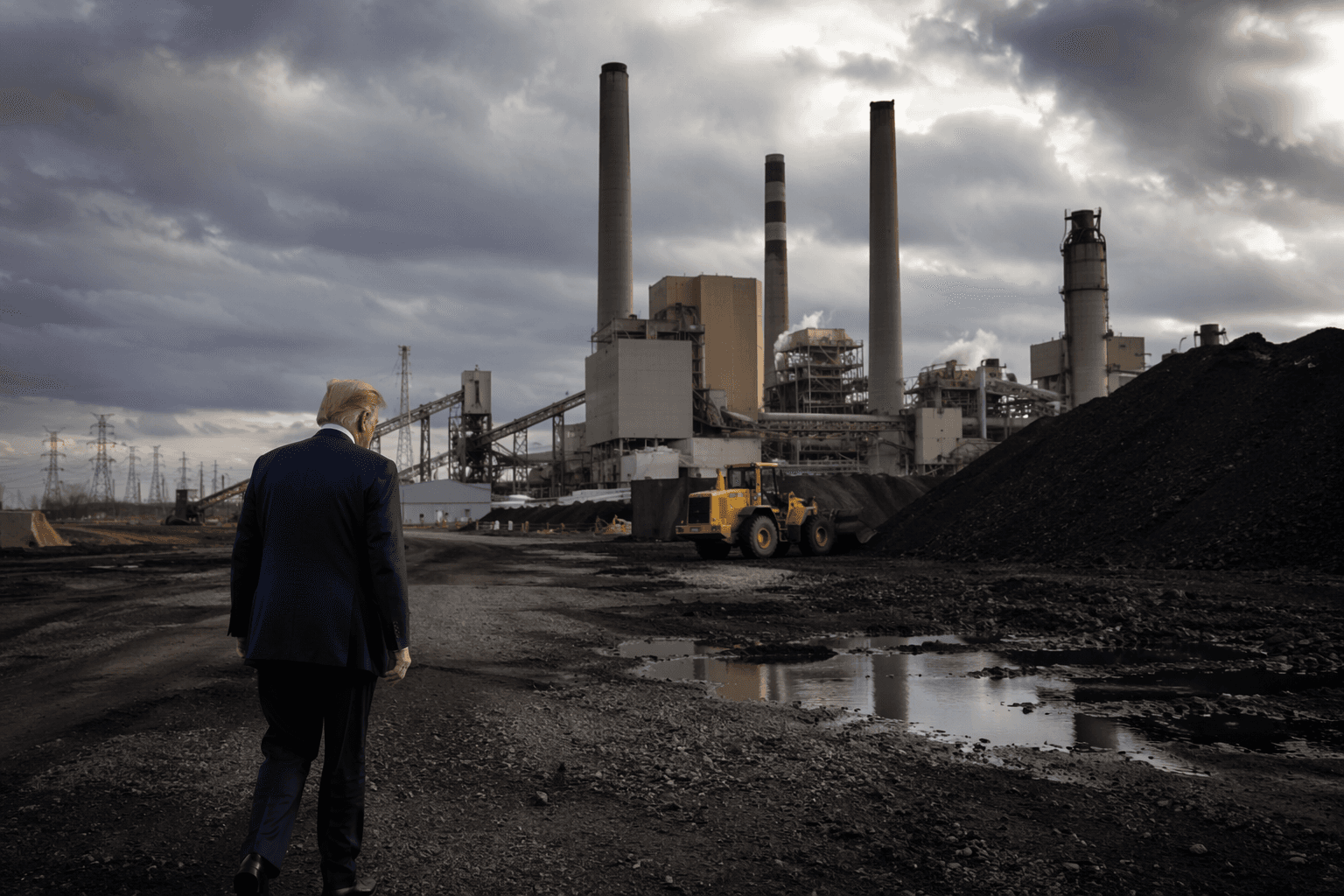
Trump planned to use the Defense Production Act to channel nearly $700 million into coal facilities, stretching a 1950 national-security law to prop up an industry that has been in long-term decline. A White House official said the package could be announced as soon as Thursday and was being framed as a way to strengthen electricity supply for AI data centers and reduce reliance on foreign adversaries.
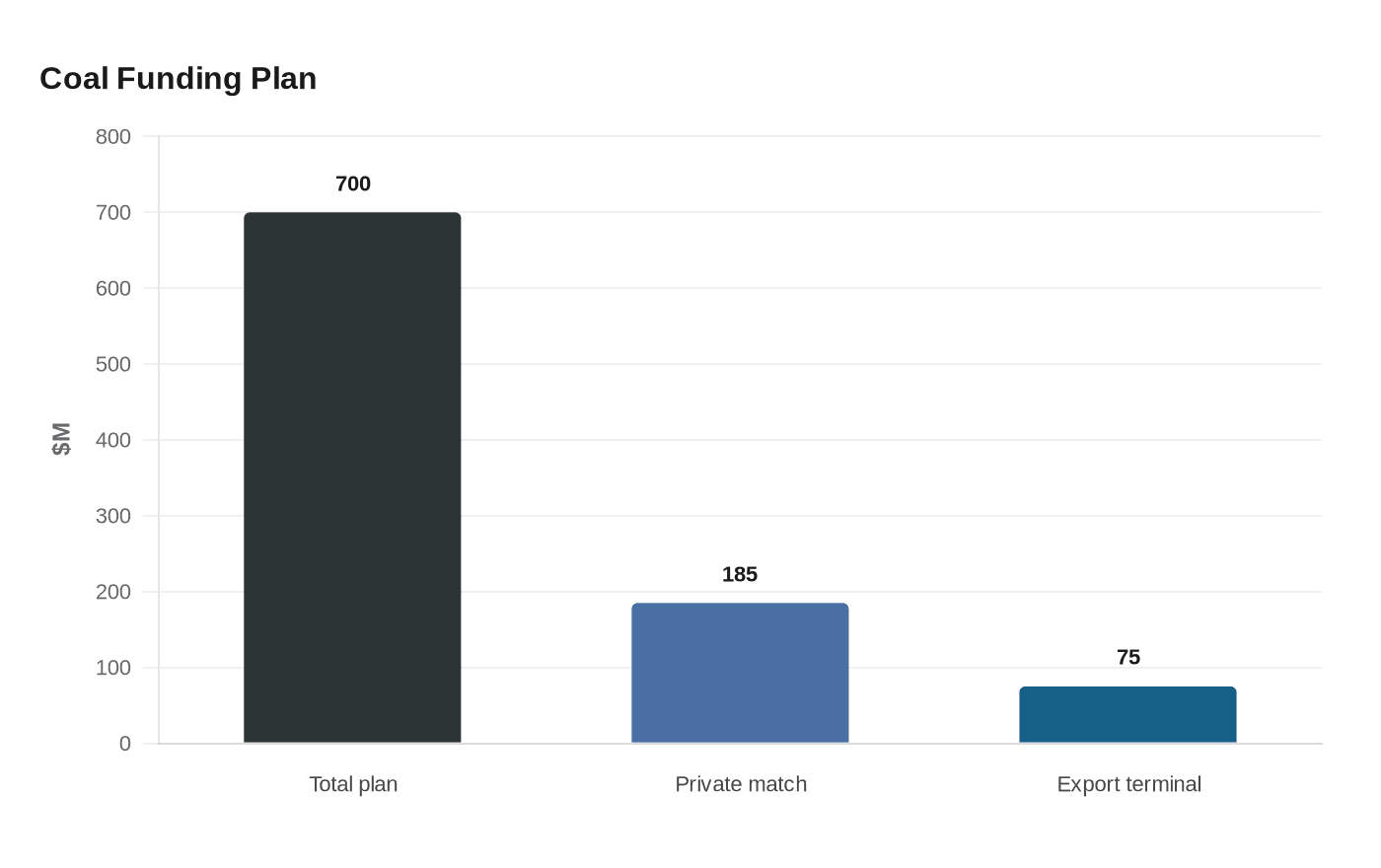
The money was expected to cover upgrades at more than a dozen coal plants, match corporate funds for new coal construction in Alaska, Maryland and West Virginia, and help finance the long-delayed West Gateway export terminal in Northern California. More than half of the total would go to 13 coal plant upgrades, while $185 million would be used to match private investment and $75 million would support the export terminal. Bloomberg first reported the plan.
The administration had already moved to put coal inside its national-defense framework. Trump issued a Presidential Determination on April 20, 2026, under Section 303 of the Defense Production Act, declaring coal supply chains and baseload power generation capacity essential to national defense. The Federal Register version said coal mining, rail and barge logistics, export and domestic terminals, generating-unit availability, stockpiles and reliability upgrades were covered, and it tied coal-fired baseload power to defense installations, industrial expansion and the high-energy demands of artificial intelligence.
That April move followed a January 2026 push from the U.S. Department of Energy, which said it was “ending the war on beautiful clean coal” and reinstating the National Coal Council. The White House said the April determination was consistent with Trump’s January 20, 2025 national energy emergency declaration. Rich Nolan of the National Mining Association said the action recognized coal’s “unique and irreplaceable attributes” to the power system.
The policy ran directly against market reality. Coal once provided more than half of U.S. electricity generation, but the U.S. Energy Information Administration said coal’s share fell to 16.1% in 2024, an all-time low, as utilities turned to cheaper natural gas and renewables. Power producers also faced pressure from coal’s carbon footprint and brittle supply chains, even as the administration argued that domestic fuel stockpiles and generation capacity were strategic assets.
Environmental and consumer groups were already challenging earlier Trump efforts to keep coal plants running longer, including Department of Energy actions to force two Indiana plants to stay online beyond planned retirements. The new package, if finalized, would sharpen the same fight: whether federal emergency powers can meaningfully reinforce the grid, or whether they mostly extend the life of a politically symbolic fuel.
This article was produced by Prism’s automated news system from verified source data, official records, and press releases, then run through automated quality and moderation checks before publishing. The system is built and supervised by the people who set the standards it runs under. Read our full AI policy.
Did this article answer your question?