Trump Postpones China Visit as U.S. Focus Shifts to Iran Conflict
Trump scrapped his March 31 Beijing trip, citing the Iran war — the first U.S. presidential visit to China since 2017 is now set for May 14-15.
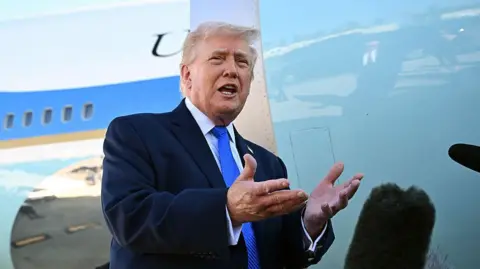
A Beijing summit three years in the making got shelved Tuesday when Donald Trump announced he was postponing his end-of-March trip to China, citing a war with Iran that has closed the Strait of Hormuz to nearly all global shipping and sent oil prices surging during a politically treacherous midterm year.
Trump made the announcement while hosting Irish Prime Minister Micheál Martin in the Oval Office, telling reporters he would travel to Beijing in "five or six weeks' time instead of at the end of the month." The visit had been scheduled for March 31 through April 2. "Because of the war, I want to be here. I have to be here," Trump said. In a separate statement, he put it plainly: "I'd love to, but because of the war ... I have to be here, I feel."
The postponement carries significant weight. The trip would have been the first presidential state visit to China since Trump's own 2017 trip during his first term, though Trump and Xi Jinping did meet in person as recently as October, on the sidelines of the APEC summit in Busan. Trump later confirmed a specific rescheduling on Truth Social, writing that the meeting "has been rescheduled, and will take place in Beijing on May 14th and 15th." He added that he and First Lady Melania Trump would host Xi and Madame Peng for a reciprocal visit in Washington at some point later this year, calling the upcoming Beijing meetings "a monumental event."
The Iran war, which began February 28 under the name Operation Epic Fury, entered its third week as Trump made his announcement. Spokesperson Leavitt, asked at a news conference whether the May dates signaled Trump expected the war to wind down, said "We've always estimated four to six weeks. So, you could do the math on that." Leavitt also claimed more than 9,000 enemy targets had been struck since the operation commenced and that Iran's missile and drone attacks were down roughly 90%.
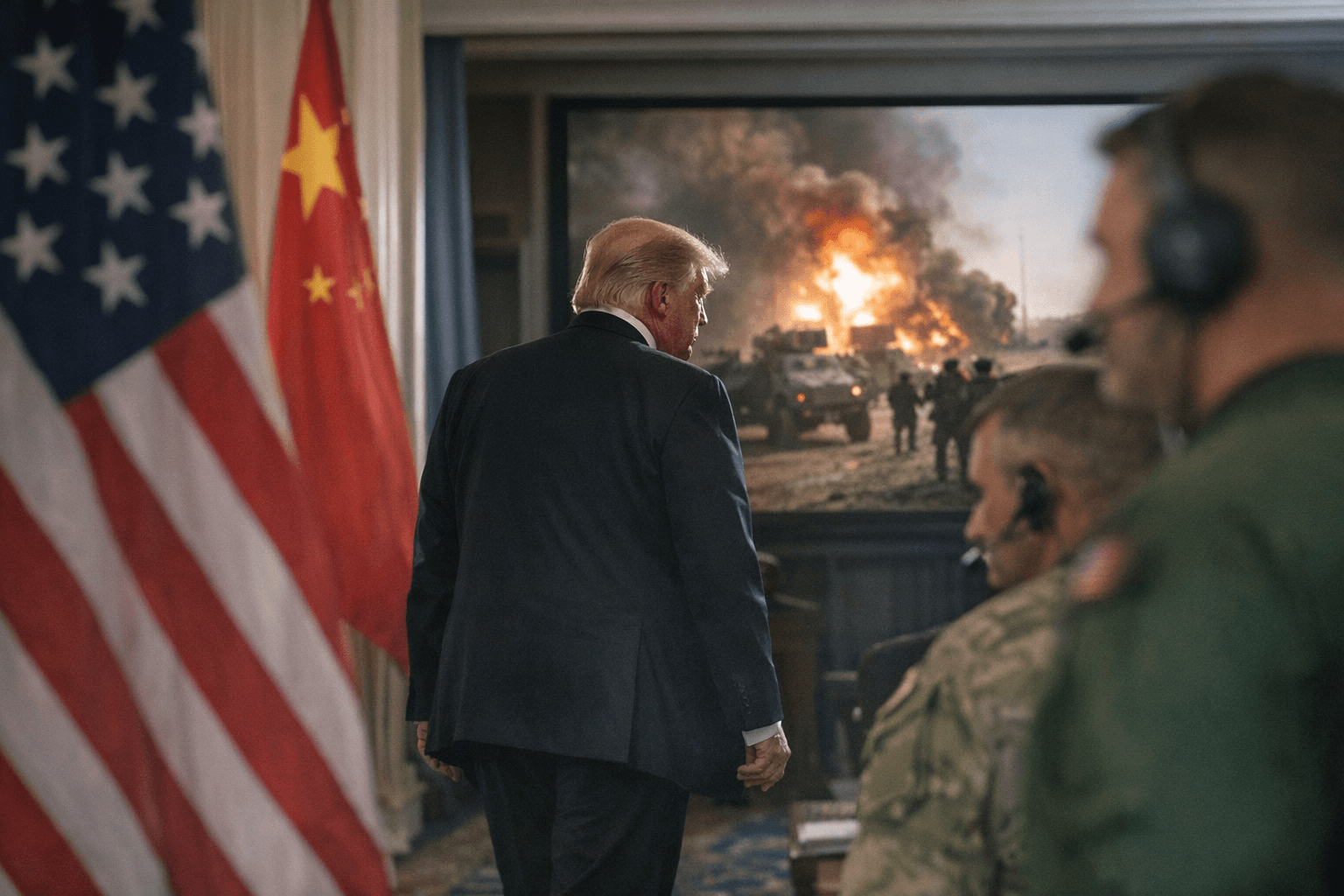
The Strait of Hormuz closure sat at the center of both the war and the postponement. Trump told the Financial Times before the announcement that he wanted to know whether Beijing would help lobby Tehran to reopen the waterway before he departed for the late-March summit. On Sunday he suggested he might cancel the trip altogether if China refused to help. By Monday, he shifted his stated rationale, telling reporters the delay was solely about managing the war from Washington. Treasury Secretary Scott Bessent reinforced that framing in a CNBC interview, saying the delay "would not be due to Washington's request that Beijing help in the Gulf" and urging investors not to react negatively. "The President wants to remain in DC to coordinate the war effort," Bessent said. "Travelling abroad at a time like this may not be optimal."
China's Ministry of Foreign Affairs said Tuesday that the two countries "remain in communication" about the visit. China's foreign minister had said the previous week that Beijing looks forward to a "landmark year" in its relationship with the United States and that China's attitude "has always been positive and open, and the key is for the U.S. side to meet us halfway." Beijing, a major buyer of Iranian energy, has criticized U.S. and Israeli strikes on Iran.
The postponement also lands against a fraught trade backdrop. After the Supreme Court struck down Trump's signature tariff policy in February, Washington announced it would investigate the trade practices of several countries, China among them. The Beijing visit had been seen as an opportunity to shore up a fragile trade truce between the world's two largest economies; instead it became entangled in the administration's search for an endgame to the Iran war. Beyond the China delay, Trump has also lifted sanctions on Russian oil and drawn down the nation's strategic petroleum reserves, measures he had previously opposed, as rising fuel costs threaten to define the coming midterm elections.
This article was produced by Prism’s automated news system from verified source data, official records, and press releases, then run through automated quality and moderation checks before publishing. The system is built and supervised by the people who set the standards it runs under. Read our full AI policy.
Did this article answer your question?