Trump predicts 'four-week' Iran war and sketches competing regime outcomes
Trump says the Iran conflict could last "four weeks or so" and urges Tehran's military to disarm, while U.S. strikes and Iranian denials heighten regional risk.

President Donald Trump told a phone interviewer that the campaign against Iran could be short, saying "it's always been a four-week process" and "we figured it will be four weeks or so," even as he offered sharply different visions for Tehran's future and ordered a sweeping military posture across the Middle East. His remarks came after U.S. strikes on Iranian targets and a Truth Social video in which he framed the attacks as intended "to defend the American people by eliminating imminent threats from the Iranian regime."
In the phone interview Mr. Trump suggested Iran's hardline security forces should surrender their weapons to the Iranian public, portraying a rapid collapse of the regime's coercive apparatus as a feasible outcome. He also reiterated a central tenet of his policy: "It has always been the policy of the United States, in particular my administration, that this terrorist regime can never have a nuclear weapon." Mr. Trump has additionally claimed that strikes in June "obliterated" Iran's nuclear program, a characterization that requires independent technical verification.
The Iranian government offered a contrasting message. Foreign Minister Abbas Araghchi posted on X that "our fundamental convictions are crystal clear: Iran will under no circumstances ever develop a nuclear weapon; neither will we Iranians ever forgo our right to harness the dividends of peaceful nuclear technology for our people." The apparent mismatch between Washington's stated objectives and Tehran's public position complicates the diplomatic path and undercuts claims that a short campaign will resolve the nuclear question.
U.S. officials have accelerated a military deployment that analysts describe as the largest regional buildup since 2003, raising the prospect of an extended air campaign. A senior White House official warned that Iran would be "very wise" to strike an agreement to deescalate, signaling a mix of pressure and an opening for diplomacy. At the same time, the president's readiness to use force without seeking prior congressional approval has deepened tensions with lawmakers and international partners.
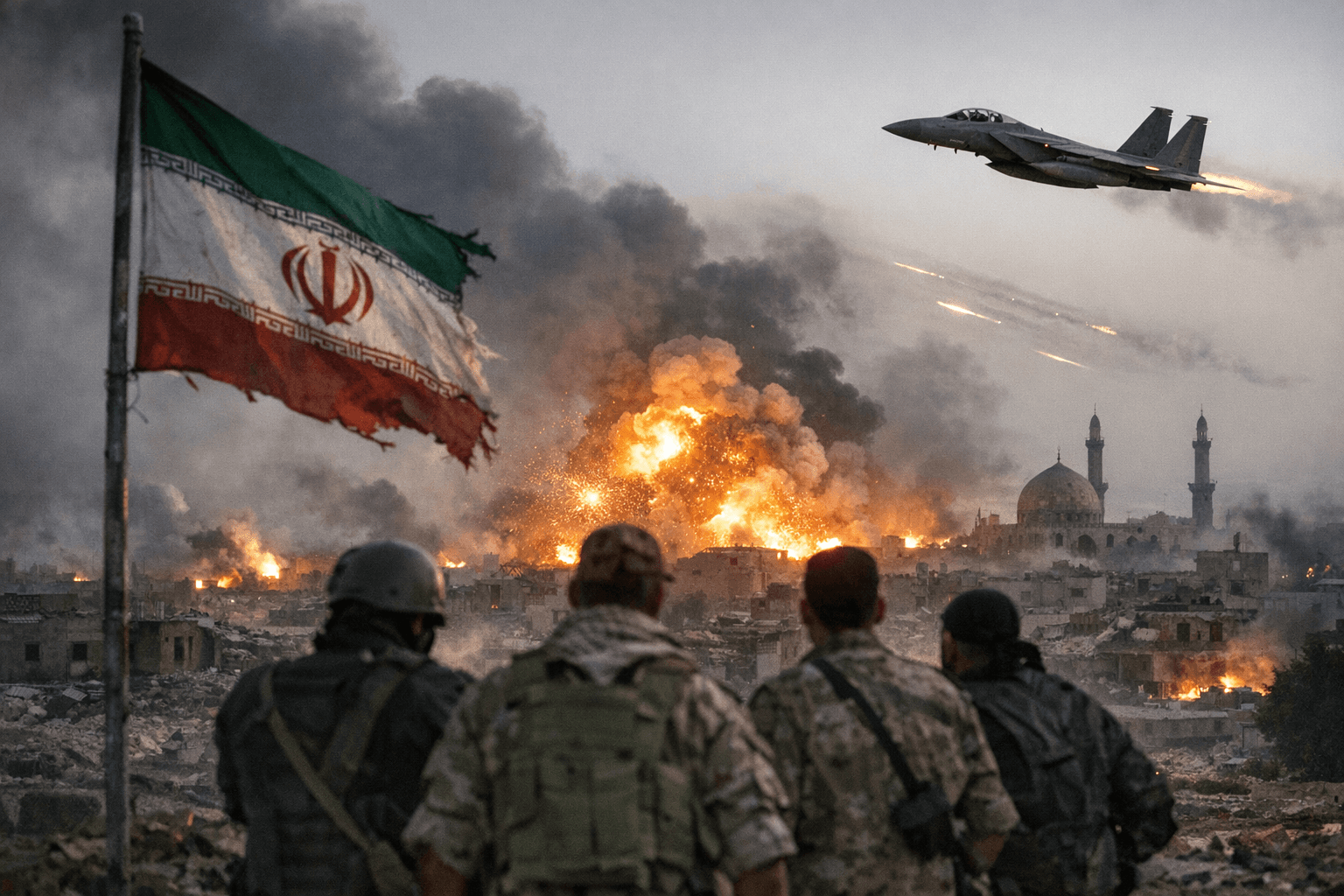
The human cost of the confrontation remains unclear. One U.S. outlet reported that three American service members were killed in the fighting; the Pentagon has not publicly confirmed those identities or the casualty count. In televised remarks referenced by that outlet Mr. Trump said of the service members, "They're great people," and added, "And, you know, we expect that to happen, unfortunately. Could happen continuous - it could happen again." The potential for more U.S. deaths will sharpen domestic political scrutiny.
Regionally, missiles and strikes have been reported across multiple theaters, with some impacts on Israel, Gulf Arab states and U.S. bases, heightening the risk of a wider conflagration. Analysts warn that a major campaign could alienate segments of the American electorate ahead of the midterm elections and contradict the president's appeals for international legitimacy, including his public contention that his actions merit consideration for a Nobel Peace Prize.
The competing public narratives from Washington and Tehran leave the central question unresolved: whether the confrontation will be a brief, decisive military operation as the president suggested, or an extended conflict driven by reciprocal strikes, regional enmeshment and political blowback. Independent verification of the damage to Iran's nuclear infrastructure and confirmation of casualty figures remain essential to gauging how the crisis will unfold.
This article was produced by Prism’s automated news system from verified source data, official records, and press releases, then run through automated quality and moderation checks before publishing. The system is built and supervised by the people who set the standards it runs under. Read our full AI policy.
Did this article answer your question?

