Trump proposals would cut costs for fossil fuel drillers on federal land
Federal drillers could trade a $500,000 cleanup bond for $25,000, while public review drops from 90 days to 10 and abandoned wells shift risk outward.
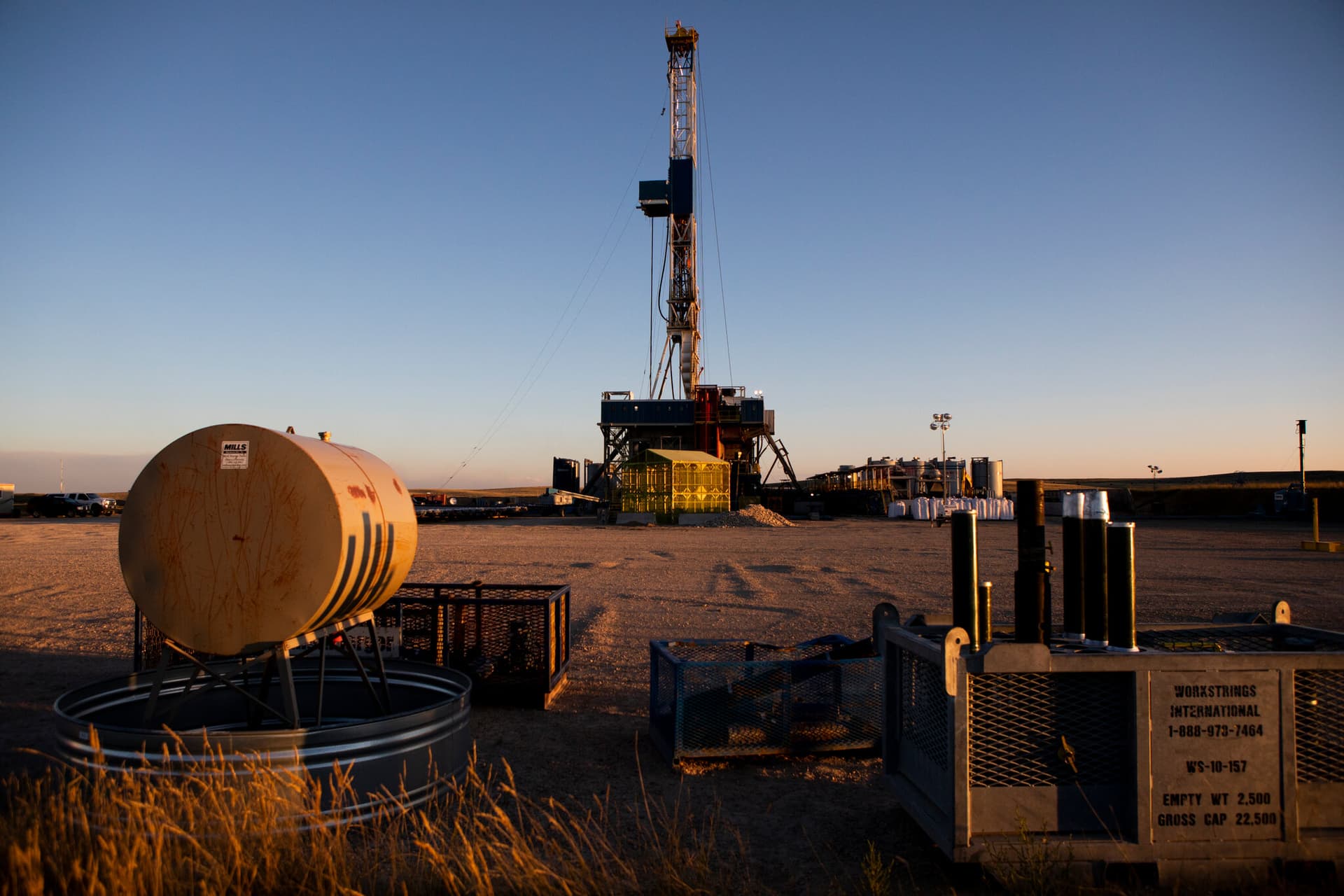
The Trump administration moved to make drilling on federal land cheaper and faster by restoring a $25,000 statewide bond standard, far below the Biden-era $500,000 requirement, and by cutting the public review period for some leasing decisions from 90 days to 10. In practice, that meant oil and gas companies would have to post far less money upfront and face less scrutiny before leases moved ahead, while the financial burden of plugging abandoned wells could fall more heavily on taxpayers and nearby communities if operators walked away.
The second proposal went after waste-prevention rules that the administration said added unnecessary costs and uncertainty. Interior said the changes would trim compliance costs by nearly $17 million a year, eliminate waste minimization plans and self-certification statements in drilling applications, replace subjective sundry-notice reviews with defined royalty standards, and create firmer definitions for avoidable and unavoidable losses, authorized venting and flaring, emergencies and measurement standards. Burgum cast the rollback as a way to clear away what he called red tape, saying, “Energy Dominance requires regulatory clarity,” and that the targeted updates would cut through barriers that had historically deterred investment.
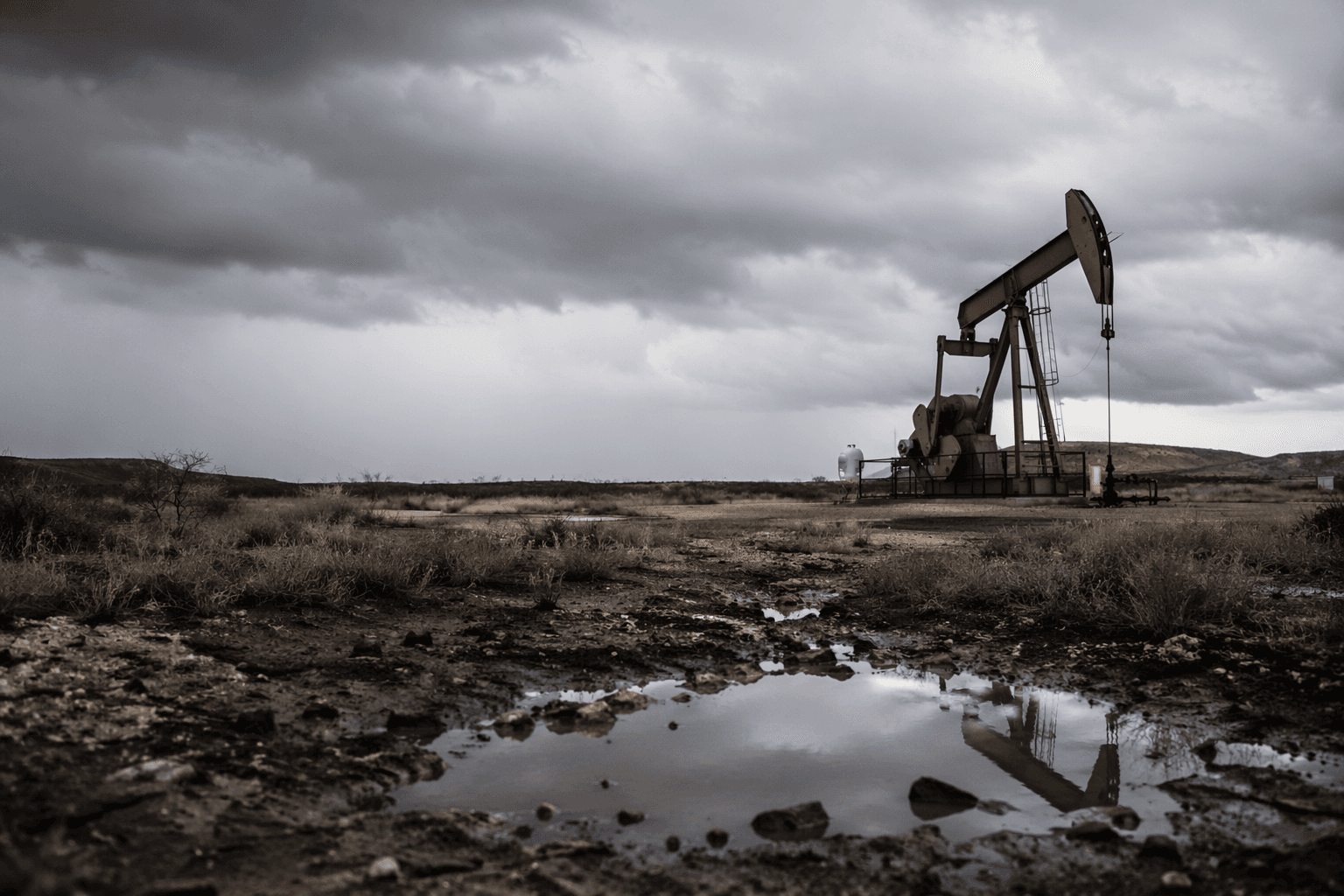
The leasing proposal also would let companies secure noncompetitive leases after competitive auctions, remove the expression-of-interest preference review, modernize filing fees, allow replacement lease sales when earlier offerings were canceled or delayed, and limit lease suspension approvals to one year. Together, those changes would reduce procedural hurdles for drillers and give the Interior Department more tools to move acreage to market faster, even as public participation windows shrank sharply.
The fight over the bond rule turned on who pays when wells stop producing. The Bureau of Land Management has said thousands of wells on federal land pose health and safety risks, and that about 8,500 wells on BLM-managed lands had been idled for four years or more. The agency said those wells can leak and emit pollution, creating costs for communities and the public, and it oversaw plugging more than 1,500 wells in 2023. Senators John Hickenlooper, Michael Bennet, Martin Heinrich and Ben Ray Luján warned that rescinding the 2024 rule could cost taxpayers more than $15 billion to clean up orphaned wells and leave the West exposed to methane leaks, water contamination and degraded habitat. The administration’s version of energy dominance, in other words, rested on whether it was redefining success as production today and liability later.
This article was produced by Prism’s automated news system from verified source data, official records, and press releases, then run through automated quality and moderation checks before publishing. The system is built and supervised by the people who set the standards it runs under. Read our full AI policy.
Know something we missed? Have a correction or additional information?
Submit a Tip