Trump raises refugee cap to admit more white South Africans
Trump lifted the refugee ceiling to 17,500, but the added slots are aimed mainly at Afrikaners while most refugee admissions stay frozen.

Donald Trump raised the refugee admissions ceiling by 10,000 this year, opening the door wider for white South Africans even as refugee processing for most of the world remains sharply restricted. A signed presidential determination dated May 21 set the fiscal 2026 ceiling at 17,500 and framed Afrikaners in South Africa as facing an emergency.
The numbers show how selective the policy has become. The State Department had initially proposed a ceiling of 7,500 for fiscal 2026, with Afrikaners from South Africa as the primary beneficiaries and an expected cost of roughly $300 million. By the end of April, the administration had admitted 6,000 white South Africans and only three non-South African refugees during the fiscal year, a contrast that underscores how far the current system has moved from the usual refugee model, which is built around vulnerability rather than ethnicity.
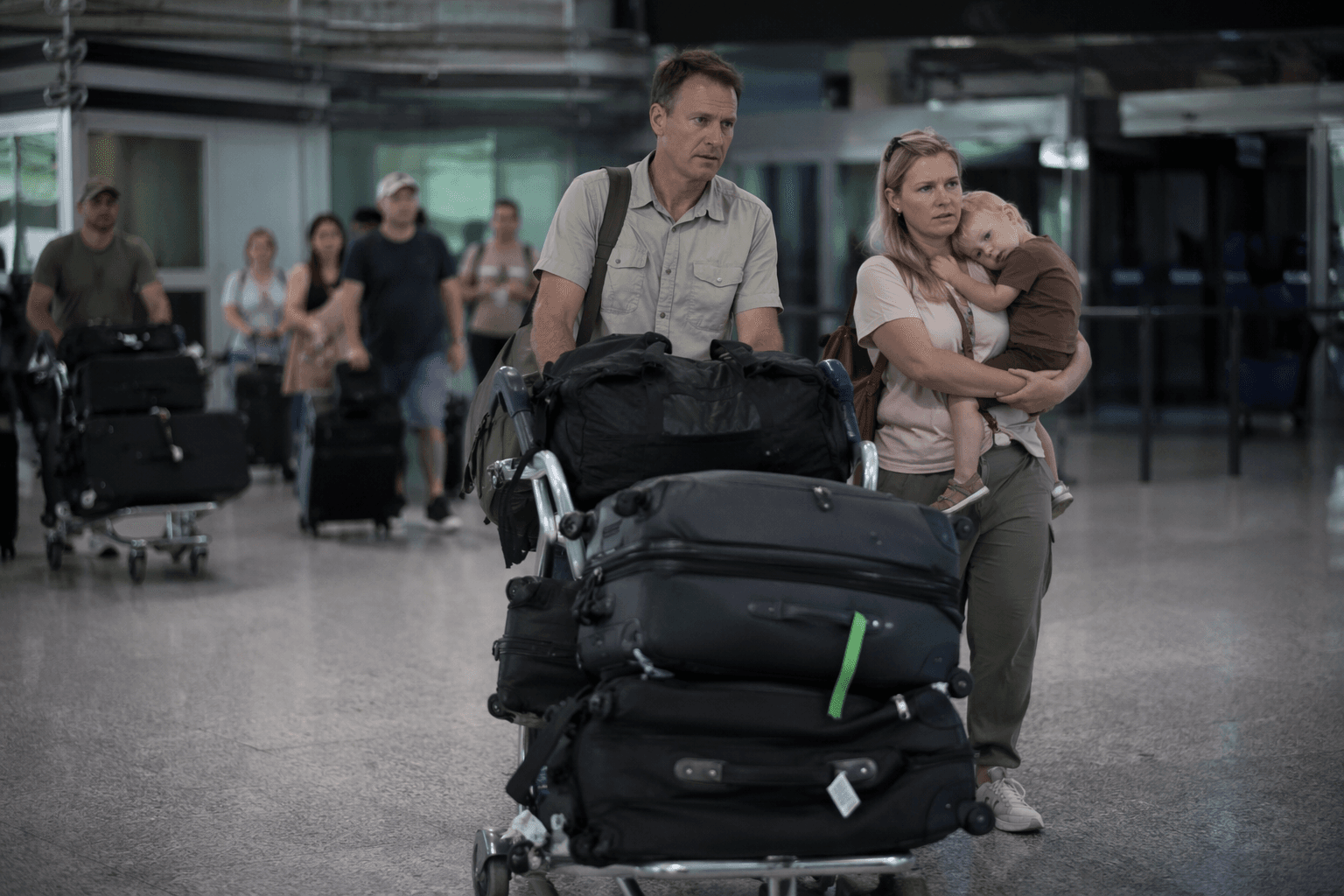
The administration’s own paperwork tied the program to Executive Order 14204, Executive Order 14161, Executive Order 14163 and Presidential Proclamation 10949. The government suspended processing of all refugee applications on January 20, 2025, under Executive Order 14163, then carved out a South Africa-focused pathway weeks later. On May 12, 2025, Deputy Secretary of State Christopher Landau welcomed the first group of Afrikaner refugees and said more would arrive in the months ahead. State Department arrivals data show that 1,651 refugees had been admitted in fiscal 2026 by January 31, 2026.
The White House determination said white South Africans of Afrikaner ethnicity faced an emergency because of incitement of racially motivated violence by the South African government and political parties in the majority-Black country. It did not cite specific examples of government-backed racial violence. South Africa’s foreign ministry rejected that premise, and spokesperson Chrispin Phiri said the claim that white Afrikaners endure systemic persecution is entirely without foundation. A State Department spokesperson, Tammy Bruce, declined to confirm the 10,000-person increase while saying the president would determine refugee levels.
The broader context makes the political stakes harder to ignore. The State Department’s South Africa human rights report cited 447 murders on farms and smallholdings between October 2023 and September 2024, as compiled by AFP, and said the South African Human Rights Commission reported 337 deaths and 3,400 arrests from the 2021 unrest in KwaZulu-Natal and Gauteng. It also flagged South Africa’s Expropriation Bill B23-2020 as a worrying step toward land expropriation. At the same time, UNHCR said South Africa hosted more than 167,000 refugees and asylum-seekers in 2025, mostly from other African countries, while Eastern and Southern Africa hosted 25.1 million forcibly displaced people by September 2025. That gap between a narrowly tailored U.S. program and a far larger regional displacement crisis is now at the center of the debate over whether Trump’s move is humanitarian policy, ideological signaling, or both.
This article was produced by Prism’s automated news system from verified source data, official records, and press releases, then run through automated quality and moderation checks before publishing. The system is built and supervised by the people who set the standards it runs under. Read our full AI policy.
Know something we missed? Have a correction or additional information?
Submit a Tip