Trump refuses to rule out U.S. ground troops in Iran as Pentagon confirms four deaths
President Trump said he would not categorically rule out deploying troops to Iran and projected a four-to-five-week campaign; the U.S. military confirmed four service members dead on Day 3.

President Donald Trump refused to categorically rule out sending U.S. ground troops into Iran, telling the New York Post he “doesn’t have the yips with respect to boots on the ground” and saying he would use them “if they were necessary,” as the U.S. military confirmed four American service members had died on the third day of the campaign.
Trump told reporters and supporters at a White House Medal of Honor ceremony that the administration initially projected a four to five week campaign but “has capability to go far longer than that.” He framed the U.S.-Israeli operation as the “last best chance” to blunt Iran’s ballistic missile and nuclear programs and listed goals that include destroying Iran’s missile capability and ensuring it never obtains a nuclear weapon.
At the Pentagon, Defense Secretary Pete Hegseth declined to rule out the use of ground forces and said the president “has all the latitude in the world to talk about how long it may or may not take.” Hegseth added that timetables could “move up” or “move back” and said “there are not currently any U.S. service members on the ground in Iran.” Chairman of the Joint Chiefs Gen. Dan Caine warned that U.S. objectives “could take some time to achieve.” The Pentagon also said additional U.S. forces were headed to the Middle East.
So far the campaign has relied overwhelmingly on air power, with U.S. and Israeli planes striking targets inside Iran and Israel conducting a “broad wave of strikes” in southern Lebanon that targeted more than 70 Hezbollah weapons storage facilities and launchers, according to military statements. Iran’s president Masoud Pezeshkian denounced what he described as attacks on hospitals and schools, posting that “attacks on hospitals strike at life itself” and that “Iran will not remain silent.”
The confirmed U.S. deaths add immediate human cost to a conflict whose civilian toll and public health impact are already emerging concerns. Attacks on health facilities and schools, if verified, would compound humanitarian harm by disrupting medical care, diverting scarce supplies, and displacing patients and children. Conflict of this scale typically interrupts supply chains for medicines and complicates emergency response capacity, increasing risks of untreated chronic disease, maternal and child health crises, and infectious disease outbreaks for communities already facing resource constraints.
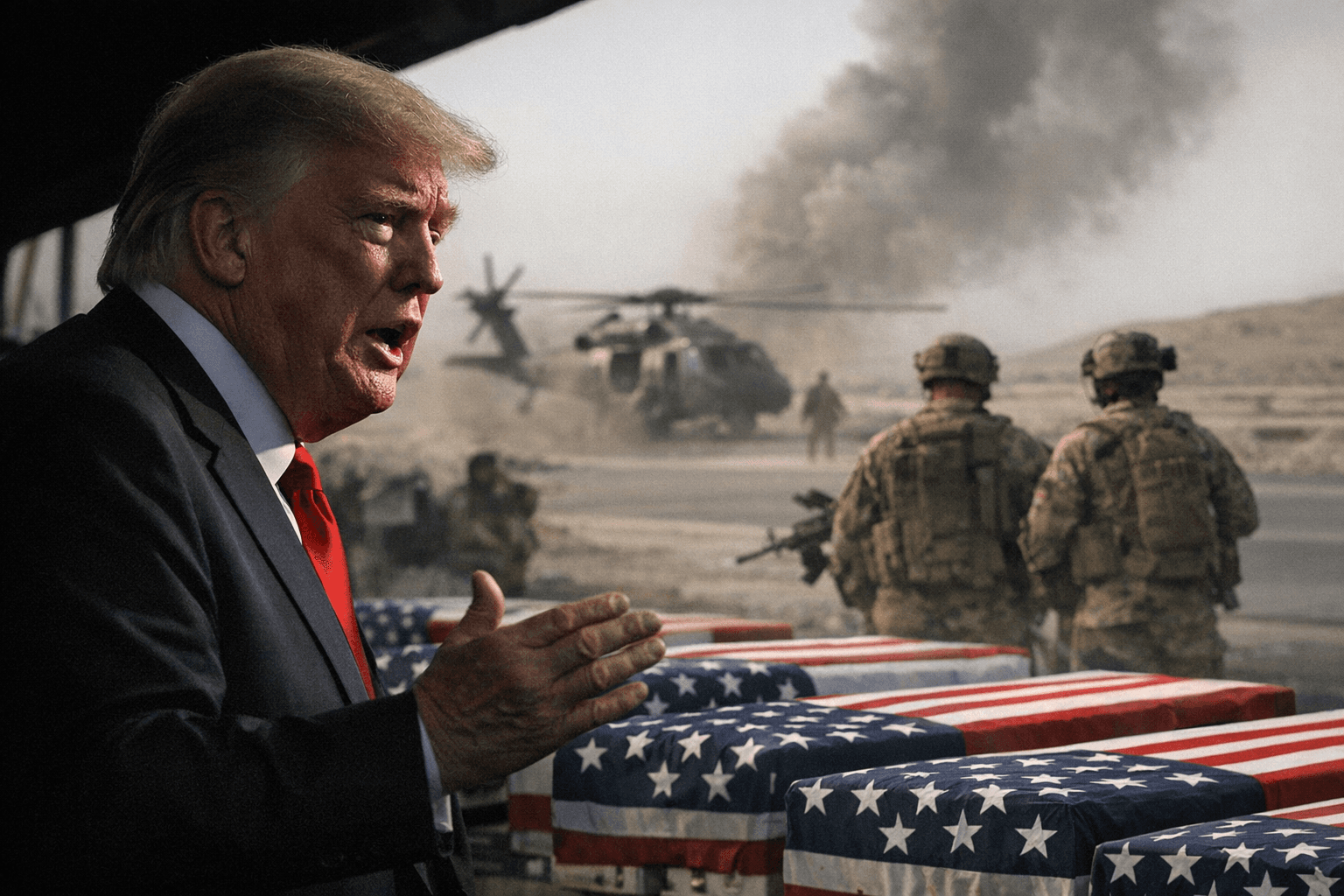
The regional escalation is likely to deepen inequities. Hospitals and clinics serving the most vulnerable often lack surge capacity and depend on supply lines strained by conflict. Displacement and damage to infrastructure disproportionally affect low-income communities, rural populations, and marginalized ethnic and religious groups, intensifying long-term social and economic harm. Domestic health systems may also feel ripple effects through increased demand for trauma care and mental health services for families of the fallen and returning service members.
Officials have not independently confirmed comments from Mr. Trump that Iran’s leadership suffered 49 deaths in initial strikes; that number remains an asserted figure. Journalists and investigators will need to verify both Iranian leadership casualties and details about reported strikes on civilian facilities. The Pentagon has not announced further details about the four confirmed U.S. deaths, leaving questions about units, locations, and circumstances.
As the campaign unfolds, public health leaders and humanitarian agencies will be watching for verified reports of damage to hospitals and schools, access for aid workers, and the scale of civilian displacement. For communities in the United States, the immediate toll on military families and potential for protracted engagement underline the need for clear plans for medical and mental health support, transparent casualty reporting, and policies that address the unequal burdens of war on the most vulnerable.
This article was produced by Prism’s automated news system from verified source data, official records, and press releases, then run through automated quality and moderation checks before publishing. The system is built and supervised by the people who set the standards it runs under. Read our full AI policy.
Did this article answer your question?