Trump rejects Iran ceasefire response as talks stall over war terms
Trump called Iran’s reply “TOTALLY UNACCEPTABLE” as Tehran pressed for a permanent end to war, sanctions relief and shipping guarantees.
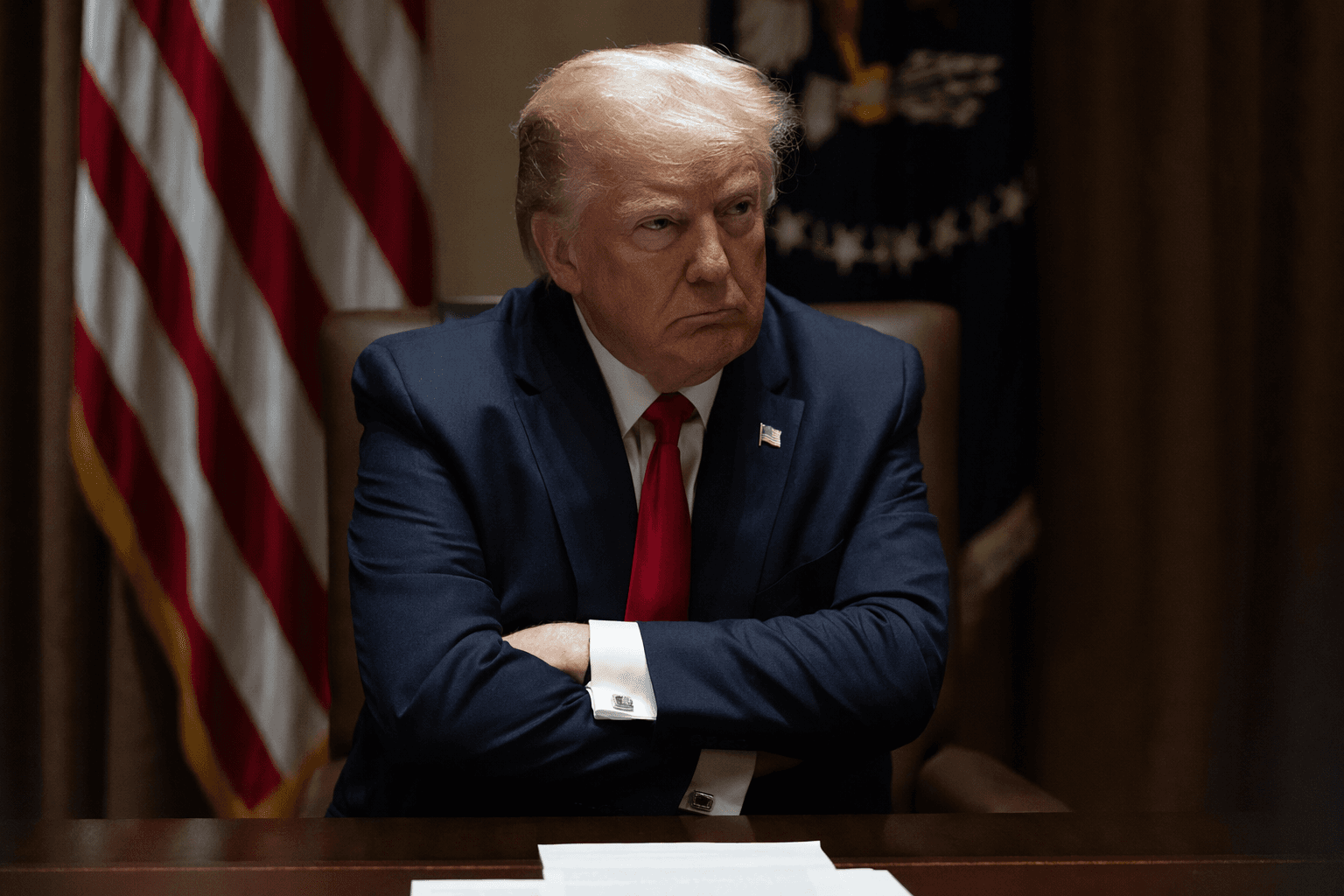
Donald Trump slammed Iran’s answer to the latest U.S. ceasefire proposal as “TOTALLY UNACCEPTABLE,” exposing how far apart the two sides remained as mediators tried to keep talks from collapsing into a wider war. Iran sent its response through Pakistani intermediaries, and Pakistani Prime Minister Shehbaz Sharif said his government had received it.
The core divide was not subtle. Reuters reported that the U.S. proposal was built around an initial pause in fighting, with the harder questions, including Iran’s nuclear program, to follow later. Iranian state media said Tehran wanted something much broader: a permanent end to the war, including the conflict in Lebanon, along with security for shipping in the Strait of Hormuz. In practical negotiating terms, Trump’s “unacceptable” meant the White House was rejecting an offer that seemed to bundle together a ceasefire, regional de-escalation, nuclear constraints, maritime guarantees and sanctions relief all at once.
Reuters reported that Iran also wanted an end to the U.S. naval blockade, assurances against further attacks on Iranian territory and the lifting of sanctions on Iranian oil sales. Tehran additionally proposed diluting some of its highly enriched uranium and transferring the rest to a third country, while keeping open the possibility of its return if talks failed. CNBC said Iran also wanted Iranian management of the Strait of Hormuz if certain commitments were met. Those demands went well beyond a temporary truce and into the architecture of postwar control.
The pressure around the talks was rising even as the diplomacy dragged on. Reuters said hostile drones were detected over several Gulf countries while two ships were allowed to pass through the blockaded Strait of Hormuz. CNBC reported that a Qatari LNG tanker crossed the strait for the first time since the war began, and a Panama-flagged bulk carrier also passed through a designated route. The New York Times said the two sides had been discussing a 30-day extension to the cease-fire and a reopening of the strait, a sign that the maritime corridor had become as central as the battlefield itself.
The rhetoric on both sides narrowed the room for compromise. Israeli Prime Minister Benjamin Netanyahu said the war was “not over” and argued that enriched uranium, enrichment sites and Iranian-backed proxies still had to be dealt with. Iranian Foreign Minister Abbas Araghchi said Iran would “never bow to pressure” and that its military remained “1,000%” ready to defend the country. That language kept the ceasefire window open only in theory, while each side defined peace in terms the other could not easily accept.
Know something we missed? Have a correction or additional information?
Submit a Tip

