U.S. disappointed as Taiwan parliament trims defense spending package
Taipei’s opposition-led legislature cut President Lai’s NT$1.25 trillion defense plan to NT$780 billion, prompting U.S. disappointment over weakened deterrence.
Washington is warning about China’s military buildup, but Taiwan’s own parliament has just narrowed the defense money meant to meet that threat. The opposition-controlled Legislative Yuan approved a trimmed special package of NT$780 billion, about US$24.8 billion, instead of the NT$1.25 trillion, or about US$39.81 billion, that President Lai Ching-te had sought.
The vote passed 59-51, with only 107 lawmakers present, and leaves Taiwan’s special defense budget running through 2033 at roughly two-thirds of the government’s original plan. The package is separate from Taiwan’s regular annual defense budget and was designed to pay for U.S. arms, Taiwan-made drones and other weapons. By cutting the plan back to selected items, lawmakers left some capabilities on the sidelines, including some Taiwan-made systems that the defense ministry had wanted to fund.
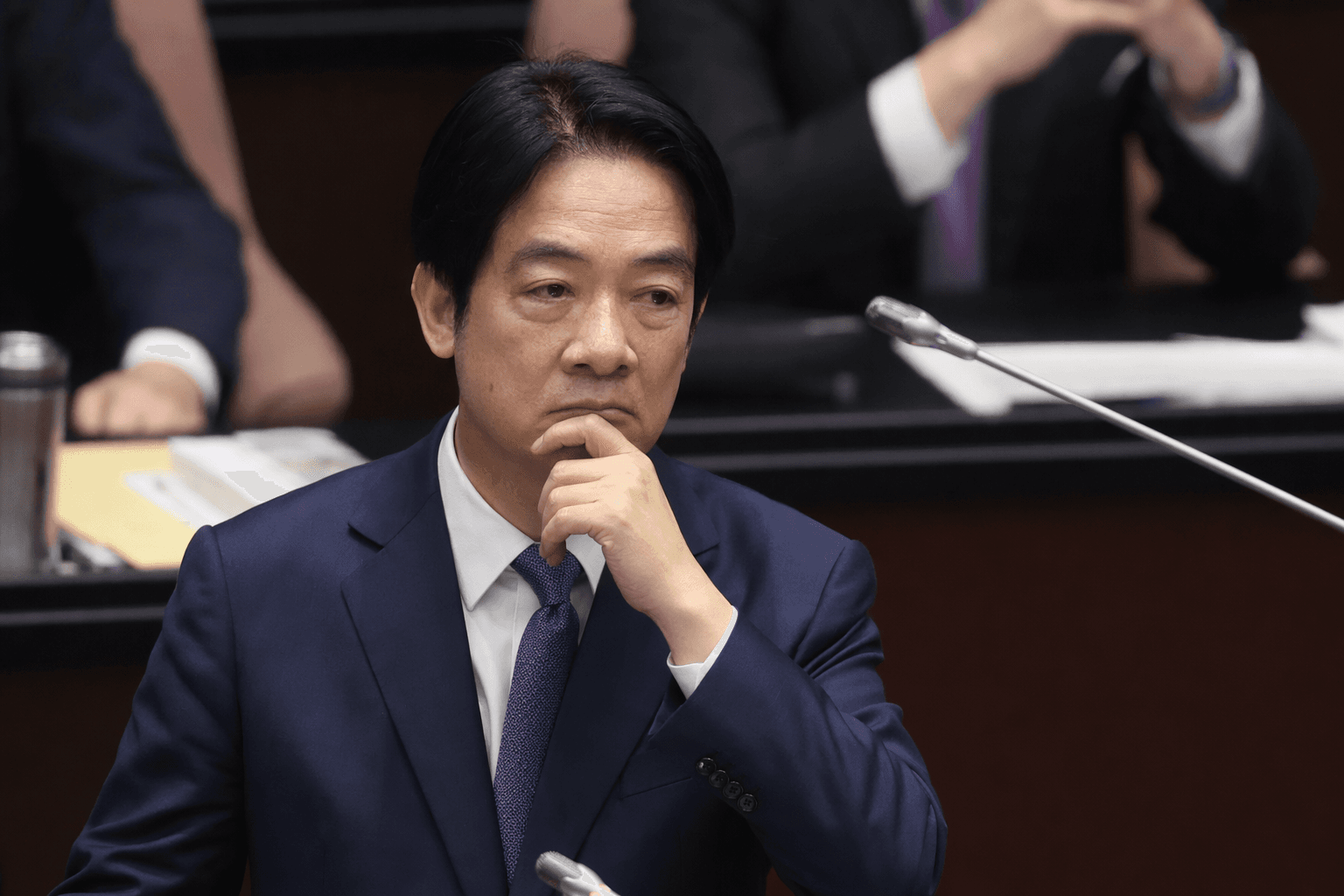
The political divide in Taipei was just as important as the spending totals. The Kuomintang and the Taiwan People’s Party, which together hold a legislative majority, argued that the package should not be a “blank check” and raised transparency and corruption concerns. The ruling Democratic Progressive Party said the reductions would weaken Taiwan’s defenses and create capability gaps, turning a sprawling strategic debate into a hard fight over specific programs, contracts and delivery timelines.
That tension has been building for months. Taiwan’s government unveiled a detailed weapons list in January 2026 after opposition lawmakers objected to the lack of specificity in the package. The list was meant to show exactly what the money would buy, and how it would strengthen deterrence against Beijing. Instead, the budget fight has become another test of how far Taipei can go in modernizing its military while facing domestic resistance to the size, scope and oversight of the spending.
A senior U.S. official said Washington was disappointed and that some items were left on the “cutting room floor,” a blunt sign that the U.S. wants Taipei to do more than declare support for deterrence. The U.S. State Department has also described further delays to Taiwan military spending as a “concession” to China. For Washington, the message is clear: Taiwan remains essential to the regional security balance, but U.S. pressure still runs into the realities of partisan politics in Taipei.
This article was produced by Prism’s automated news system from verified source data, official records, and press releases, then run through automated quality and moderation checks before publishing. The system is built and supervised by the people who set the standards it runs under. Read our full AI policy.
Did this article answer your question?