Trump Rejects Iran Response as Gulf Ceasefire Talks Stall
Trump called Iran’s reply “totally unacceptable,” putting fragile Gulf ceasefire talks under sharper strain as clashes and shipping disruptions persisted.
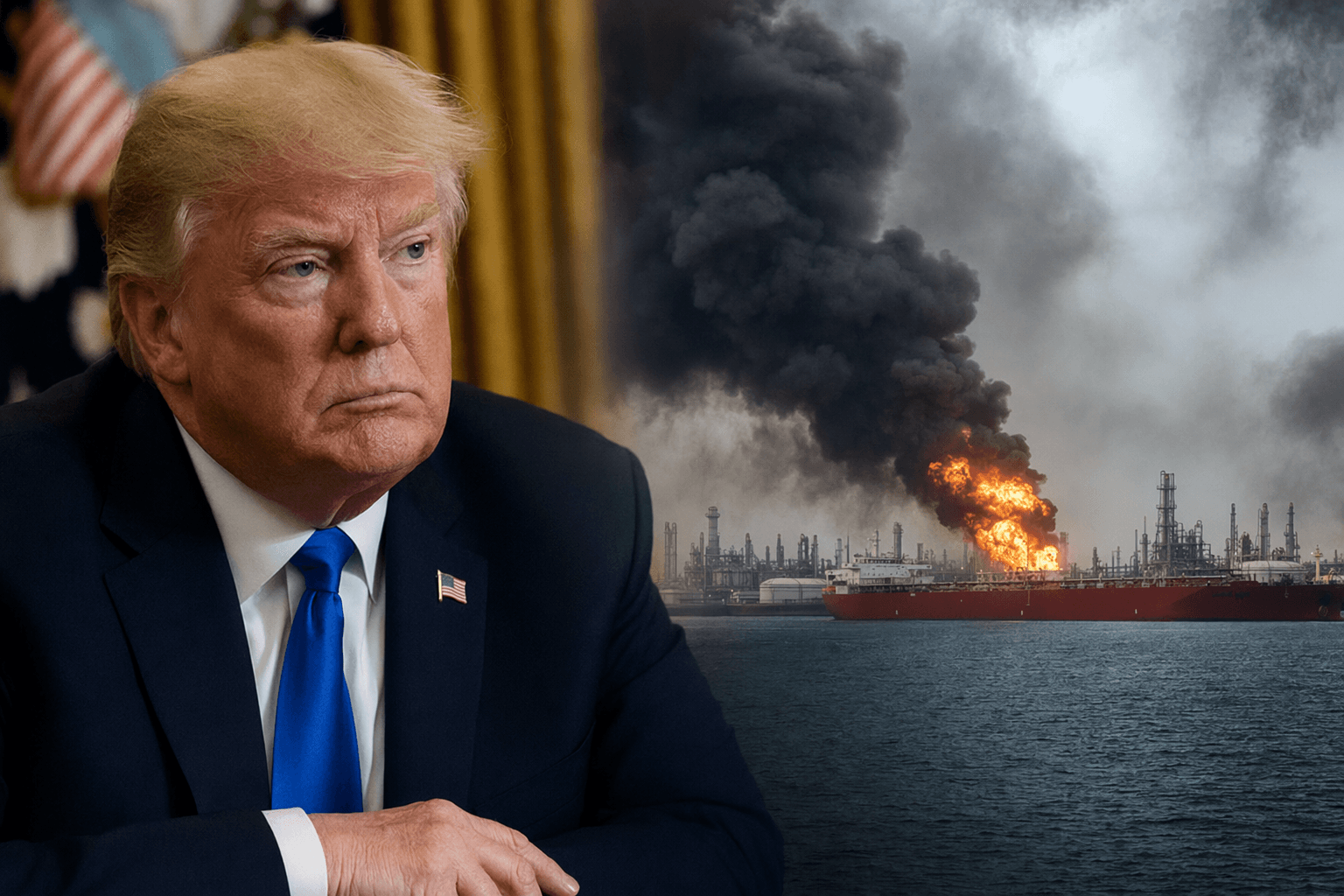
Trump’s rejection of Iran’s response sharpened the test for a fragile ceasefire already being battered by renewed clashes and shipping disruptions around the Strait of Hormuz. The dispute now turns on whether both sides can accept a temporary pause in fighting before tackling the deeper nuclear issue, or whether the talks are already sliding toward breakdown.
The U.S. proposal was described in multiple reports as a phased framework or memorandum that would stop the fighting first and leave the most contentious questions, including Iran’s nuclear program, for later negotiations. Iran’s reply, according to Iranian state media and Reuters reporting, was sent through Pakistani mediators, underscoring that the message was still moving through indirect channels even as the public rhetoric hardened.
Marco Rubio had signaled that Washington wanted something more substantial. On Friday, May 8, in Rome, the secretary of state said the United States expected a response that day and hoped it would be “a serious offer.” He added that he wanted the exchange to lead to “a serious process of negotiation.” That language suggested the White House was still looking for a bargain it could frame as durable, not merely a temporary lull.
By Sunday, May 10, Trump took the opposite view. Posting on Truth Social, he said he had read Iran’s response and called it “TOTALLY UNACCEPTABLE,” without spelling out which terms he had rejected. The public dismissal left open whether the problem was the sequencing, the scope of the ceasefire, or Iran’s insistence on linking any accord to broader regional guarantees.
Iranian state media said Tehran’s response focused on ending hostilities on all fronts, especially in Lebanon, and on maritime security in the Gulf and the Strait of Hormuz. That emphasis pointed to the core sticking points: Iran appeared to want the first phase of negotiations to center on stopping the fighting and securing shipping lanes, while the U.S. wanted a broader structure that could postpone the nuclear dispute until later.
The stakes are high. The Strait of Hormuz normally carries about one-fifth of global oil supply, making any threat to shipping there a direct market and security concern. With the ceasefire already under pressure from clashes in and around the waterway, Trump’s rejection has raised the cost of failure. If the two sides cannot agree on what comes first, a pause in fighting or the bigger political deal, the talks may be exposed as bargaining theater rather than the start of a real settlement.
Know something we missed? Have a correction or additional information?
Submit a Tip

