Trump Rejects Iran's Response to U.S. Peace Proposal as Unacceptable
Trump called Iran’s reply to a U.S. peace draft “totally unacceptable” after Tehran sidestepped the nuclear issue and focused on a ceasefire and Gulf shipping.
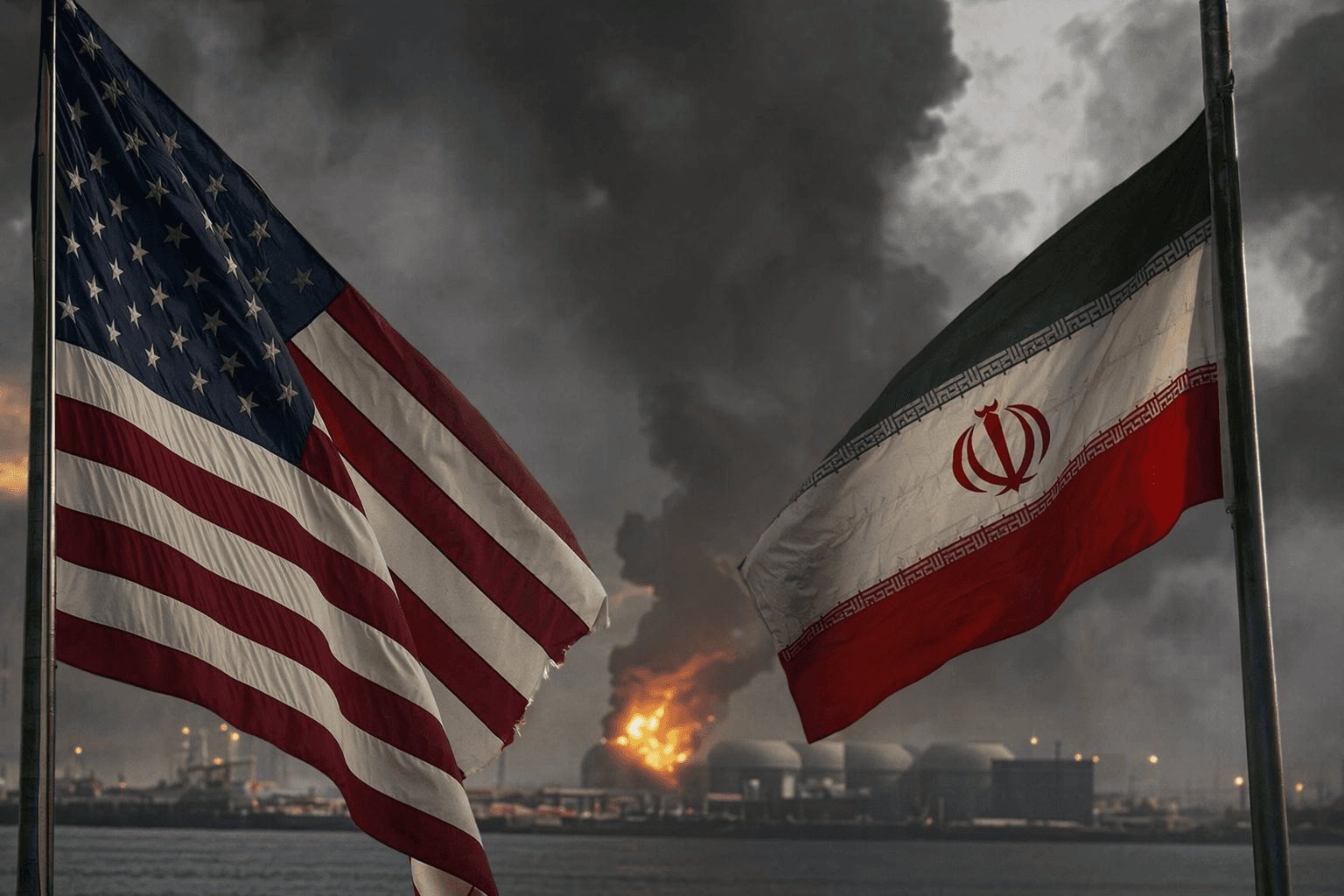
President Donald Trump rejected Iran’s response to the latest U.S. draft agreement, calling it “totally unacceptable” and telling Axios, “I don’t like” the reply. The objection points to a deeper divide than the White House’s public language suggests: Iran appears to be pressing for an initial halt to hostilities and maritime security in the Gulf and the Strait of Hormuz, while the U.S. is still seeking language that confronts the nuclear dispute at the center of the war.
Iran said its answer was sent through Pakistani mediators and framed the first stage of any deal around ending the fighting and protecting shipping lanes. That leaves the nuclear file, still one of the biggest unresolved issues, only partly addressed. The result is a narrow but consequential gap between the two sides, with Washington looking for a temporary memorandum of understanding that would freeze the conflict before a broader treaty, and Tehran pressing to separate a ceasefire from the most sensitive political and security concessions.
The timing is stark. The war has lasted more than two months, damaged Iran and Lebanon, disrupted shipping through the Strait of Hormuz and pushed global energy prices higher. That wider economic shock gives the maritime question unusual leverage in the talks, because any pause in attacks on tankers or commercial vessels could ease pressure far beyond the region even if the broader settlement remains out of reach.
Diplomatic maneuvering continued in parallel. Secretary of State Marco Rubio and White House envoy Steve Witkoff met Qatar’s Prime Minister Mohammed bin Abdulrahman Al Thani in Miami, and he also met Vice President JD Vance, as the administration worked the Gulf back channel. A senior U.S. official also said Trump would likely raise Iran with Chinese President Xi Jinping during Xi’s planned visit to Beijing next week, underscoring how the talks now carry consequences for energy markets, regional security and great-power diplomacy at once.
At the same time, the military backdrop hardened. Iran’s Revolutionary Guard navy warned that any attack on Iranian oil tankers or commercial vessels would bring a “heavy assault” on U.S. bases and ships in the region. Trump also posted an AI-generated image of sunken Iranian warships on Truth Social, a sign that pressure remained part of the negotiating posture even as diplomats kept talking.
The next decision point is clear. If Washington accepts a narrow ceasefire-first framework, U.S. involvement will center on enforcement at sea and crisis management. If it insists on tougher terms, especially around the nuclear program, the talks could stretch while the war continues. If the exchanges collapse, the risk rises of a direct U.S. military role in protecting shipping lanes and deterring strikes across the Gulf.
Know something we missed? Have a correction or additional information?
Submit a Tip

