Trump Restores Hardline Cuba Sanctions, Targets Foreign Banks Doing Business With Regime
Washington tightened Cuba sanctions to squeeze not only Havana, but also foreign banks and firms that keep the island’s state-linked economy moving.
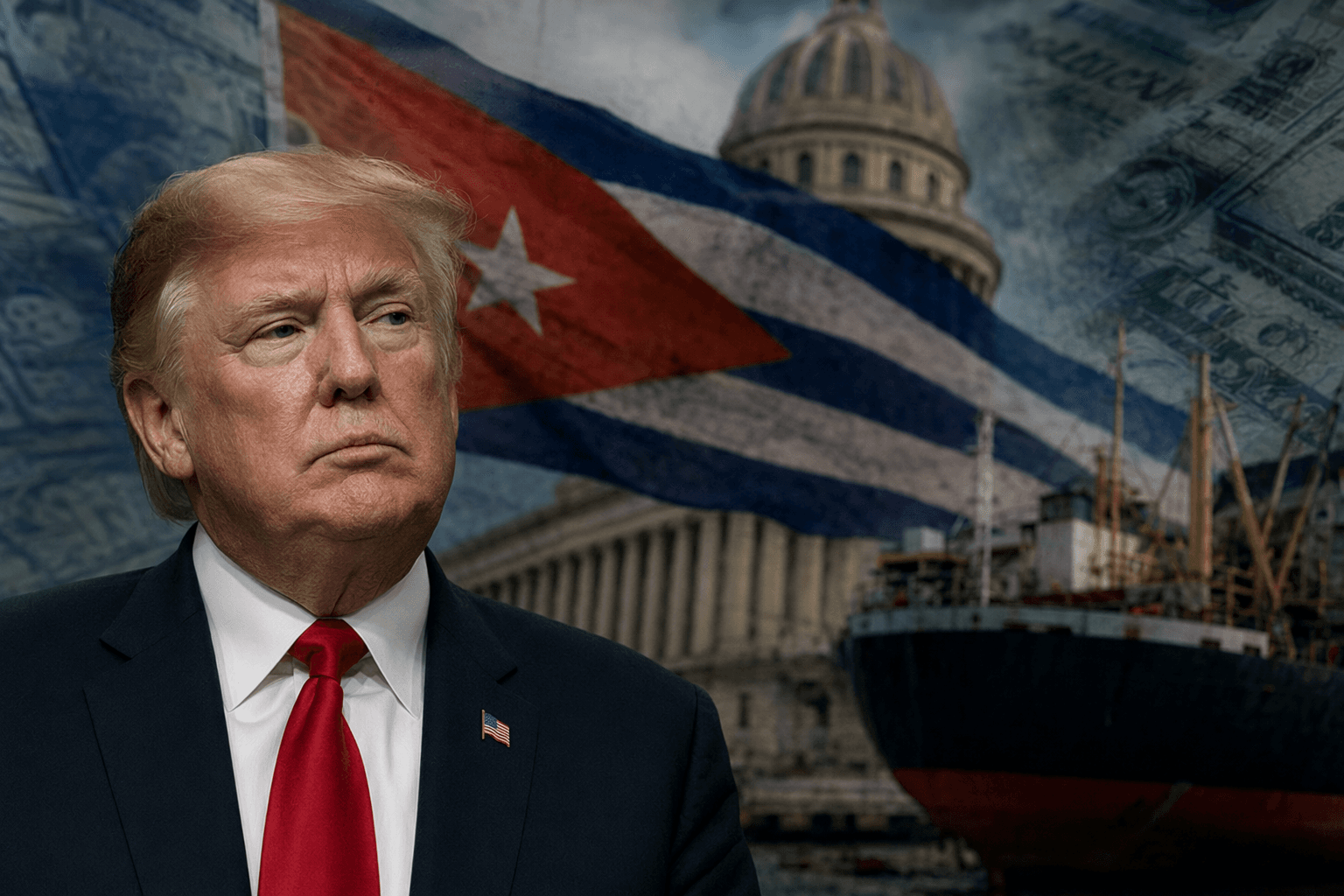
Foreign banks and multinational companies now face a sharper choice: keep doing business with Cuba’s state-linked economy, or risk losing access to U.S. markets. The Trump administration’s latest Cuba memorandum, signed by Donald J. Trump on June 30, 2025, restored and strengthened the hardline approach from his first term while reversing Biden-era easing.
The White House said the policy was meant to end economic practices that benefit the Cuban government, military, intelligence, or security agencies, and to promote human rights, free enterprise, and national security. That framing matters because the sanctions are not aimed only at Havana. Analysts said the move widened secondary-sanctions risk for non-U.S. banks and companies, effectively extending Washington’s enforcement reach beyond U.S. borders whenever they handle significant transactions tied to Cuban state entities.

The State Department updated its Cuba Restricted List after the memorandum, and as of July 14, 2025, it identified entities and subentities associated with Cuba’s military, intelligence, or security services. Direct financial transactions with those entities are generally prohibited. The policy sits on top of a broader embargo that dates to February 1962, when President John F. Kennedy proclaimed the U.S. trade ban on Cuba. The message from Washington is that the island’s economy will be pressured through every available channel, including financial intermediaries, not just through direct U.S.-Cuba commerce.
Cuba’s Foreign Ministry rejected the memorandum on July 1 and 2, 2025, calling it a reissue of the 2017 version and denouncing both as an anti-Cuban document and a blockade against the island. That clash is likely to complicate already fragile diplomacy between Washington and Havana, where the policy is being cast as a national security response to a government the United States says also hosts hostile foreign actors. It also raises the stakes for allies in Latin America and Europe, where banks and firms with Cuban exposure may have to decide whether Cuban ties are worth the risk of alienating U.S. regulators.
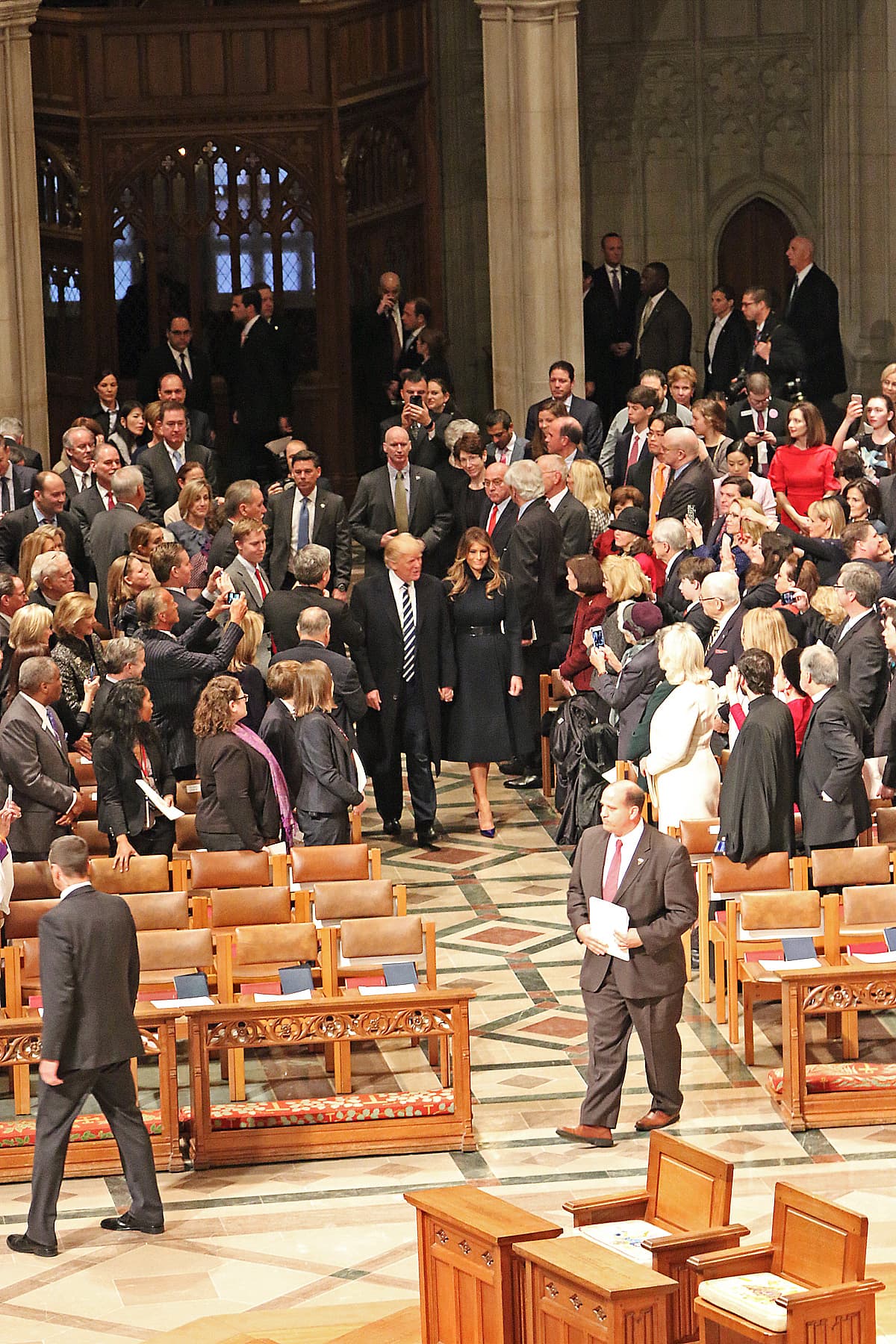
The fallout is likely to reach beyond boardrooms. Tighter compliance could affect the channels that carry remittances to Cuban families and make banks more cautious about trade finance, tourism-linked payments, oil dealings, and other indirect flows. In Florida, where Cuba policy has long carried political weight, the administration is signaling that pressure on Havana will remain a national issue, one tied as much to migration politics and domestic enforcement as to foreign policy.
This article was produced by Prism’s automated news system from verified source data, official records, and press releases, then run through automated quality and moderation checks before publishing. The system is built and supervised by the people who set the standards it runs under. Read our full AI policy.
Did this article answer your question?

