Trump reviews Iran peace proposal, tensions rise over nuclear demands
Trump signaled he may reject Tehran’s offer, leaving nuclear limits and U.S. force threats as the decisive test of whether diplomacy or escalation comes next.

Trump’s latest warning to Iran sharpened the stakes around a peace proposal that still leaves the core dispute unresolved: nuclear restraints. As he reviewed Tehran’s new offer, Trump said Iran had “not yet paid a big enough price,” signaling that Washington’s posture remains coercive even as talks continue.
The proposal now under review is a 14-point plan from the Iranian government, sent as a counter-response to an earlier nine-point U.S. proposal. It seeks de-escalation in the Gulf, guarantees against future attacks, a withdrawal of U.S. forces from the vicinity of Iran, the lifting of the U.S. blockade on Iranian ports and the removal of sanctions. But the central sticking point remains whether Iran will accept meaningful limits on its nuclear program, and Trump has already signaled doubt that the latest offer is acceptable.
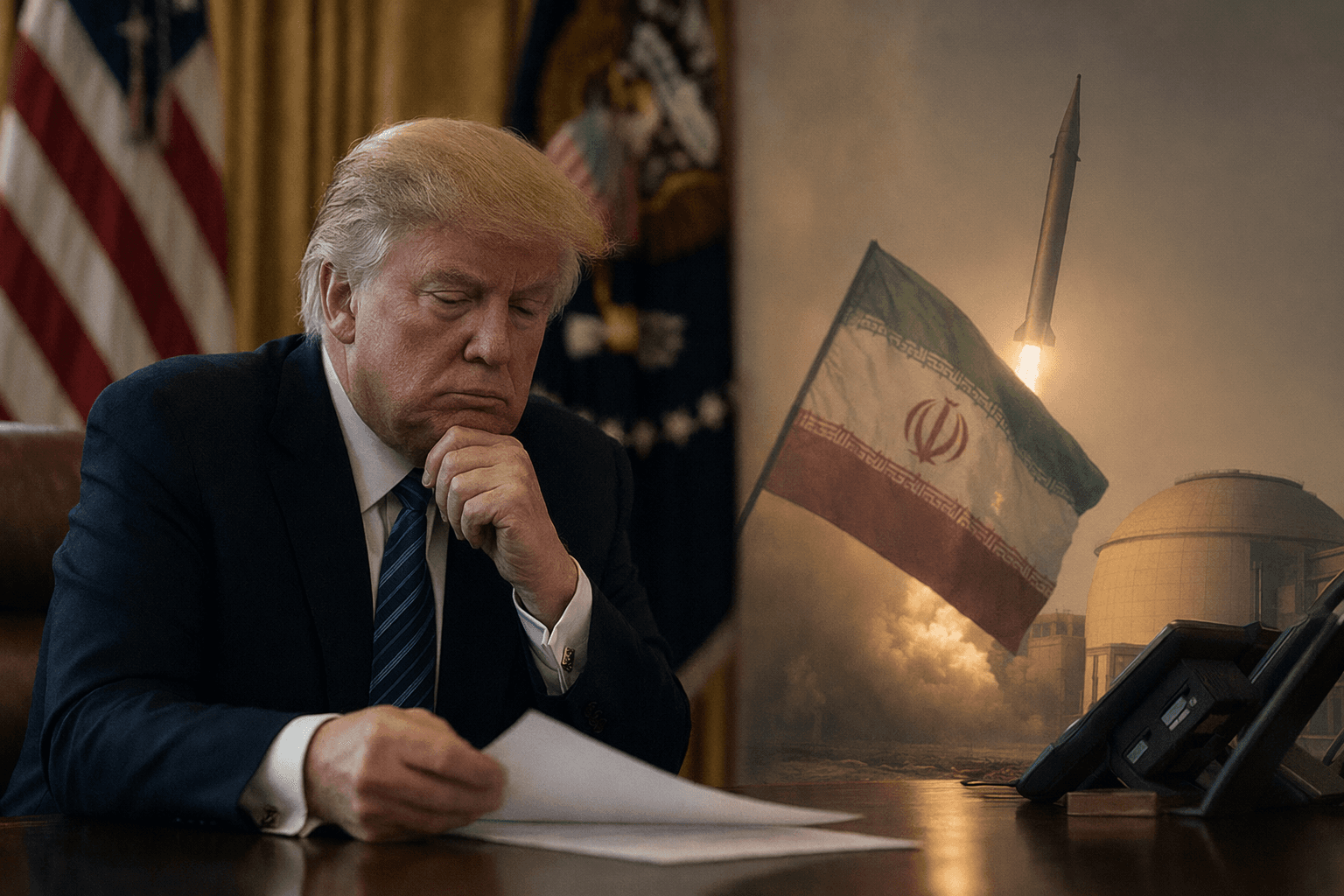
That makes the negotiations a test not just of diplomacy but of leverage. If Washington insists on nuclear restraints while Tehran demands sanctions relief and security guarantees first, the talks may move toward another round of confrontation rather than settlement. Trump’s warning that the United States could restart air strikes if Iran “misbehaves” suggests the administration is keeping military pressure on the table while it evaluates whether talks can produce terms it can sell as a win.
The risk is not abstract. CNN’s live coverage has noted that a majority of U.S. military sites in the Middle East were damaged by Iran, a reminder that any renewed fighting would expose American forces and installations across the region. Iran, meanwhile, is preparing for the possibility of renewed conflict after Trump rejected the latest proposal from Tehran. That posture makes the next move from both capitals more consequential: a hard line could invite more strikes, more damage and a deeper regional crisis.
The proposal also frames the wider political tradeoff for Trump. Accepting a deal that brings sanctions relief and de-escalation but leaves unresolved nuclear concerns could draw criticism for conceding too much. Rejecting it risks prolonging a conflict that can spread beyond Iran, rattle oil routes through the Gulf and put fresh pressure on Congress over the scope of presidential war powers.
Trump’s own rhetoric has only widened the gap. On March 2, he said the United States was “knocking the crap” out of Iran and that the “big wave” was still to come. His latest comments keep that posture alive. Whether the administration now moves toward an enforceable settlement or back toward airstrikes will turn on one question: what, exactly, counts as acceptable enough to stop the fighting.
This article was produced by Prism’s automated news system from verified source data, official records, and press releases, then run through automated quality and moderation checks before publishing. The system is built and supervised by the people who set the standards it runs under. Read our full AI policy.
Did this article answer your question?