Trump revives maximum pressure on Iran as nuclear talks stall
Washington is reviving sanctions pressure on Iran just after a tentative Hormuz deal left Tehran’s nuclear future unresolved and pushed the hardest questions into a 60-day window.

The Trump administration is reviving maximum pressure on Iran just weeks after U.S. and Iranian officials said they had reached a preliminary agreement to end the war and reopen the Strait of Hormuz. That framework left Tehran’s nuclear program for later negotiations and followed more than three months of stop-start talks and fighting, raising a basic question: why would coercion and bombing produce a different result now?
A senior Iranian official said the draft memorandum included an oil sanctions waiver, nuclear limits and the release of assets. Other accounts said the framework set a 60-day period for a final nuclear accord, a narrow window for diplomacy after months of battlefield pressure and emergency talks. The deal eased immediate market fears, but it did not settle the hardest issue in the dispute, how to limit Iran’s nuclear program and verify those limits after repeated attacks on nuclear sites.
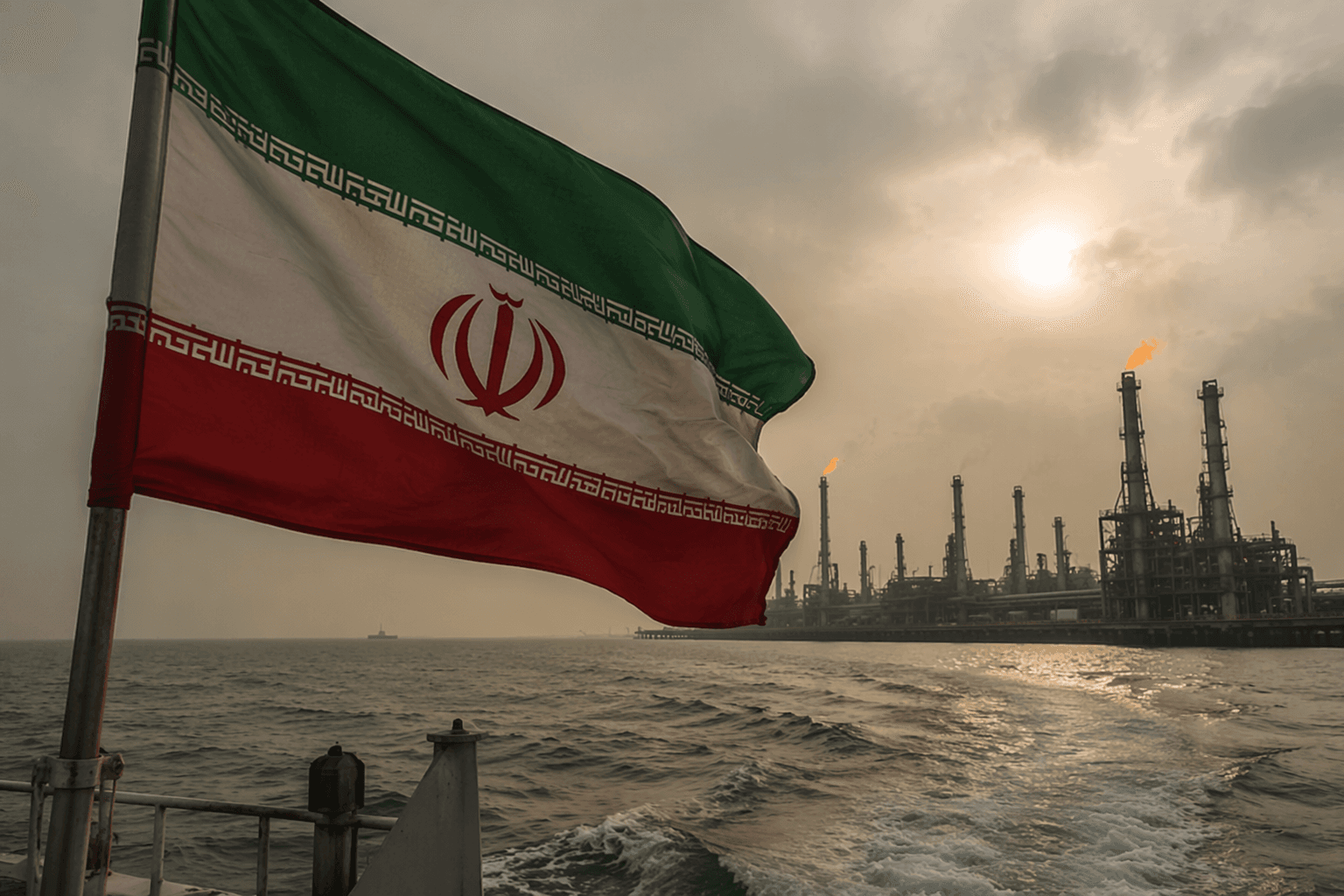
The State Department says the Trump administration’s maximum-pressure campaign seeks to deny Iran revenue, curb its ballistic missile and nuclear programs, and drive down oil revenues. That keeps sanctions at the center of U.S. policy even as the administration tries to keep a diplomatic channel open. The result is a familiar pattern: military pressure creates urgency, tentative diplomacy opens a path, then renewed coercion returns before a durable settlement takes hold.
The International Atomic Energy Agency has warned that attacks on nuclear sites in Iran degraded nuclear safety and security, and its board voted in June 2025 amid widening concern over Iran’s safeguards compliance. Rafael Mariano Grossi’s agency has continued to track the fallout from the strikes, while the Strait of Hormuz remains the strategic pressure point in the background, with about 20 million barrels a day normally transiting the waterway. Any renewed escalation would put that chokepoint, and global oil flows, back at risk.
That is why the administration’s current approach looks less like a plan than a replay. If sanctions and military strikes were meant to force a breakthrough before, the White House still has not shown what concrete endgame it expects, what off-ramp it is offering, or what measurable objectives would prove that repeating escalation will work this time.
This article was produced by Prism’s automated news system from verified source data, official records, and press releases, then run through automated quality and moderation checks before publishing. The system is built and supervised by the people who set the standards it runs under. Read our full AI policy.
Did this article answer your question?