Trump says Americans' finances not a factor in Iran war deal
Trump said Americans’ finances were “not even a little bit” of a factor as inflation hit 3.8% and the Iran war had already cost $29 billion.
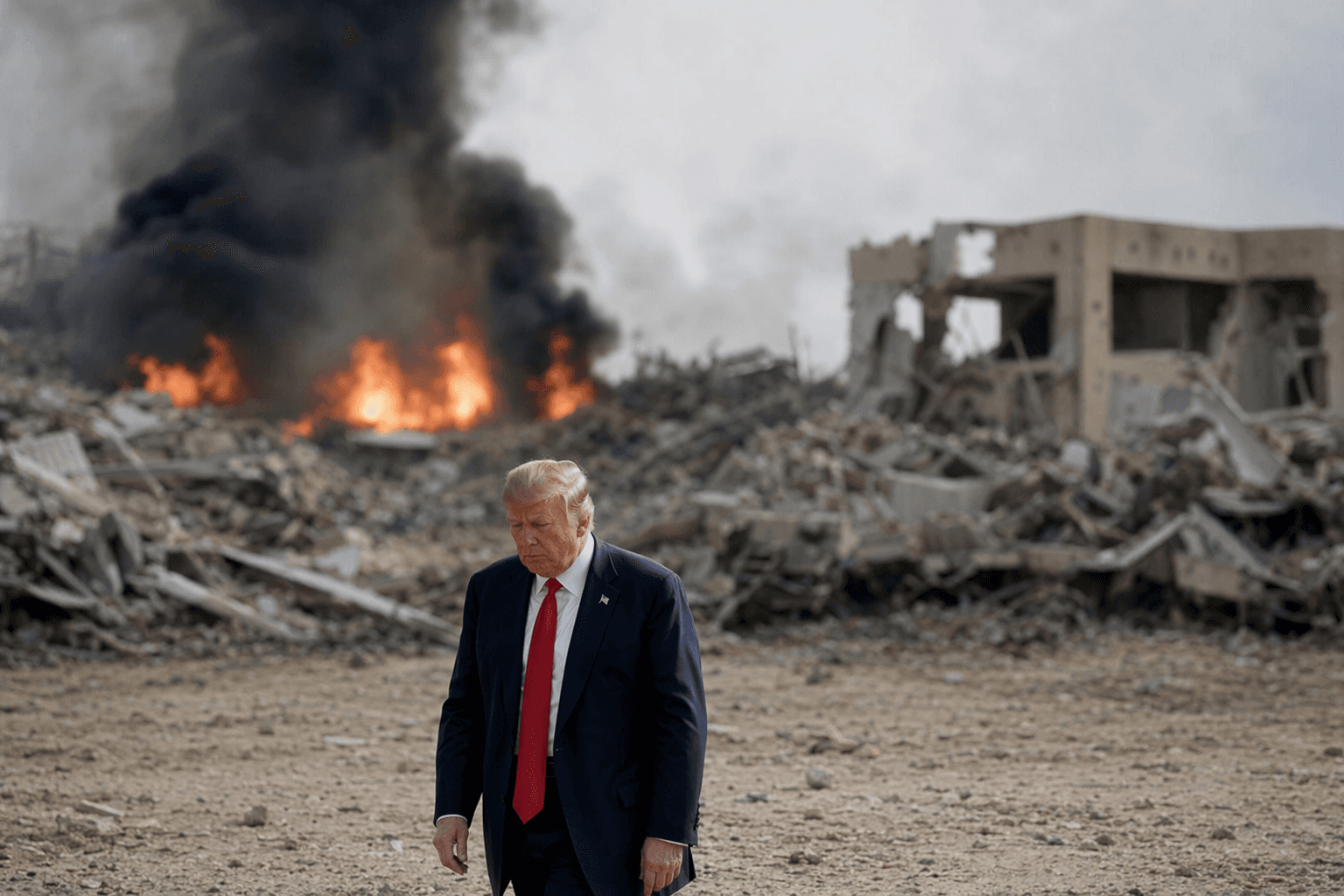
President Donald Trump brushed aside household finances as he defended his push to end the war in Iran, saying Americans’ money troubles were “not even a little bit” of a motivating factor. Before leaving the White House South Lawn for a trip to China, Trump said, “I don’t think about Americans’ financial situation,” and insisted the only issue that matters is keeping Iran from getting a nuclear weapon.
The remarks landed while inflation was still biting. The Consumer Price Index rose 3.8% in April from a year earlier, the fastest annual increase since May 2023, according to the U.S. Bureau of Labor Statistics. Energy prices climbed 3.8% in the month and accounted for more than 40% of the overall monthly rise, underscoring how the war’s fallout is intersecting with already elevated household costs.

Public skepticism around Trump’s rationale remains sharp. A Reuters/Ipsos poll completed on May 11 found that two out of three Americans said Trump has not clearly explained why the United States went to war with Iran. The survey also pointed to deep concern over surging gasoline prices, a reminder that foreign policy is being judged through the lens of kitchen-table economics as much as national security.
The war is also exacting a direct cost on the federal government. Pentagon comptroller Jay Hurst testified that the conflict had cost the United States about $29 billion so far. That figure adds another layer to the political strain around a war that has not yet produced a final settlement, even after more than a month of a tenuous ceasefire.
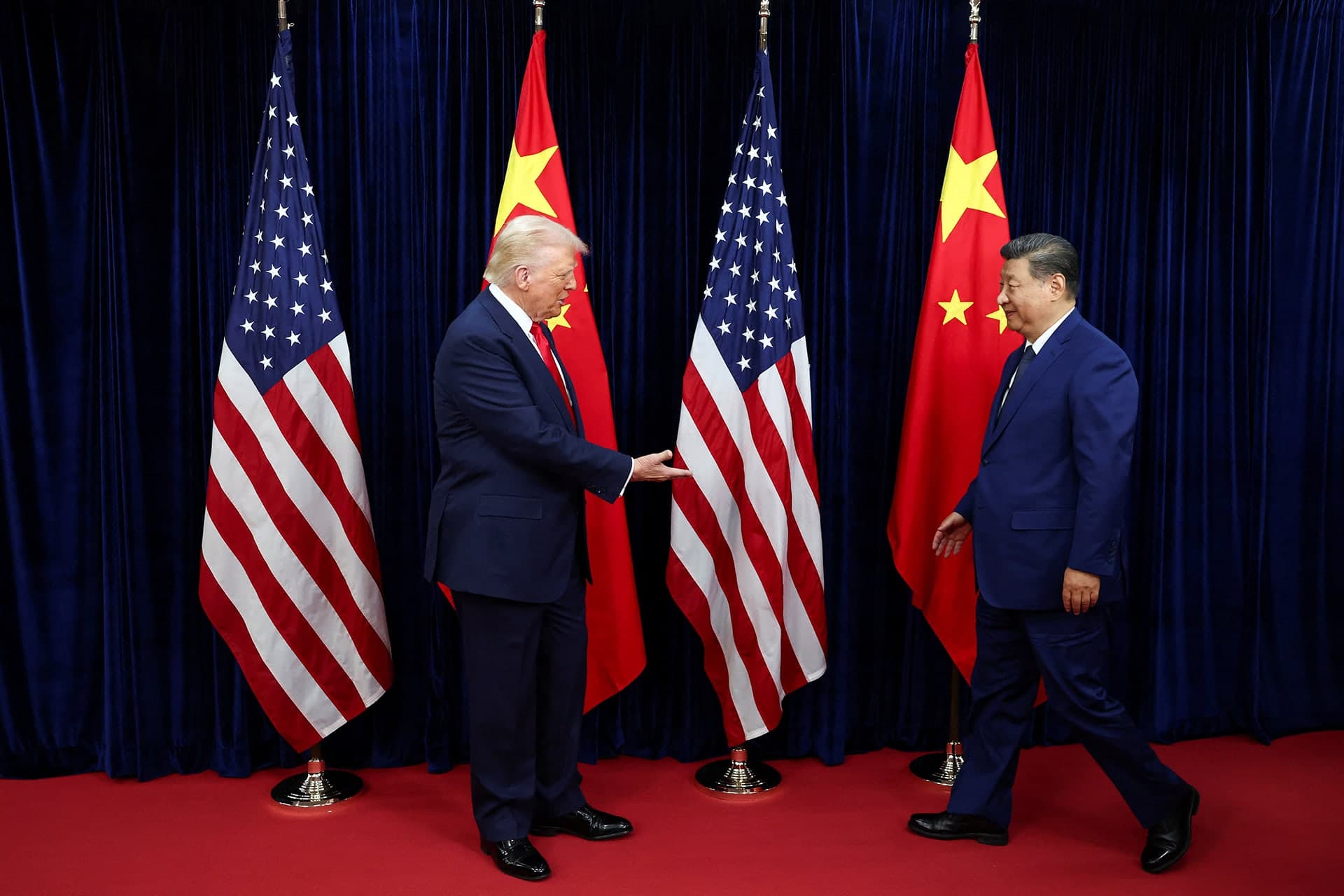
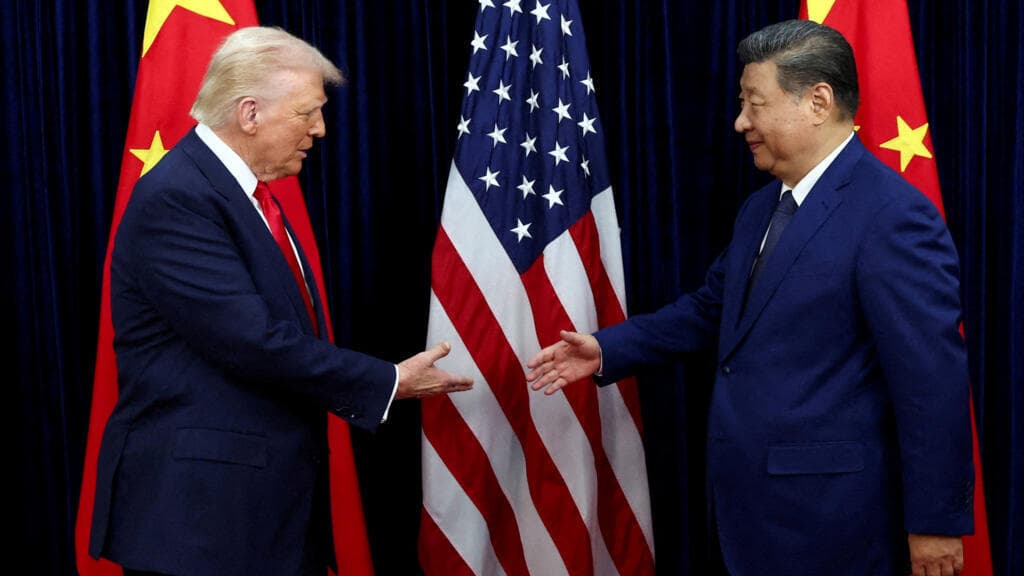
Trump was headed to Beijing for high-stakes talks with Chinese President Xi Jinping, and Washington has been pressing China to use its influence with Iran as Tehran tightens its grip on the Strait of Hormuz, the chokepoint that normally carries about one-fifth of the world’s oil supply. Trump had recently rejected Iran’s latest response to a U.S. peace proposal as “totally unacceptable,” and had earlier said the ceasefire was “on life support.” More than a month after it took effect, the two sides still had made no progress on a final agreement, leaving Trump to sell a war-ending deal abroad while Americans absorb the costs at home.
Know something we missed? Have a correction or additional information?
Submit a Tip