Trump says ceasefire extension unlikely, pressures Iran for nuclear deal
Trump’s warning that an extension is “highly unlikely” put the Iran ceasefire on a hard clock, jacking up oil risk and forcing a choice on nuclear concessions.
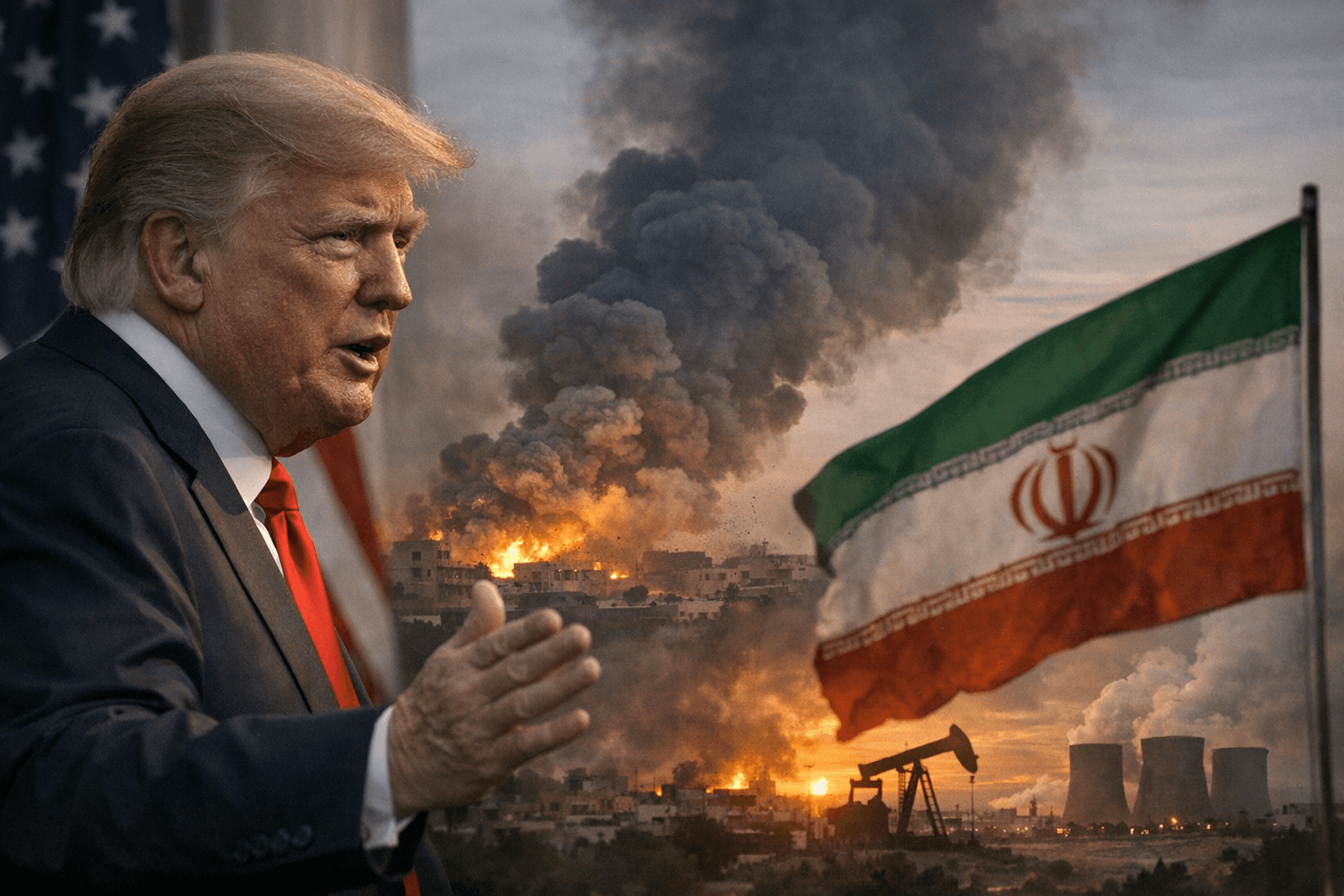
Trump turned the ceasefire clock into a blunt instrument on Sunday, saying any extension was “highly unlikely” as he pressed the Iranian regime toward a nuclear deal. The message sharpened an already fragile standoff: the pause was set to end Wednesday evening in Washington, and the closer that deadline gets, the less room negotiators have to hedge, delay or trade time for promises.
The truce was announced on April 7 as a two-week ceasefire, after an eleventh-hour ultimatum tied to Iran reopening the Strait of Hormuz, the narrow waterway that carries a large share of global oil traffic. In practical terms, “unlikely to extend” means Trump appears willing to let the ceasefire lapse rather than grant Tehran more breathing room without a concrete nuclear agreement. That raises the stakes for both sides, because it turns the deadline itself into leverage and removes the buffer that usually keeps talks alive.
The pressure point is clear: Trump wants a new deal that he says would be better than the 2015 Iran nuclear agreement he withdrew the United States from during his first term. For Iran, that suggests concessions would have to go beyond general assurances. Tehran would likely need to show movement on the nuclear file and the Strait of Hormuz dispute, the central sticking point in the standoff. Iran has not made a decision on further talks, and deep mistrust remains.
The diplomatic picture remained unsettled as the deadline approached. Reuters reported that Vice President JD Vance had not yet departed for Pakistan, where a second round of talks in Islamabad had been discussed, and the prospects for another meeting remained unclear. Steve Witkoff and Jared Kushner were also expected to be involved. Trump said the United States was not under pressure and insisted a deal could come quickly, but the uncertainty around travel and timing suggested otherwise.
Markets have already treated the threat as real. Oil prices rose sharply as the Strait of Hormuz remained effectively closed during the standoff, underscoring how quickly a political deadline can ripple through global energy flows. For allies and trading partners watching from the sidelines, the signal is unmistakable: Trump is trying to force a faster bargain, but the longer he waits, the more he risks narrowing his own diplomatic options if Tehran calls the bluff.
This article was produced by Prism’s automated news system from verified source data, official records, and press releases, then run through automated quality and moderation checks before publishing. The system is built and supervised by the people who set the standards it runs under. Read our full AI policy.
Did this article answer your question?


