Trump says Cuba is asking for help, U.S. will talk
Trump said Cuba was asking for help and the U.S. would talk, hinting at a possible shift even as Washington keeps tightening sanctions.
Donald Trump signaled a possible opening with Cuba on Tuesday, writing on Truth Social that the island was asking for help and that the United States would talk. The post was brief, but it landed at a moment when Washington has already been pressuring Havana harder through sanctions, travel limits and financial restrictions.
Trump added that no Republican had ever spoken to him about Cuba and described the country as a failed state headed only one way: down. He gave no detail on what kind of help Cuba wanted, whether he was referring to humanitarian relief, migration, sanctions or a broader diplomatic reset. The White House and the State Department did not immediately respond, and Havana was not immediately reachable.
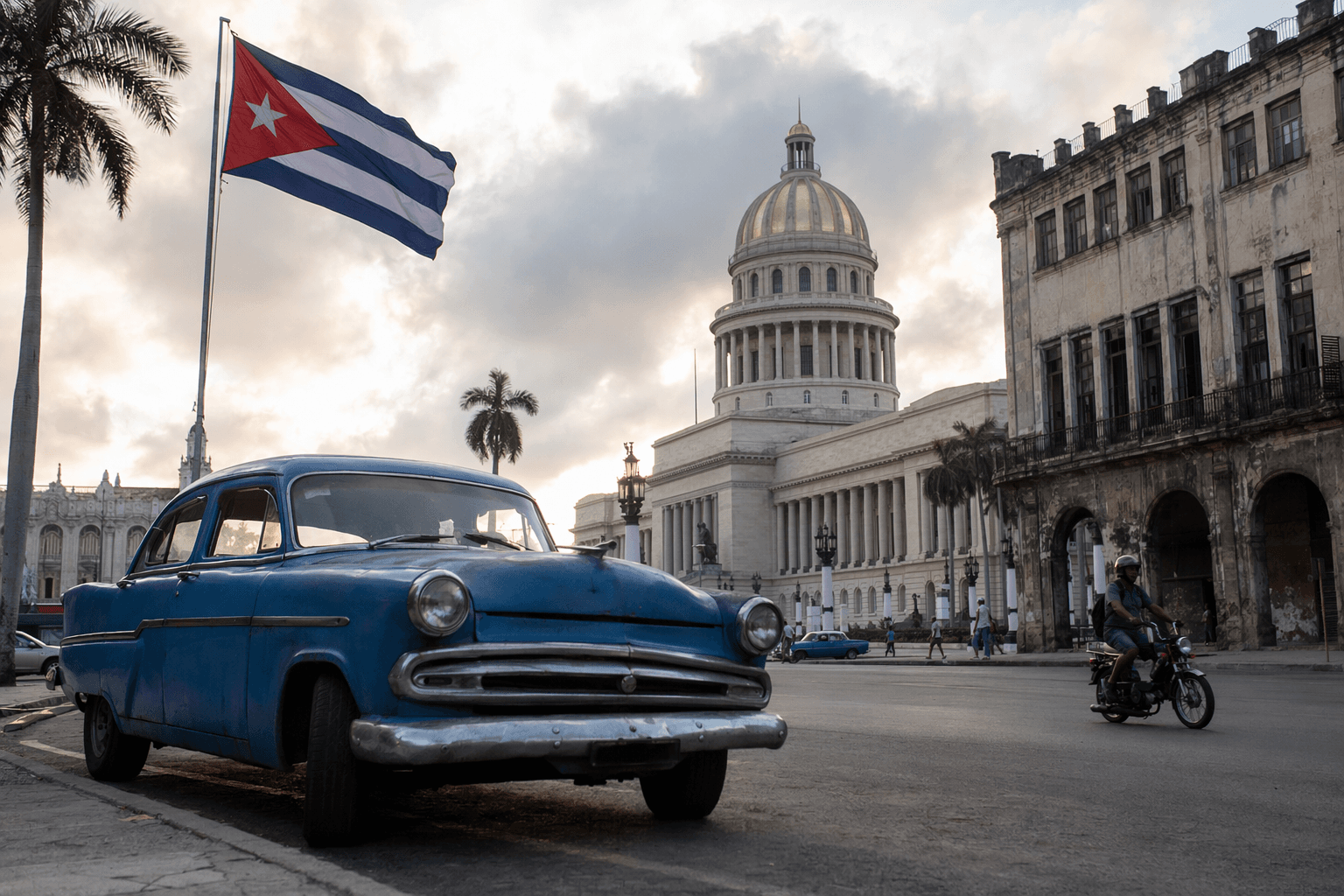
The comment stood out because it came after weeks of already-public contact between the two governments. On March 13, Cuban President Miguel Díaz-Canel said Cuba had opened talks with the U.S. government, saying the discussions were meant to find solutions through dialogue to bilateral differences. That earlier outreach came as Cuba faced a severe economic crisis, widespread power cuts and an oil blockade that had left the island without oil shipments for three months.
Even before Trump’s latest post, the pressure campaign was intensifying. On May 1, he signed Executive Order 14404, which imposed sanctions on people responsible for repression in Cuba and for threats to U.S. national security and foreign policy. On May 7, the State Department announced sanctions targeting GAESA, the military-linked conglomerate at the center of Cuba’s economy. Treasury’s Office of Foreign Assets Control said the order adds new steps tied to the national emergency declared in January.
The policy backdrop also remains restrictive in practical terms. State Department guidance says travel to Cuba for tourist activities is still prohibited by U.S. statute, and U.S. credit and debit cards do not work on the island. That leaves any shift toward talks with immediate consequences for remittances, travel, energy access and Cuba’s cash-strapped economy.
Trump’s remark also fits a broader regional pressure strategy. Earlier this year, he warned Cuba was next after the U.S. military seized the leader of longtime Cuban ally Venezuela, Nicolás Maduro. Taken together, the signals leave Havana facing two very different possibilities: a narrow opening for dialogue or another round of coercion dressed in diplomatic language.
This article was produced by Prism’s automated news system from verified source data, official records, and press releases, then run through automated quality and moderation checks before publishing. The system is built and supervised by the people who set the standards it runs under. Read our full AI policy.
Did this article answer your question?