Trump Says He Wants to Seize Iran's Oil, Eyes Kharg Island Takeover
Trump said U.S. forces could seize Iran's Kharg Island 'easily.' Analysts warn retaliation could torch Gulf energy infrastructure from Saudi Arabia to Kuwait.

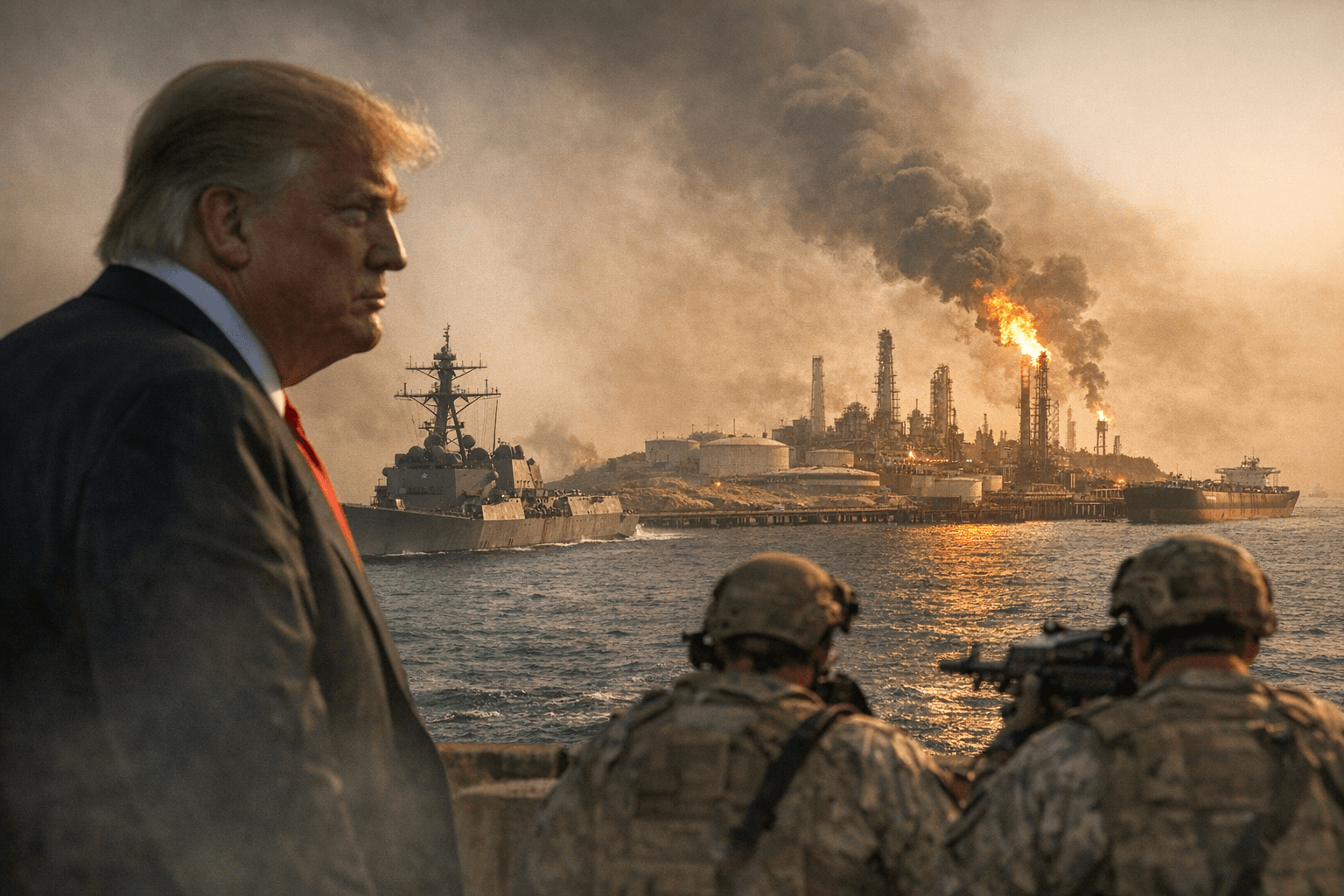
Ninety percent of Iran's crude oil flows out of a single coral island in the northeastern Persian Gulf, roughly 1.5 million barrels every day destined almost entirely for China. On Sunday, Donald Trump told the Financial Times his forces could take it "easily."
Analysts who study Persian Gulf energy infrastructure reached a different conclusion.
Trump's remarks, reported by The Guardian citing the FT interview published March 29, were unambiguous: "To be honest with you, my favourite thing is to take the oil in Iran, but some stupid people back in the US say: 'why are you doing that?' But they're stupid people." He compared the prospective seizure to US moves in Venezuela, where he claimed the United States intended to control the oil industry "indefinitely" following the ousting of Nicolás Maduro in January.
Kharg Island is why that statement carries such weight. The island processes and exports the overwhelming majority of Iranian crude, sitting in the shallow northern reaches of the Persian Gulf where its deep-water jetties can accommodate tankers that carry oil to Asian markets. Iran's backup export terminal at Jask, located south of the Strait of Hormuz, can handle roughly one-fifth of Kharg's volume, according to commodity analysts. Even a partial disruption would sharply cut Tehran's revenue and its capacity to supply China.
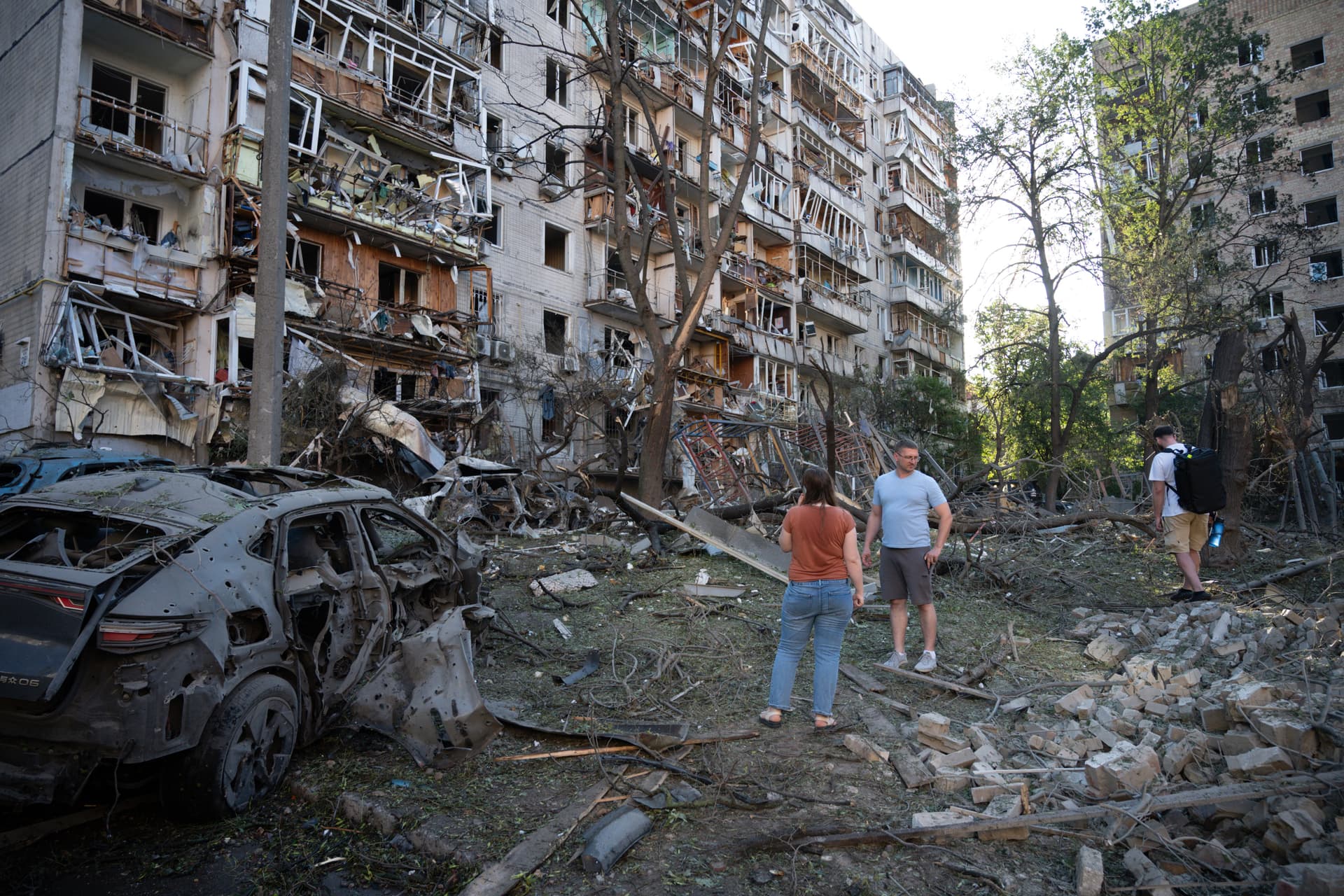
The military feasibility is the first contested variable. The Pentagon has ordered thousands of paratroopers to the region, and a former CENTCOM commander told The Hill that the US military has been developing Iran ground raid plans for years. Iran has reportedly begun moving additional forces to the island in anticipation. Energy analyst David Goldwyn, cited in NPR reporting published March 26, warned that an assault on Kharg's processing infrastructure "would likely lead to retaliatory strikes by Iran on processing infrastructure in other countries in the Gulf," putting Saudi, Emirati, and Kuwaiti facilities directly at risk.
The economic fallout from that retaliation would be immediate and global. War-risk insurance premiums for tankers in the northern Persian Gulf have surged since the conflict began. Any Iranian counter-strike on Gulf Arab energy facilities would reprice energy markets upward across the board. The BBC reported that when Trump simply postponed threatened strikes on Iranian power plants for five days, oil and gas prices fell immediately, illustrating how sensitive markets remain to every White House statement.
There is also a legal dimension Trump's Venezuela analogy does not resolve. Seizing a sovereign state's oil infrastructure and operating it for economic gain would place the United States in direct conflict with the laws of war governing the exploitation of occupied territory, a framework the international community has spent decades reinforcing.
The broader conflict backdrop underscores how far the operation has already escalated. Adm. Brad Cooper, head of US Central Command, said this week that the United States has struck more than 10,000 targets since the war began. Trump himself claimed 3,500 additional Iranian targets remained and would be finished "done pretty quickly," though he made those remarks at a Saudi sovereign wealth fund conference in Miami Beach on Friday even as an Iranian missile struck a US air base in Saudi Arabia, injuring at least 12 Americans, two of them seriously, according to US officials.
Diplomatic signals are equally tangled. CNN reported Trump claiming Iran had agreed to "most of" US demands. Iran's parliament speaker denied any talks had taken place at all, calling such reports "fake news" designed to "manipulate" oil markets.
The gap between "easily" and the operational reality on the ground may be exactly what Tehran is counting on.
This article was produced by Prism’s automated news system from verified source data, official records, and press releases, then run through automated quality and moderation checks before publishing. The system is built and supervised by the people who set the standards it runs under. Read our full AI policy.
Did this article answer your question?