Trump Says Iran Deal Could Come Quickly as Hormuz Crisis Deepens
Trump said a deal with Iran could come quickly, even as attacks on ships and seafarer deaths mount around Hormuz, the choke point for 20 million barrels a day.
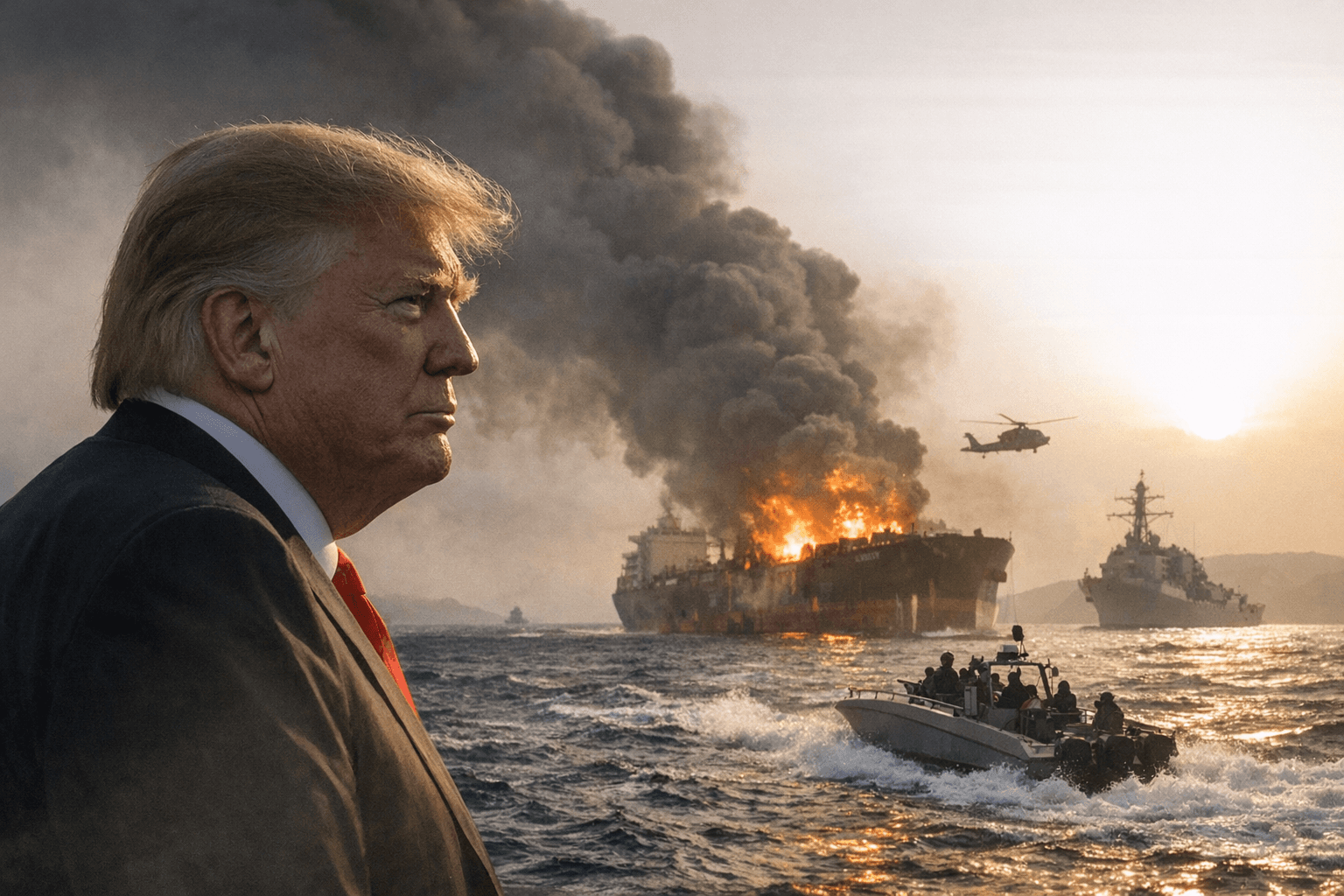
Donald Trump is weighing an Iran deal against a maritime crisis that now threatens one of the world’s most fragile energy corridors. The Strait of Hormuz, only 29 nautical miles wide at its narrowest point, carries two 2-mile shipping lanes and a 2-mile buffer zone, yet it still moved about 20 million barrels a day of crude oil and oil products in 2025.
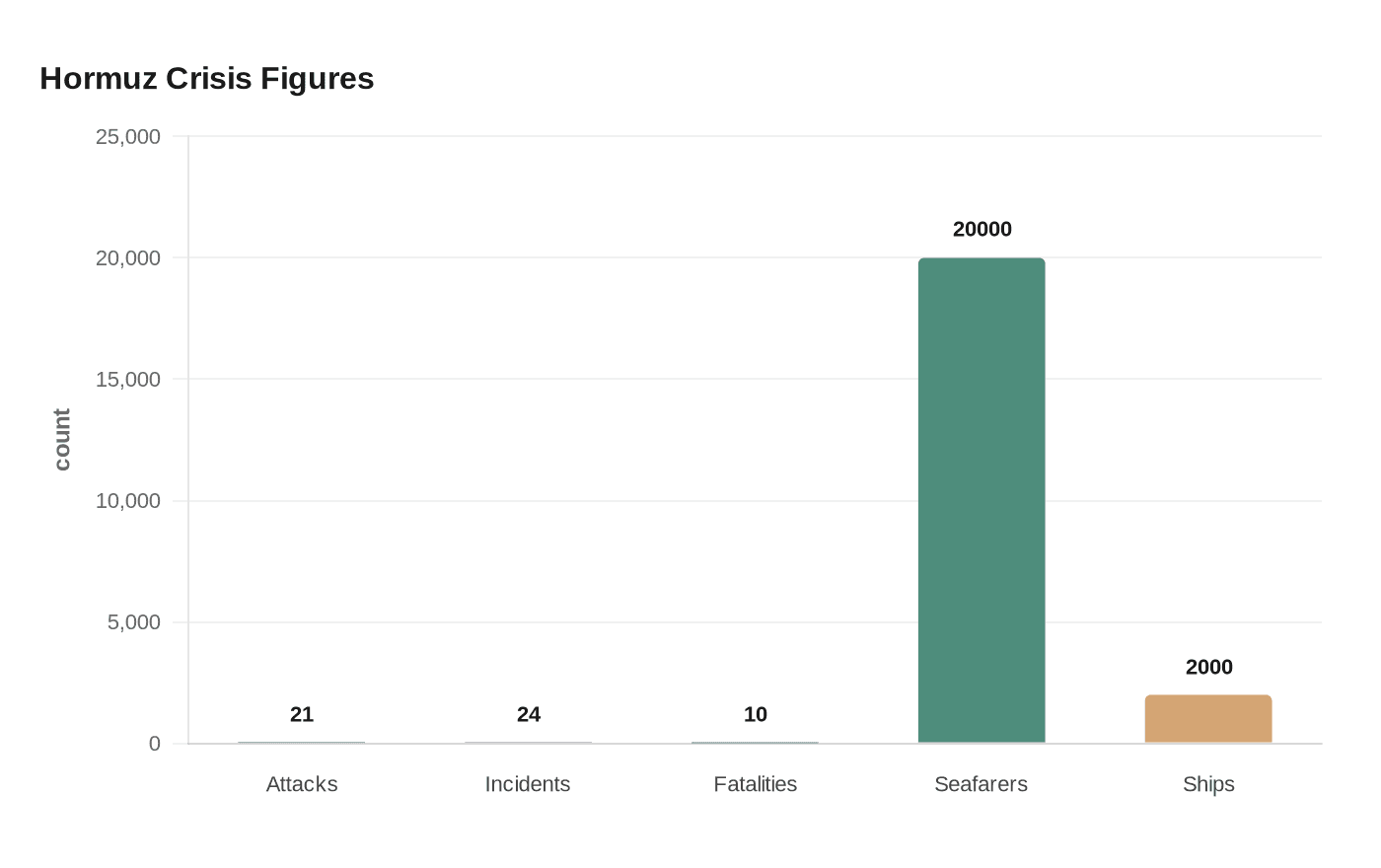
That volume makes the waterway a global pressure point, and the danger is no longer theoretical. The International Maritime Organization said on April 2 that it had confirmed 21 attacks on commercial ships since February 28, with 10 seafarer fatalities and several injuries. By April 19, the IMO incident tracker listed 24 confirmed incidents in the Strait of Hormuz and the wider Middle East. United Nations reporting said around 20,000 civilian seafarers remained aboard roughly 2,000 ships stranded in the Persian Gulf.
Trump said Monday an agreement with Iran could come quickly, but he also said he felt “no pressure” to strike a deal. That leaves the central question unresolved: whether diplomacy can stabilize the sea lane before more ships, and the broader oil market, pay the price. The U.S. Energy Information Administration says the strait has carried about one-fifth of global petroleum liquids consumption, while UNCTAD says it carries around a quarter of global seaborne oil trade.
Tehran is signaling that access to the strait is a bargaining chip. Reuters reported that a senior Iranian official said ships crossing Hormuz would need coordination with Iran’s Islamic Revolutionary Guard Corps, and that unfreezing Iranian funds was part of the deal. Iran’s foreign minister also said the strait was open after a ceasefire accord, underscoring how quickly the narrative can shift from restraint to leverage.
The political and commercial stakes are now converging on the same narrow passage. The IMO has urged governments to back diplomacy and humanitarian corridors, warning that fragmented responses are not enough. Analysts say even if the waterway reopens fully, oil prices may ease only partly, because shipping companies are likely to keep a wary distance until the security picture improves. In Hormuz, the next trigger could be a single incident, a single order, or a single failure in the ceasefire that turns brinkmanship into disruption.
This article was produced by Prism’s automated news system from verified source data, official records, and press releases, then run through automated quality and moderation checks before publishing. The system is built and supervised by the people who set the standards it runs under. Read our full AI policy.
Did this article answer your question?