Trump says Iran deal will be signed Sunday, Tehran disputes timing
Trump said the Iran deal would be signed Sunday and Hormuz reopened at once, but Tehran said the timing was not settled.
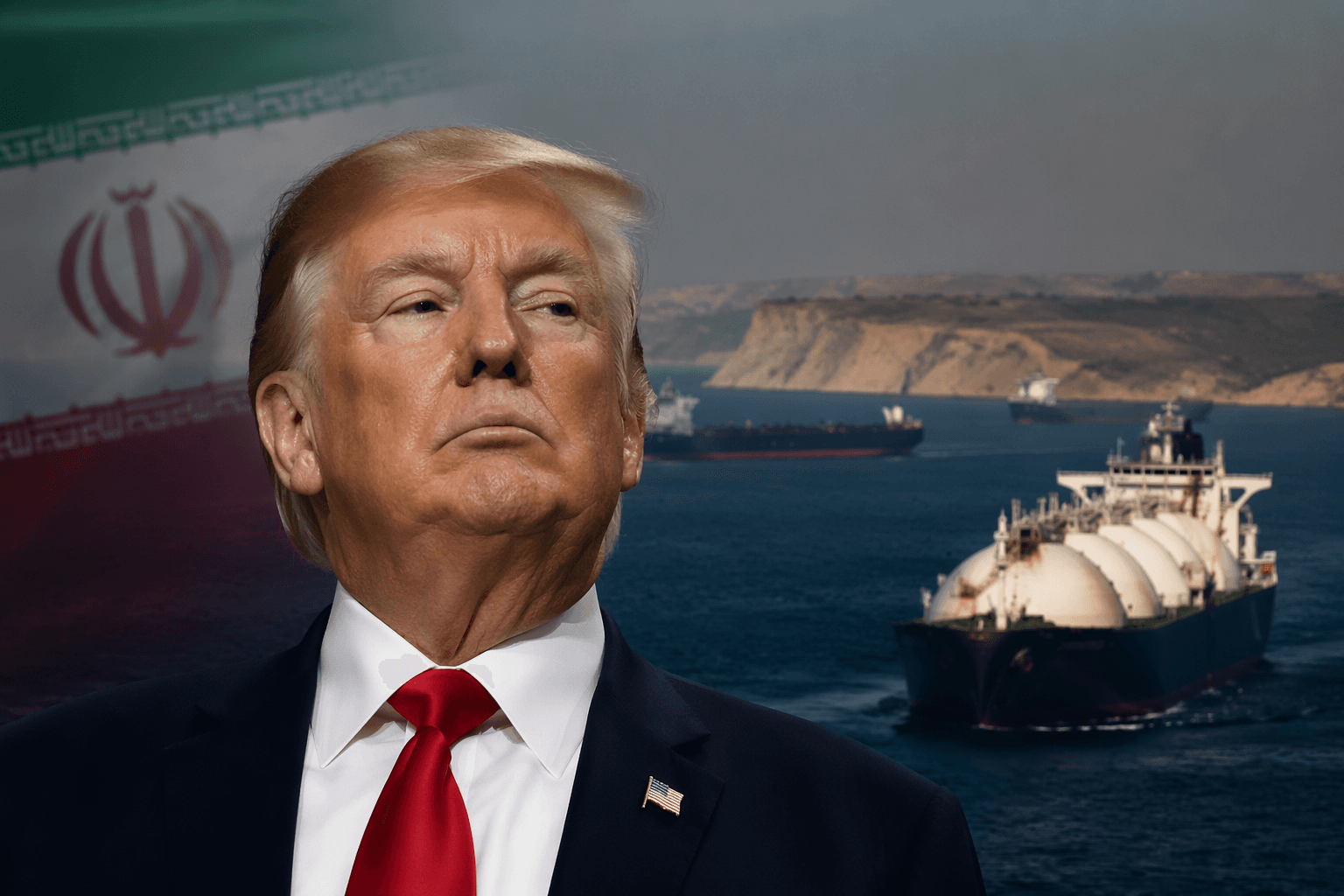
The first test of the Iran talks was not the language of peace but the question of timing. Donald Trump said a deal to end the war would be signed on Sunday and that the Strait of Hormuz would reopen immediately afterward, while Iran’s Foreign Ministry pushed back, saying Tehran was cautious about the signing date and that it would not be signed “tomorrow.”
That gap matters because the emerging accord appears to be an interim framework, not a final peace treaty. The deal being discussed would extend the ceasefire by 60 days, reopen the Strait of Hormuz and launch negotiations over Iran’s nuclear program, with a virtual meeting expected to culminate in an electronic signature. Pakistan and Qatar were described as mediators in the final phase, after nearly three months of talks that also involved Egypt and Turkey.
The stakes extend well beyond diplomacy. The Strait of Hormuz is one of the world’s most important oil shipping chokepoints, so any reopening has immediate implications for energy flows and prices. Bloomberg reported that two of the unresolved issues were management of the waterway and payments to Iran, underscoring that the political announcement and the operational details were still not fully aligned.
Trump cast the agreement as already in motion, saying the United States would collect Iran’s highly enriched uranium once there was calm. That framing suggests a broader bargain about verification, security and sequencing, but the public dispute over the signing date shows how much remains unsettled. A ceasefire extension and an electronic memorandum of understanding are not the same thing as a final peace settlement, even if the political messaging is designed to sound final.
The regional reaction reflected the same mix of momentum and doubt. Shehbaz Sharif said the final terms had been agreed and that a ceasefire extension was closer than ever, but Israeli officials warned that the terms could endanger Israel’s security. The dispute comes after U.S. strikes on Iranian targets earlier in June, which Tehran condemned as a violation of the ceasefire.
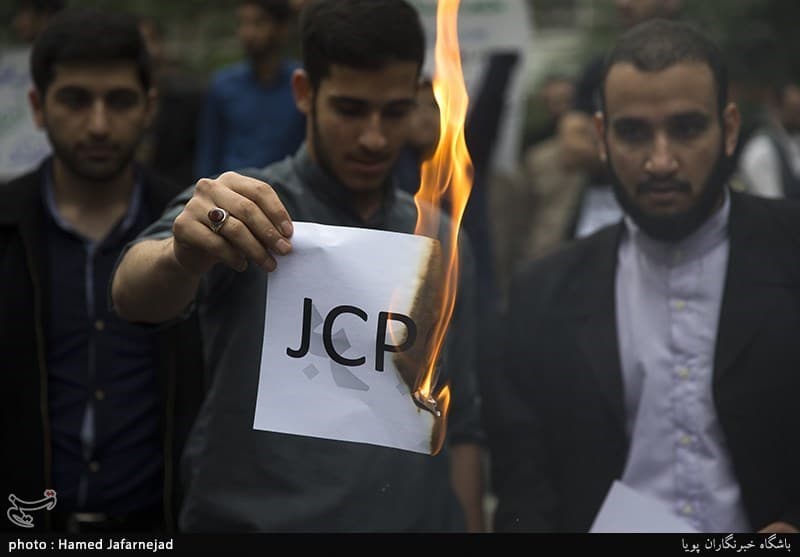
For now, the deal exists as a test of verification. Trump has presented Sunday as the deadline, Iran has disputed that timetable, and the remaining questions over the Strait of Hormuz, uranium and payments will determine whether this is a breakthrough or a piece of wartime messaging dressed as diplomacy.
This article was produced by Prism’s automated news system from verified source data, official records, and press releases, then run through automated quality and moderation checks before publishing. The system is built and supervised by the people who set the standards it runs under. Read our full AI policy.
Know something we missed? Have a correction or additional information?
Submit a Tip