UAE agrees to unlock billions for Iran amid attack pause talks
The UAE may free up $10 billion to $20 billion for Iran, with more than $3 billion already moved, in a deal tied to halting attacks on Gulf targets.

The United Arab Emirates has agreed to unlock billions of dollars for Iran in a move that could reshape the next phase of the regional conflict, linking money to security at a moment of unusual volatility. The arrangement, tied to a halt in Iranian attacks on the UAE, was described by sources as ranging from $10 billion to $20 billion, with more than $3 billion already delivered under one version of the deal.
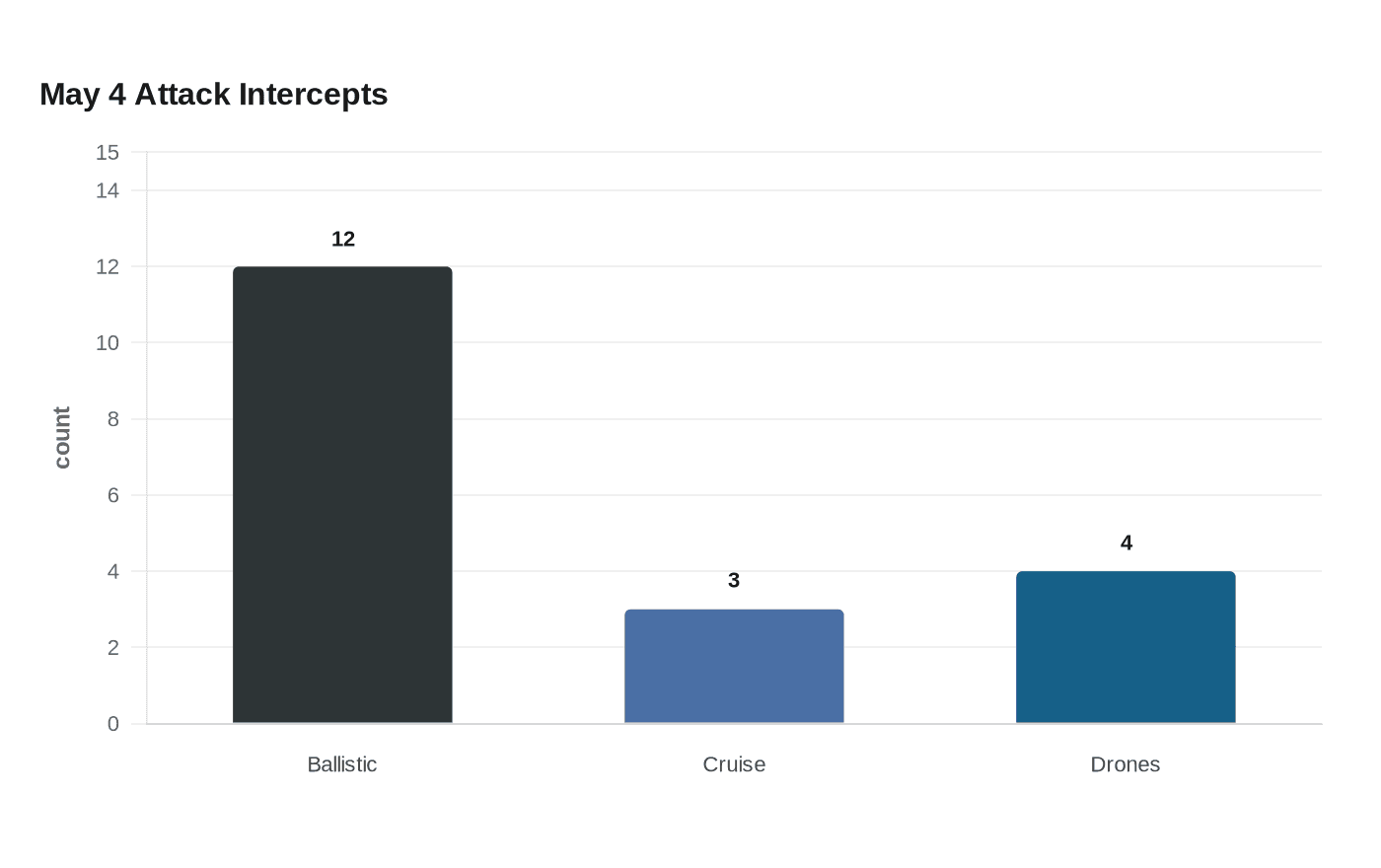
The timing matters. The last known direct strike on the UAE cited in the reporting was the May 4 attack on Fujairah, where the Emirati government said its air defenses intercepted 12 ballistic missiles, three cruise missiles and four drones launched from Iran. Officials said a fire broke out in the Fujairah oil zone, and three Indian nationals were reported injured. Fujairah sits at a critical point in the UAE energy system, at the end of the Abu Dhabi Crude Oil Pipeline, which carries crude to the Gulf of Oman and helps the country bypass the Strait of Hormuz.

The UAE Foreign Ministry denied that any frozen Iranian funds had been released, transferred or facilitated through the country, calling the allegations false and unfounded. But an unnamed UAE official said the country was trying to ease tension and foster peace, and that Emirati foreign policy is guided by de-escalation, reduced regional tensions and lasting peace and stability. That mix of denial and diplomatic signaling leaves open a central question: whether this is humanitarian relief, a back-channel probe for a wider settlement, or a strategic crack in the pressure campaign.
The stakes extend well beyond Abu Dhabi and Tehran. U.S. officials have been pressing ahead with sanctions aimed at cutting off Iran’s oil and shadow-banking networks, which they say finance the IRGC and other military activity. The U.S. Treasury has said it targeted 35 entities and individuals overseeing Iran’s shadow banking architecture, describing the system as a channel for tens of billions of dollars tied to sanctions evasion and Iran’s sponsorship of terrorism.
If the UAE is indeed helping unlock frozen funds, it would signal that regional states are not waiting for Washington alone to set the terms of escalation. It would also suggest that Gulf security, alliance management and sanctions policy are now being negotiated together, with cash transfers, cease-fire signals and diplomatic leverage all pulled into the same tense equation.
This article was produced by Prism’s automated news system from verified source data, official records, and press releases, then run through automated quality and moderation checks before publishing. The system is built and supervised by the people who set the standards it runs under. Read our full AI policy.
Know something we missed? Have a correction or additional information?
Submit a Tip

