Tens of thousands march in Bucharest and Sofia for LGBTQ+ rights
Crowds filled Bucharest and Sofia as Pride became a demand for basic legal recognition, not celebration, in EU states still blocking civil partnerships.

Tens of thousands of LGBTQ+ supporters filled the streets of Bucharest and Sofia on June 13, turning annual Pride parades into a public test of how far formal EU membership has, and has not, translated into equality. In both capitals, marchers waved rainbow flags, blew whistles and called for civil partnerships and other basic protections that remain out of reach for same-sex couples.
The contrast between public visibility and legal reality was stark. ILGA-Europe’s 2025 Rainbow Map ranked Romania and Bulgaria last among the European Union’s 27 member states on the legal and policy landscape for LGBTQ+ people, underscoring how far the two countries lag behind their EU peers. The map has been published every year since 2009 and assesses 49 European countries using verified input from more than 250 experts.
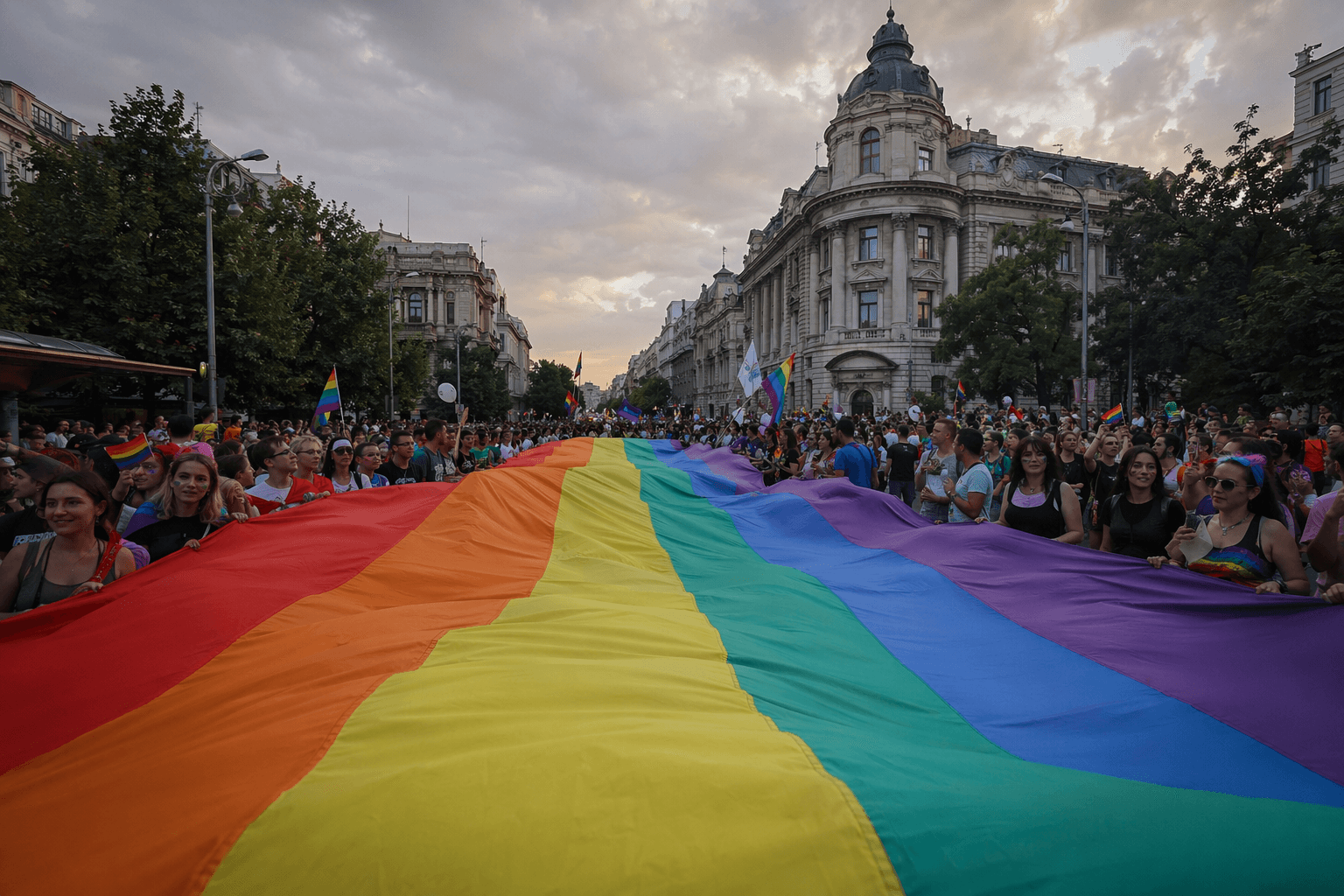
In Bucharest, Pride was organized by the ACCEPT Association, which has staged the march since 2005. Organizers said the 2026 rally could draw more than 30,000 participants, and this year’s theme, “All of Us,” framed the event as a broad civil-rights demand rather than a narrow identity march. The route ran through central Bucharest, with supporters moving along Calea Victoriei toward Piața Națiunilor Unite and the Palace of the Parliament, near Izvor Park, where the city’s LGBTQ+ community has long used visibility as leverage for legal change.

The legal gap remains wide. Romania decriminalized homosexuality in 2001 by repealing Article 200 of its Penal Code, but it still does not recognize same-sex marriage or civil unions. In May 2023, the European Court of Human Rights ruled that Romania violated the rights of 21 same-sex couples by failing to recognize their relationships, yet no civil partnership law had been implemented by 2026. Speakers said many same-sex couples still live together, raise children and build homes without legal protection for inheritance, hospital access, medical decisions or survivor benefits.
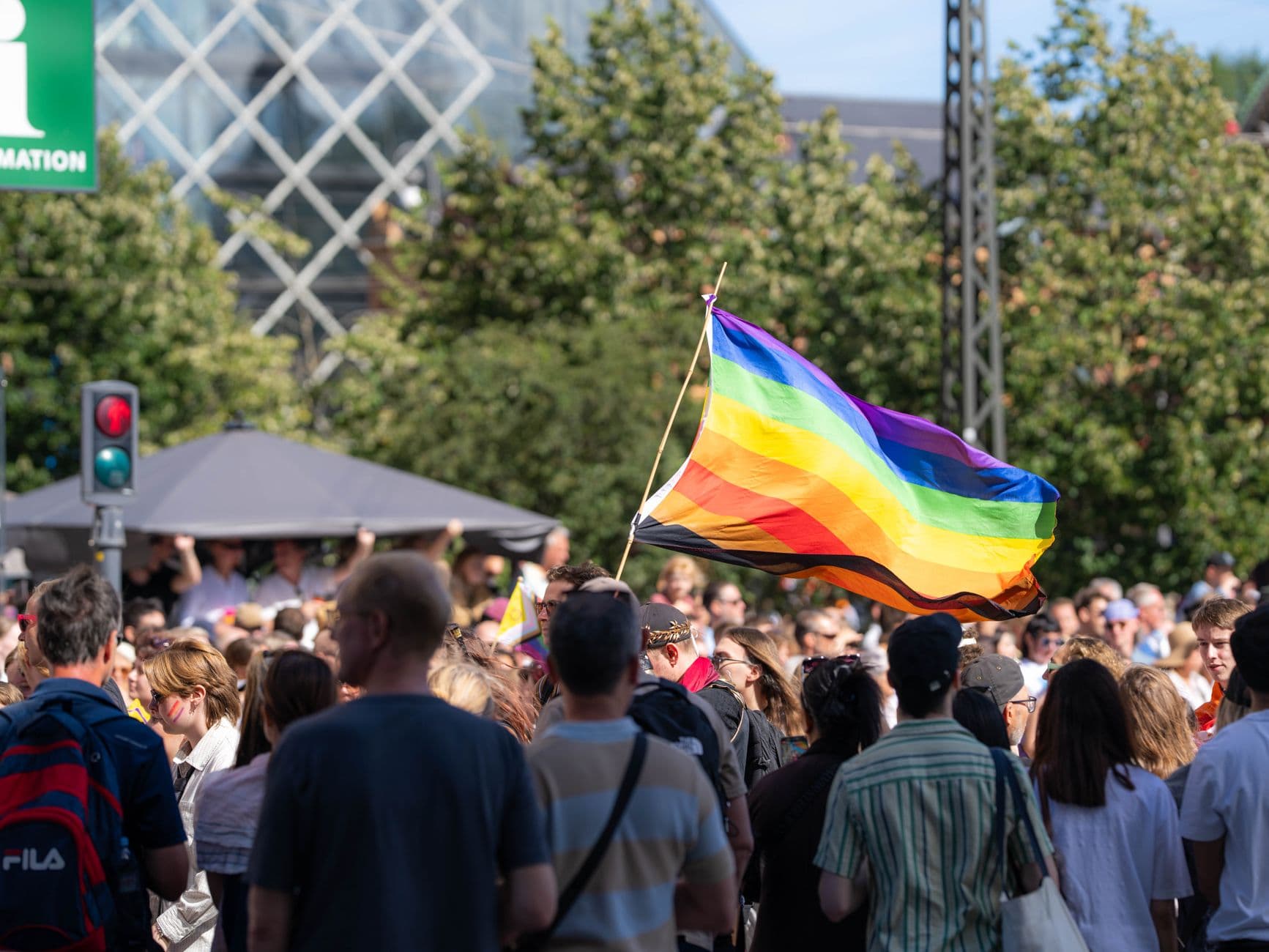
Sofia’s march unfolded under similar pressure, but with a sharper political backlash. Bulgaria also does not recognize same-sex marriage or civil unions, and in September 2023 the European Court of Human Rights found it had violated human rights law by failing to legally recognize same-sex couples. That came before parliament passed a controversial 2024 law banning the promotion or incitement of LGBTQ+ “ideas and views” in schools. Pride organizers describe Sofia Pride as Bulgaria’s largest human-rights event, yet it was met by a parallel March of the Family backed by right-wing and religious groups and by the Bulgarian Orthodox Church’s support for the “traditional family.” Police kept the rival crowds apart, and no violence was reported.
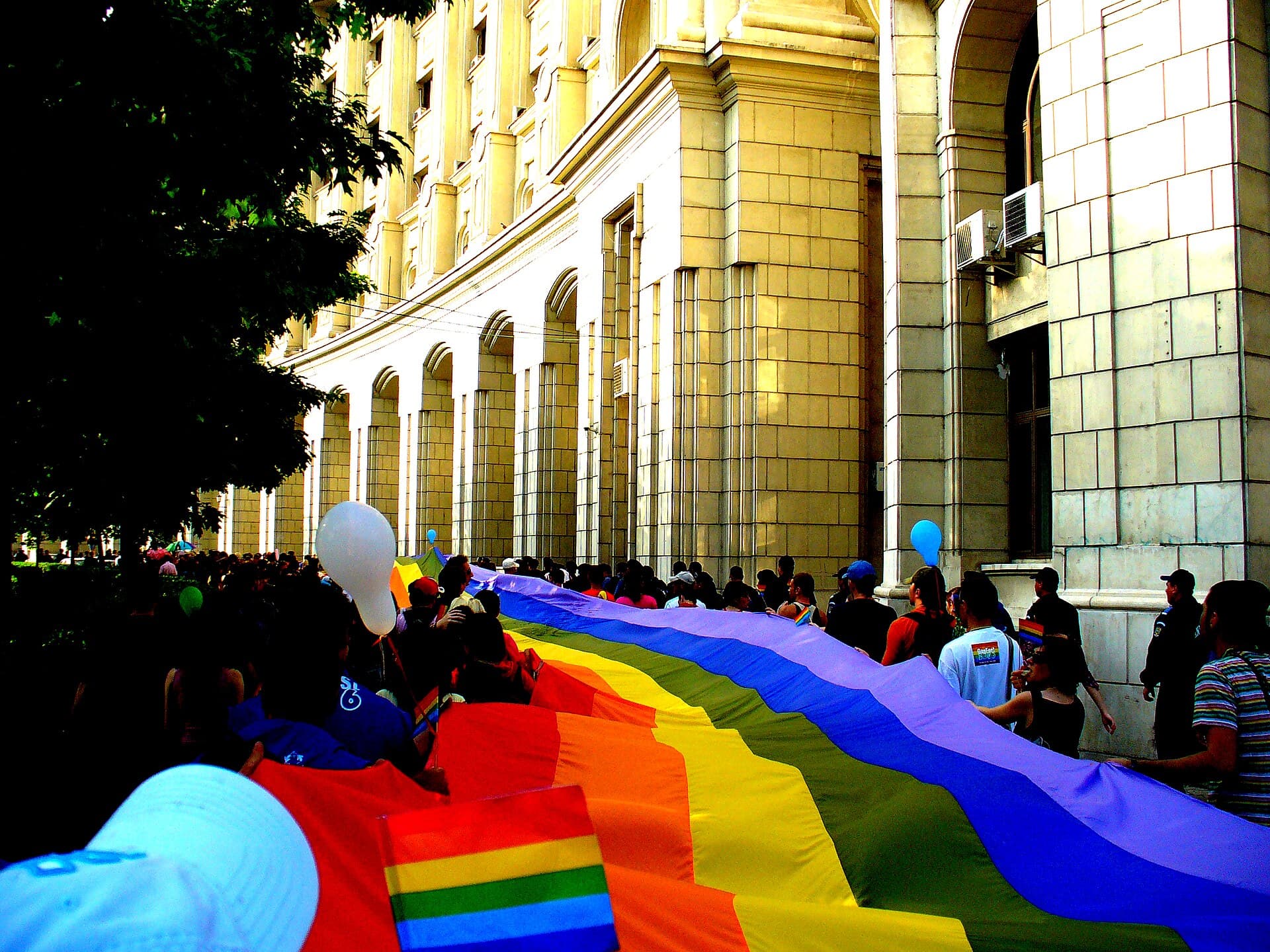
The marches showed that in Romania and Bulgaria, Pride is functioning less as celebration than as a sustained pressure campaign for legal recognition. Public support is visible, but the right to family life, security and equal protection still has to be won in the street, and in parliament.
This article was produced by Prism’s automated news system from verified source data, official records, and press releases, then run through automated quality and moderation checks before publishing. The system is built and supervised by the people who set the standards it runs under. Read our full AI policy.
Know something we missed? Have a correction or additional information?
Submit a Tip