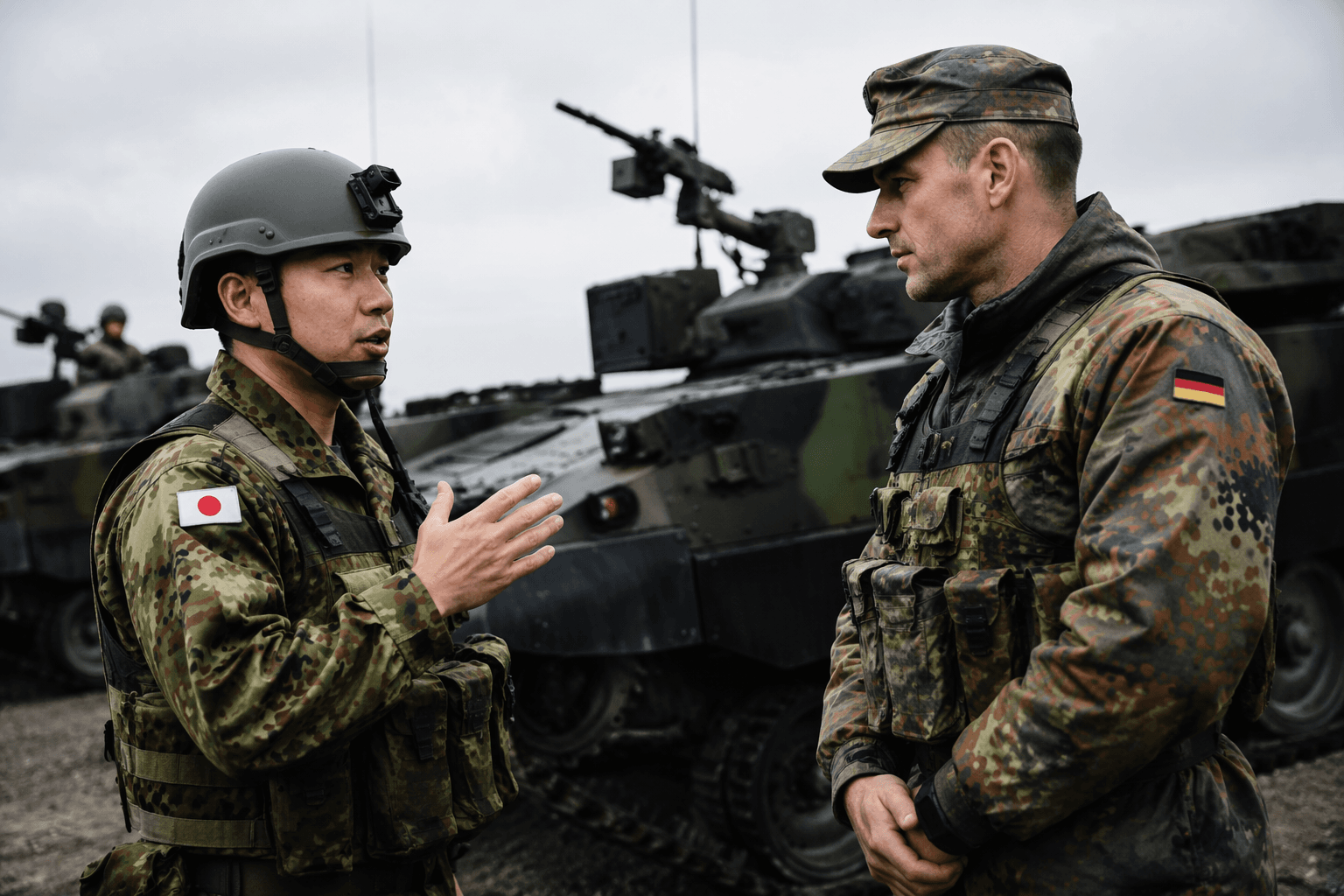
Germany and Japan deepen defense ties amid rising security fears
Japan’s first-ever fighter deployment to Europe and a March 22 meeting in Yokosuka showed how Berlin and Tokyo are turning wartime caution into defense cooperation.
Berlin and Tokyo are quietly rewriting the limits of their postwar defense policies. Japan’s Ministry of Defense still points to Article 9, which renounces war, the threat or use of force, and the maintenance of war potential, yet it now says the country faces the most severe and complex security environment since the end of World War II.
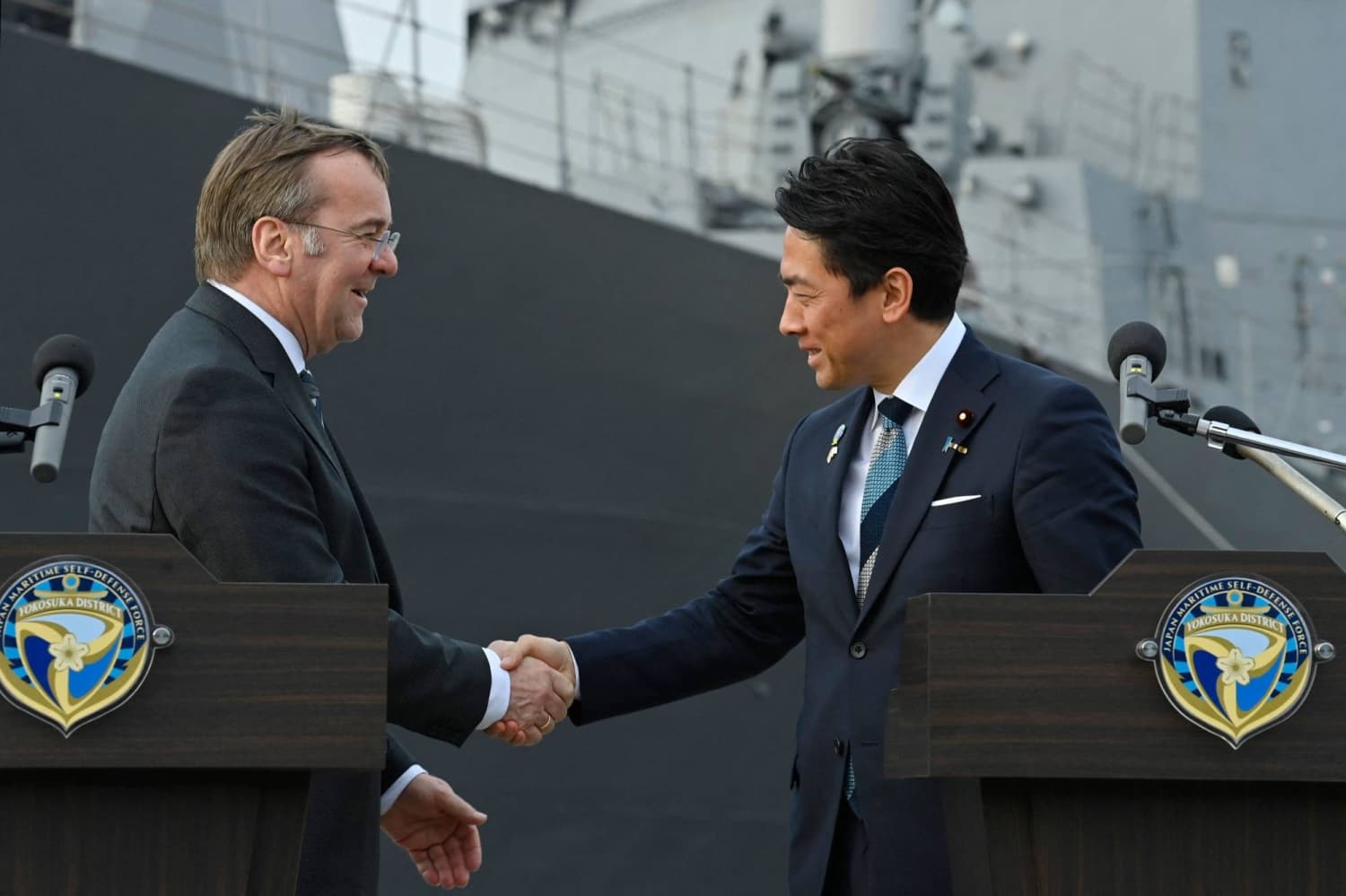
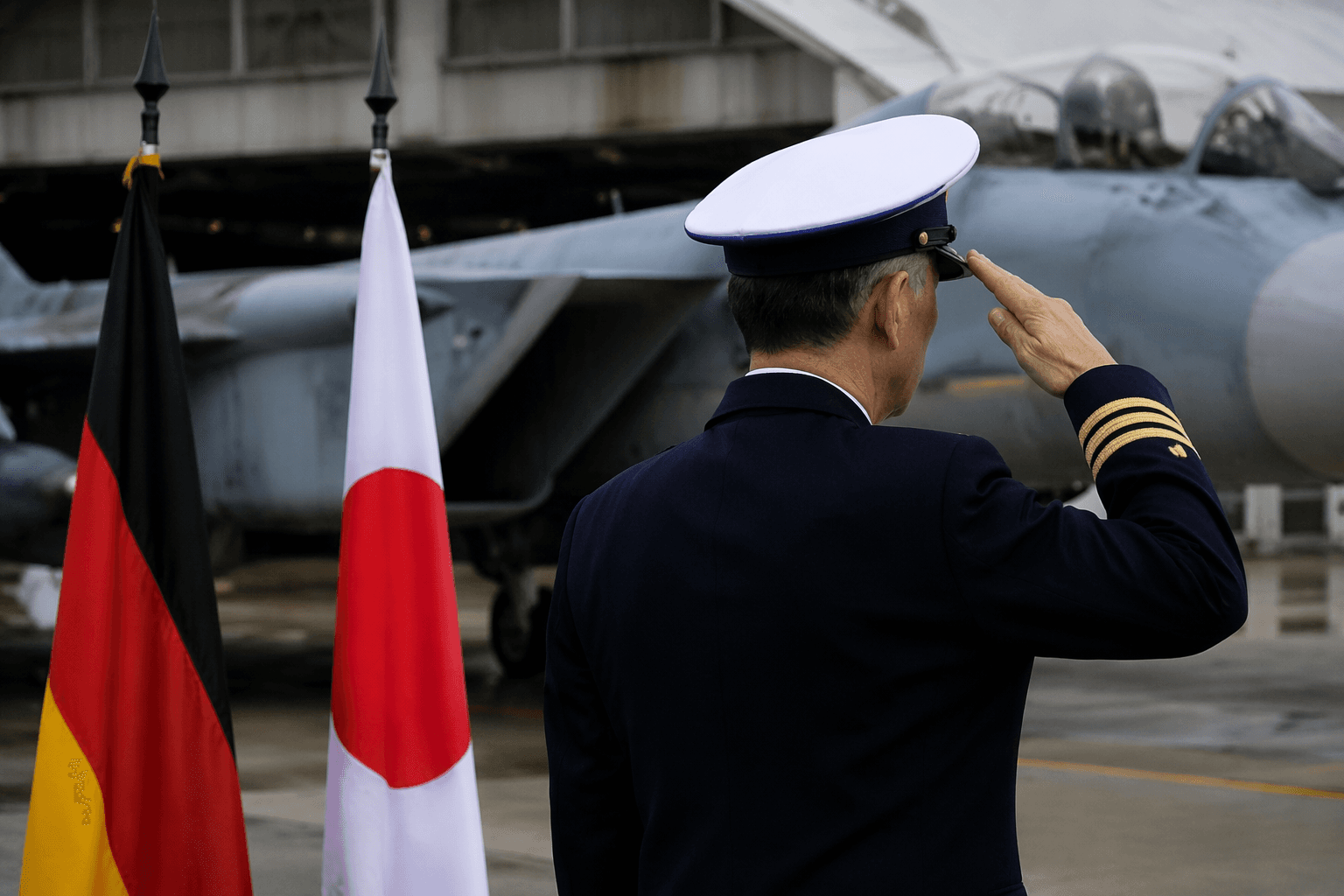
That shift was on display on March 22, 2026, when Japanese Defense Minister Koizumi welcomed Boris Pistorius in Yokosuka for a Japan-Germany defense ministerial meeting. The two sides said they welcomed closer cooperation across land, maritime and air forces, building on Japan’s F-15 goodwill visit to Germany in September 2025, which Tokyo described as its first-ever deployment of fighter aircraft to Europe.
The encounter carried more than ceremonial weight. Japan and Germany said they see security in the Euro-Atlantic and Indo-Pacific as inseparable, a judgment that reflects mounting concern about Russia, China and North Korea as well as the fragility of the wider international order. Germany has also been pressing for a reciprocal access-type agreement with Japan to give troop cooperation and joint exercises a simpler legal and administrative basis.
The deepening military relationship has been paired with broader diplomacy. Japan’s foreign ministry and defense ministry held foreign-ministerial and economic-security consultations with Germany in 2025, while summit-level contacts continued into 2026. That widening channel suggests the relationship is no longer limited to symbolism or shared history, but is moving into industrial coordination, strategic planning and more routine defense exchanges.
For both countries, the change marks a striking reversal from decades of restraint shaped by the trauma of World War II. Germany and Japan were long cautious about dispatching military forces overseas, but both have moved steadily toward deeper defense ties as their leaders conclude that the old postwar boundaries are no longer enough to meet present-day threats.
This article was produced by Prism’s automated news system from verified source data, official records, and press releases, then run through automated quality and moderation checks before publishing. The system is built and supervised by the people who set the standards it runs under. Read our full AI policy.
Know something we missed? Have a correction or additional information?
Submit a Tip