Germany and Japan deepen defense ties as rearmament accelerates
Tokyo and Berlin are rebuilding military power, pairing record budgets with a new defense-industry push that treats the Indo-Pacific and Europe as inseparable.
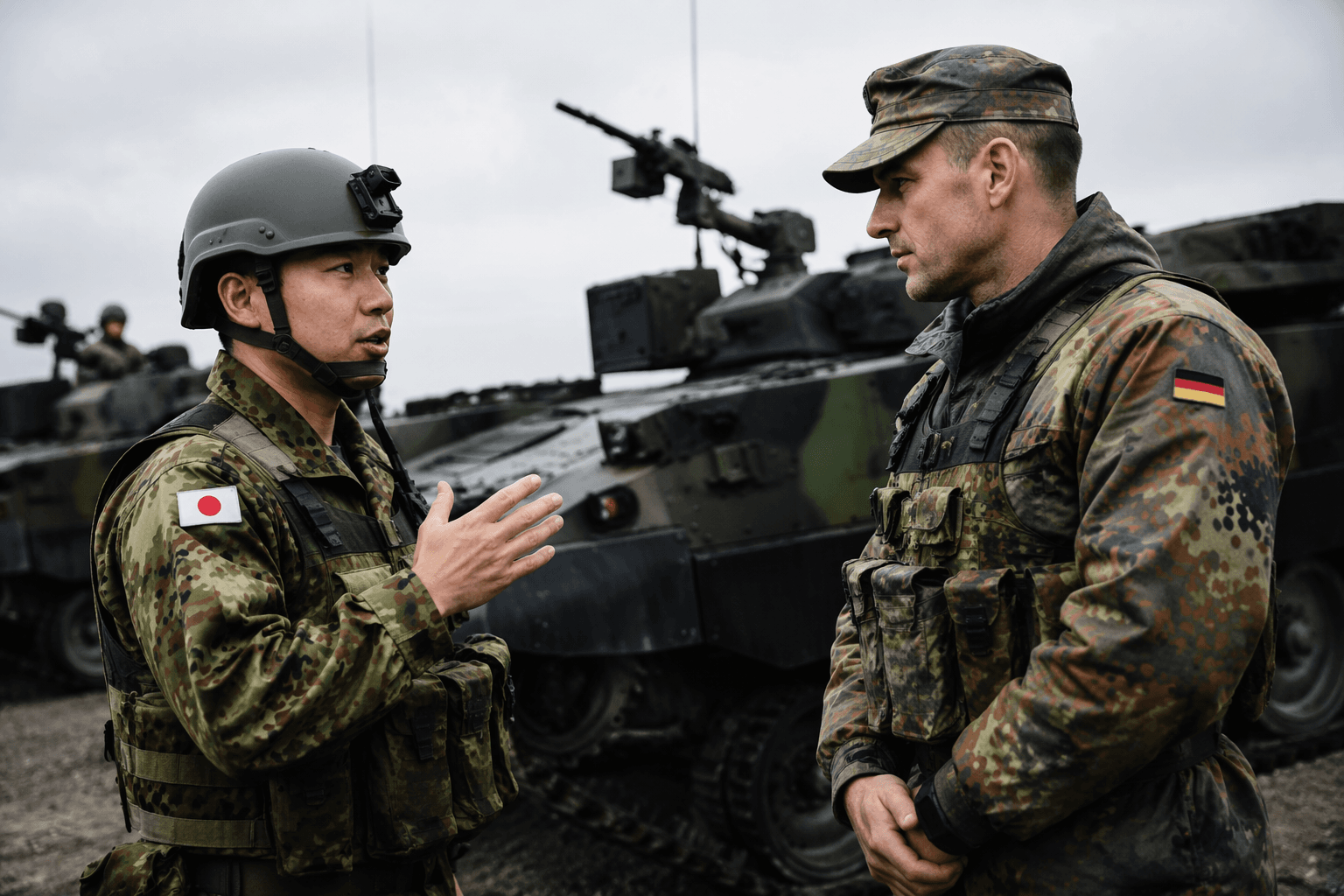
Japan and Germany, once tied together in a wartime alliance that ended in ruin, are moving into a new phase of defense cooperation that would have been politically unthinkable for much of the postwar era. The two governments are deepening security and industrial ties as both countries expand military spending, signaling that old assumptions of restraint are giving way to a harsher view of the threats now facing Europe and Asia.
For Japan, the shift cuts against the pacifist limits built into the postwar constitution, including Article 9, which took effect on May 3, 1947 after the Allied occupation began on September 2, 1945. Germany’s postwar order also kept military power tightly constrained, but Berlin has now moved sharply toward rearmament. That parallel change is driving a closer relationship between Tokyo and Berlin, with both capitals treating defense not as a taboo but as a central policy tool.
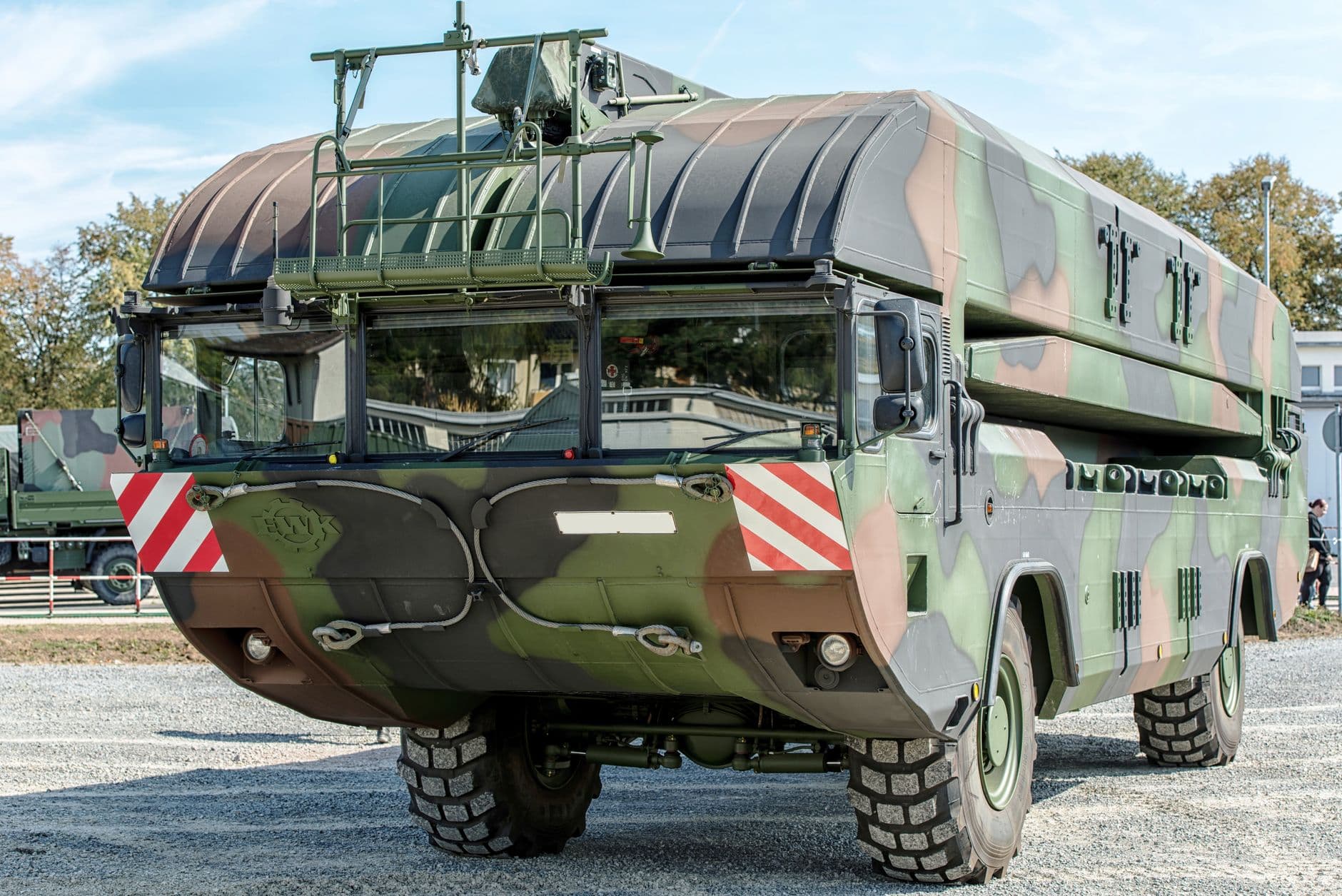
The numbers show how far the ground has moved. Japan’s Defense Ministry sought a record ¥8.8 trillion for fiscal 2026, after a ¥8.7 trillion defense budget for fiscal 2025. Germany’s 2026 defense plan has been described as roughly €83 billion in the core budget, or about €108.2 billion when the special Zeitenwende fund is included. Against that backdrop, Japan and Germany were preparing a joint public-private conference to expand cooperation in aerospace and defense industries, with Tokyo looking to German companies for advanced technology, including tank-related expertise, and German-Japanese cooperation increasingly organized through the German-Japanese Defense and Security Technology Forum.
The bilateral agenda is now broader than weapons buying. Japan’s Foreign Ministry said the two sides agreed to deepen cooperation in security fields, including cyber, defense equipment and technology, economic security, and the dispatch of German forces or assets to the Indo-Pacific. Japan’s Defense Ministry said the two countries welcomed close cooperation across land, maritime and air services, pointing to Japanese F-15s visiting Germany in September 2025 and German naval ships visiting Japan in 2024. Japanese Foreign Minister Takeshi Iwaya and German officials have also been discussing a further round of high-level dialogue, including a new two-plus-two meeting.
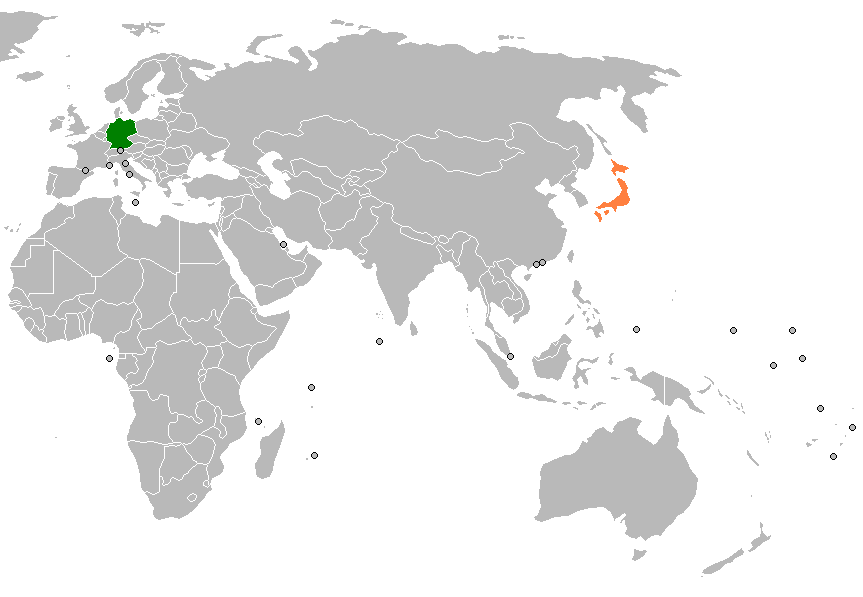
Prime Minister Shigeru Ishiba’s meeting with Chancellor Friedrich Merz at the G7 summit in Kananaskis, Canada, on June 16, 2025, underlined how quickly the relationship has advanced. With global military expenditure reaching a record $2.9 trillion in 2025, Japan and Germany are not simply revisiting old habits of restraint. They are helping redraw the security map, linking the Euro-Atlantic and Indo-Pacific more tightly than at any point in the postwar period.
This article was produced by Prism’s automated news system from verified source data, official records, and press releases, then run through automated quality and moderation checks before publishing. The system is built and supervised by the people who set the standards it runs under. Read our full AI policy.
Did this article answer your question?