UK weighs air conditioning costs as hotter summers raise home overheating risks
Britain’s overheating rules are forcing a harder choice: retrofit homes for shade and ventilation, or pay for cooling that raises bills and carbon.
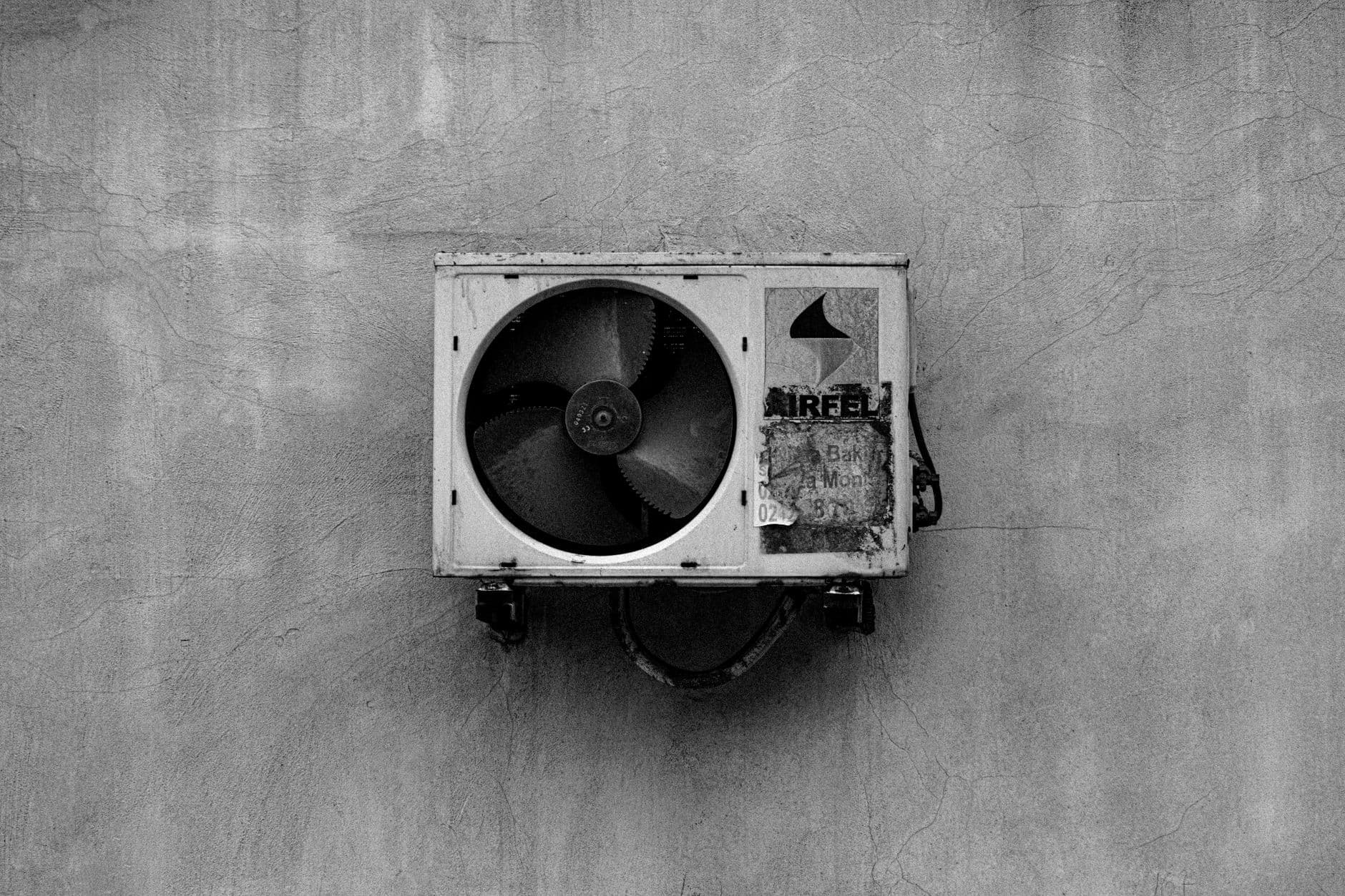
Hotter summers are turning indoor heat into a housing problem, not just a weather problem. In England, the response has started to split between redesigning homes to stay cool and leaning on air conditioning, a choice that also sets up a clash between comfort, energy costs, and climate targets.
Why overheating is now a building rule
Part O of the Building Regulations was introduced in June 2022 to address overheating in homes. It requires reasonable provision to limit unwanted solar gains in summer and to provide an adequate means to remove heat from buildings. That makes overheating a design and compliance issue, not just a matter of personal preference or a heatwave warning.
The Climate Change Committee has pushed the issue further up the policy agenda by treating overheating as a major climate risk for UK housing. In its material, the committee said 92% of existing UK homes are expected to be at risk of overheating by 2050, and evidence suggests that all new-build homes are at risk of overheating. The committee also warned that the country is “built for a climate that no longer exists,” a line that captures how quickly the housing stock is being overtaken by rising temperatures.
The institutions forcing the debate into the open
The House of Commons Environmental Audit Committee made the government confront the issue directly when it published Heat resilience and sustainable cooling on 31 January 2024. The committee required a government response within two months, and ministers published that response on 30 April 2024. That sequence matters because it moved overheating out of the margins and into the center of a national adaptation argument.
This was not the first warning. The same committee had already published Heatwaves: adapting to climate change in 2018, and the government’s response was received later that September. The newer reports show the issue has not gone away with time; it has intensified as heatwaves become more frequent and as more homes are exposed to indoor overheating.
The Climate Change Committee kept pressing the point in its April 2025 Progress in adapting to climate change 2025 report to Parliament and again in A Well-Adapted UK: The Fourth Independent Assessment of UK Climate Risk, published on 20 May 2026. Together, those assessments frame overheating as part of a broader national resilience challenge, one that now touches housing standards, planning, public health, and the cost of keeping buildings habitable in summer.
What adaptation actually looks like inside homes
The policy argument is no longer just whether air conditioning is good or bad. It is about which mix of measures will keep homes safe without locking the country into avoidable emissions or punishing energy bills. The options named in the policy debate are familiar: shading, shutters, ventilation, insulation, and building design, alongside cleaner cooling technologies where mechanical cooling is unavoidable.
That mix creates a clear divide in who benefits and who pays. Passive measures such as shutters, better ventilation, and smarter orientation can protect whole households for years, and they usually cut dependence on electricity-hungry cooling. But they also require upfront investment, which tends to fall on owners, landlords, developers, or public programs that subsidize retrofits.
Air conditioning shifts the burden differently. It delivers fast relief for the people inside the hottest homes, including those in top-floor flats, older people, and residents in dense urban areas where heat lingers after sunset. The cost then moves to the household balance sheet through installation and electricity bills, and to the wider system through higher demand for power.
That split is where the distributional politics sharpen. Renters often cannot decide unilaterally to retrofit a property, while low-income households are least able to absorb upfront costs or higher summer bills. Aging populations in older urban housing are more exposed to heat stress, but they are not always the ones who can pay for the fix. In practice, the choice between passive adaptation and cooling equipment is also a choice about which households carry the financial risk.
How the carbon question stays in the room
The Climate Change Committee’s Sixth Carbon Budget buildings summary says the UK should pursue a mix of solutions to reduce energy demand in buildings. That advice was originally framed around heating, but the same logic applies as summers warm. Reducing demand through efficiency and design lowers the need for equipment that runs every hot afternoon and evening, which matters if the goal is to cut carbon as well as discomfort.
That is why the debate now sits at the intersection of comfort, health, energy bills, planning, and climate policy. If governments lean too heavily on mechanical cooling, they may solve the immediate problem while increasing electricity use and reinforcing inequality between households that can pay and those that cannot. If they rely only on building redesign, they may leave existing homes dangerously exposed during the hottest spells. The policy test is whether public money goes first to the homes and neighborhoods most at risk, rather than to those already able to afford upgrades.
A warning shot for other wealthy countries
The UK dispute is a useful warning for the United States because it shows how quickly heat adaptation becomes a question of who gets protected first. Wealthy countries with aging housing stock face the same basic choice: retrofit buildings, expand access to cooling, or accept that climate goals and summer comfort will continue to pull against each other.
Britain’s recent reports suggest the window for easy answers has closed. Part O set a minimum standard in 2022, Parliament has already demanded explanations from ministers, and the Climate Change Committee has made clear that homes built for yesterday’s climate are no longer enough.
This article was produced by Prism’s automated news system from verified source data, official records, and press releases, then run through automated quality and moderation checks before publishing. The system is built and supervised by the people who set the standards it runs under. Read our full AI policy.
Did this article answer your question?