U.S. and Saudi Arabia strike Iran-backed militias in Iraq as war widens
Joint U.S.-Saudi strikes hit Iran-backed militias in Iraq after missile and drone attacks, raising the risk of a direct clash with Tehran.
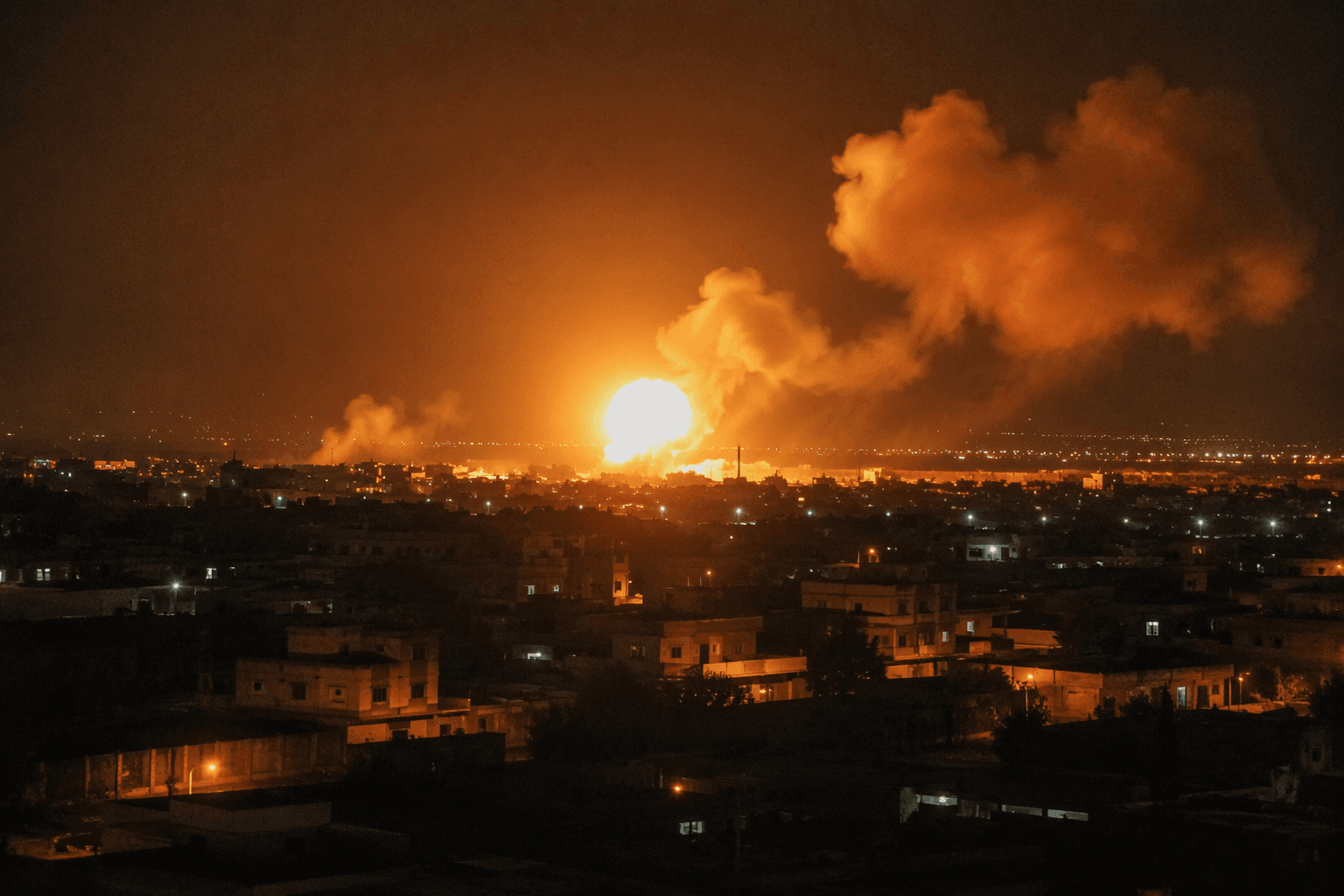
U.S. and Saudi forces carried out precision airstrikes in Iraq against Iran-aligned groups after a fresh wave of attacks on American forces, escalating a regional fight that had been moving through proxies until now. Donald Trump added to the danger by threatening Iran with "a beating," as the war widened from missile exchanges to direct joint strikes on militant targets in Iraq.
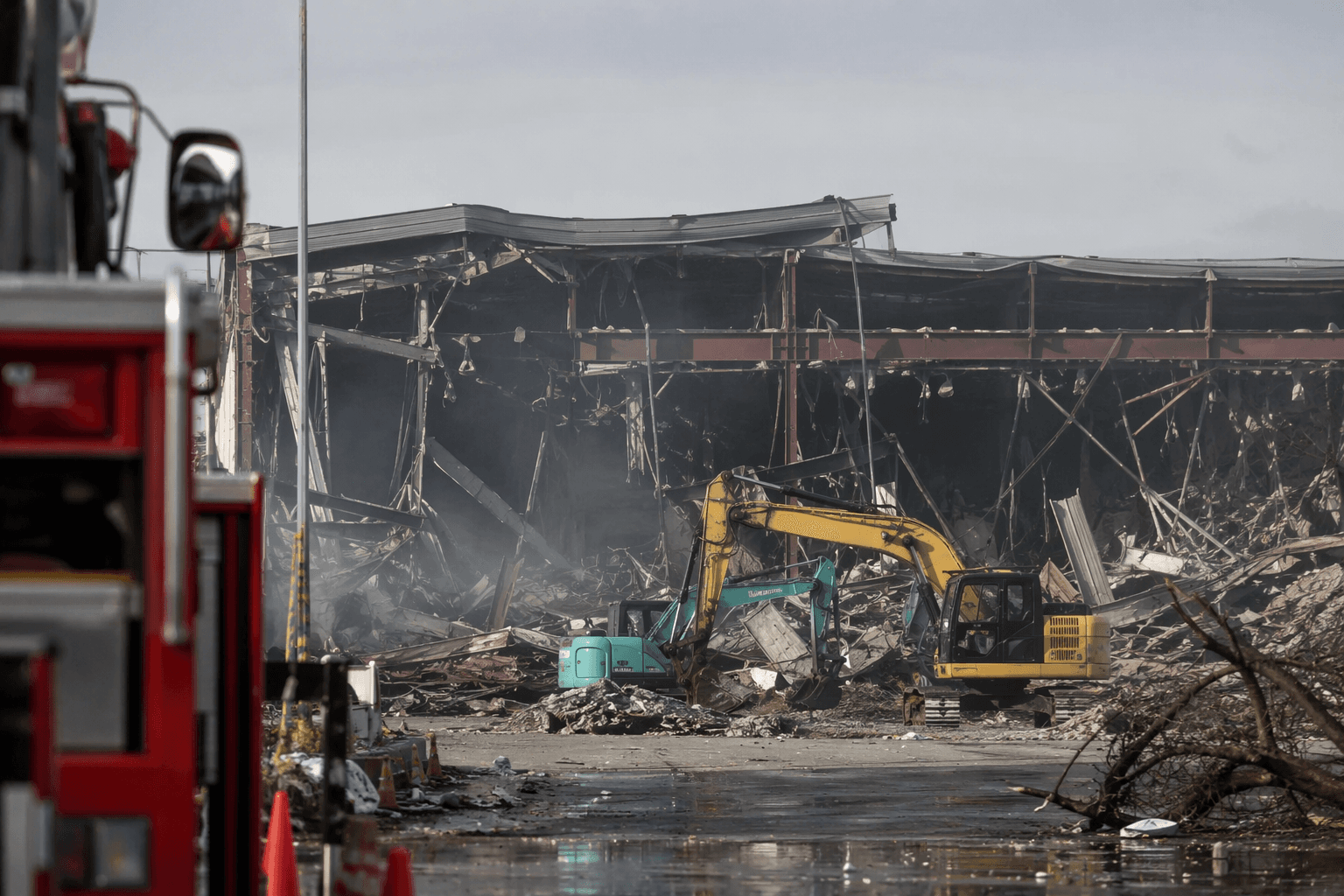
U.S. Central Command said the operation hit militant groups aligned with Iran in eastern Iraq and around Bartella in Nineveh province. Reuters said the strikes were carried out in response to attacks on American forces, and other reports said the U.S. military described the targets as Iran-backed formations operating inside Iraq. Saudi Arabia also said it intercepted drones launched from Iraq toward oil facilities, and Reuters said Saudi forces joined the U.S. operation in coordination, making this the most direct Saudi involvement yet in the conflict.
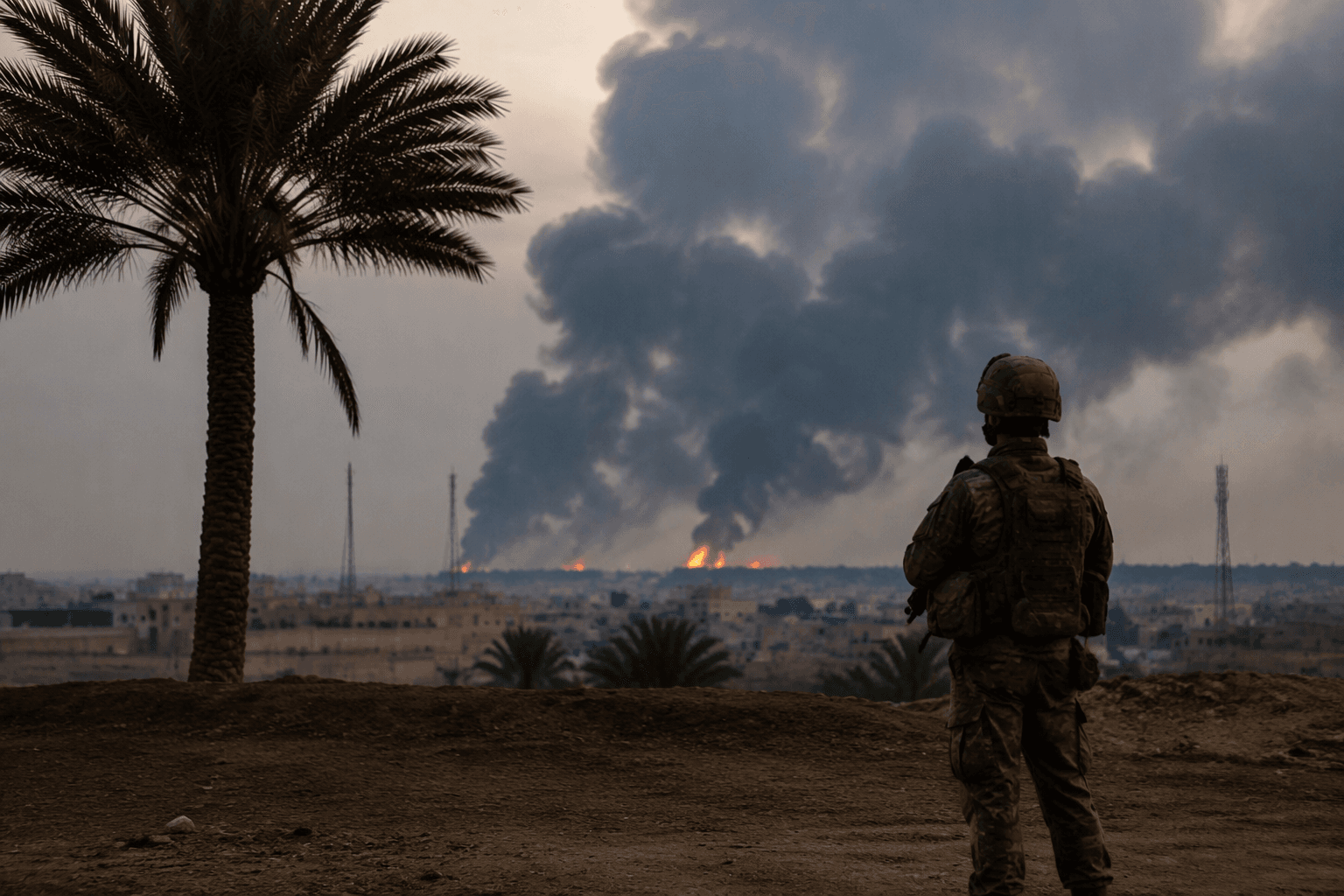
The toll was disputed but severe. CBS News said at least 10 people were reportedly killed in the strikes. Other reports said Iraq’s Popular Mobilization Forces claimed at least 20 of its members were killed and 32 wounded. Iraqi armed groups condemned the attacks as a "dangerous escalation," while the fighting added another layer to a war that CBS described as already five months old.
The strikes came after Iran fired multiple ballistic missiles at American forces in the Middle East, missiles the U.S. said it intercepted. That exchange followed a period of relative calm and reported indirect contacts between Washington and Tehran, raising the stakes for U.S. troops stationed in Iraq, Syria and elsewhere in the region. For the White House, the immediate danger is that attacks on U.S. personnel could force a broader retaliation cycle that drags in more American forces and more regional allies.
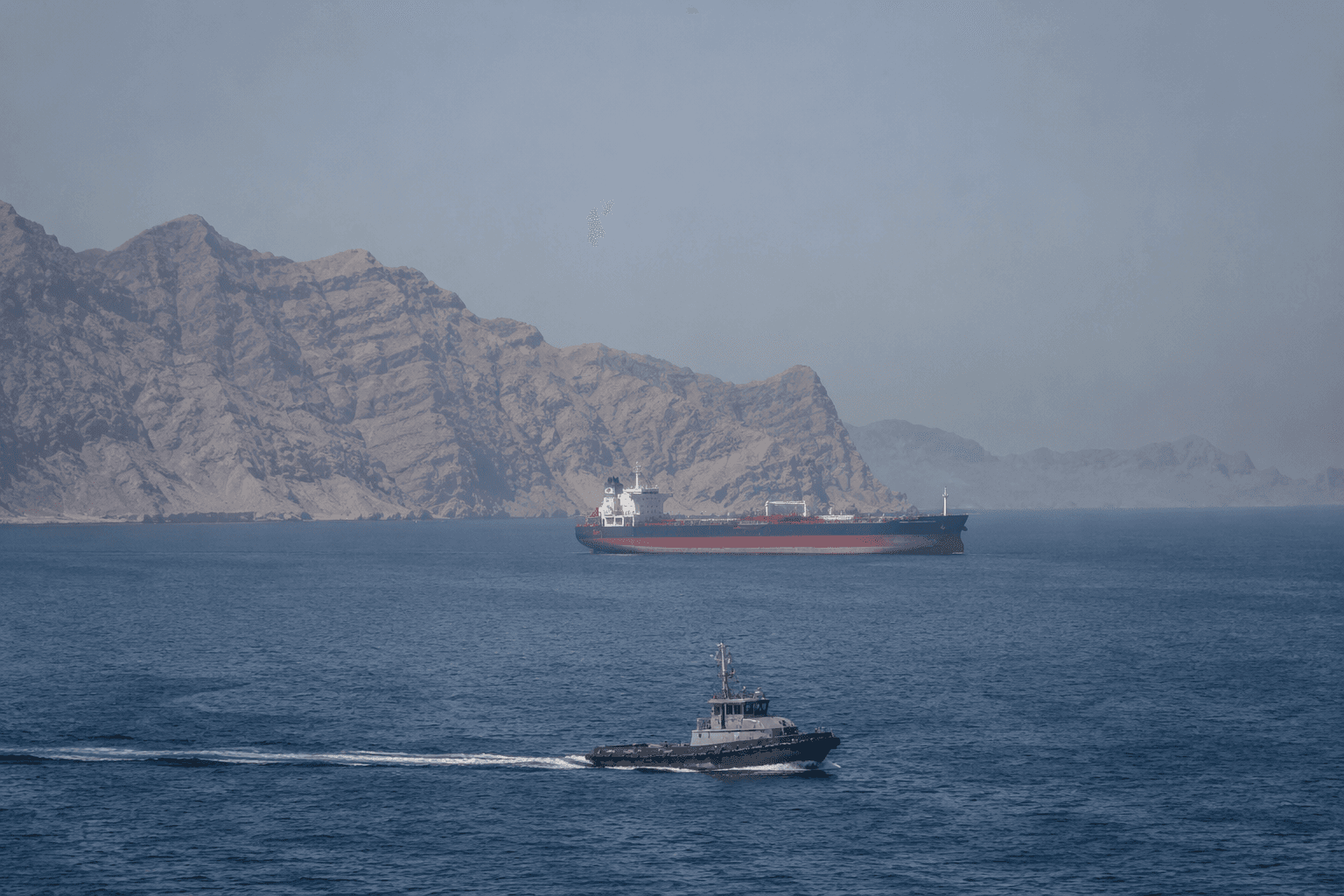
The wider risk runs through energy and shipping. Iran warned about any action affecting its control of the Strait of Hormuz, the narrow waterway that carries a large share of the world’s oil shipments, and any disruption there could push prices higher far beyond the Middle East. A shift from proxy war to direct U.S.-Iran war would come if Washington and Tehran began striking each other’s forces openly and repeatedly, rather than hitting through militias, drones and ballistic missiles. For now, the conflict is still moving through intermediaries, but the latest joint strikes have made that buffer thinner.
This article was produced by Prism’s automated news system from verified source data, official records, and press releases, then run through automated quality and moderation checks before publishing. The system is built and supervised by the people who set the standards it runs under. Read our full AI policy.
Did this article answer your question?