Oman proposes voluntary fees plan to ease Strait of Hormuz tensions
Oman put forward a Gulf-backed plan for ships to pay voluntary fees in the Strait of Hormuz, but Iran quickly rejected regional management.
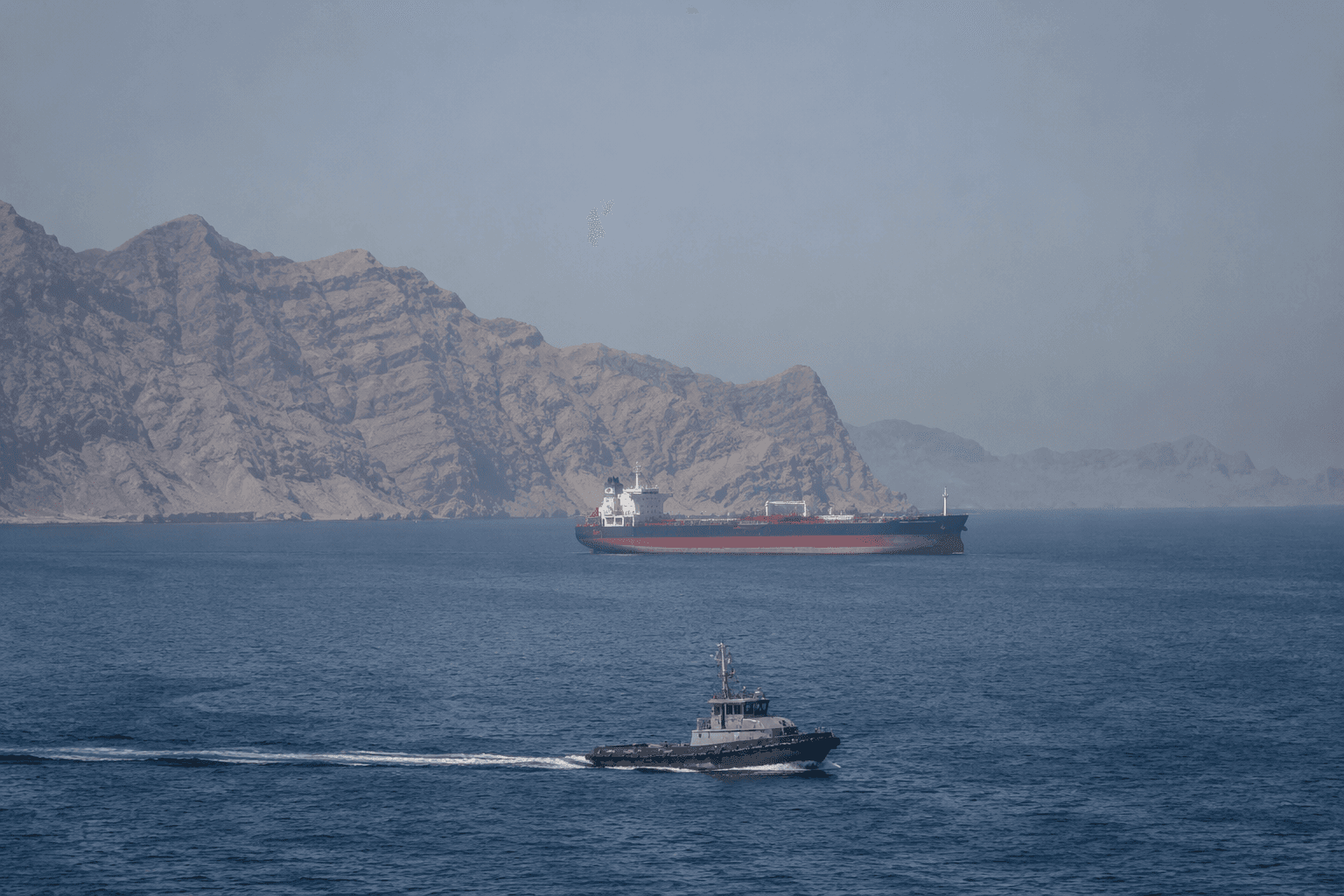
Oman put forward a Gulf-backed proposal that would let ships using the Strait of Hormuz pay voluntary fees, in a bid to cool tensions around the world’s most important oil chokepoint. The plan was presented to Iran as a joint regional mechanism, with Gulf states backing the idea and a Gulf source and Western diplomat involved in the discussions.
The Strait of Hormuz, which lies between Iran and Oman, carried about 20.9 million barrels per day of oil in 2024, according to the U.S. Energy Information Administration. That was roughly 20% of global petroleum liquids consumption, and Reuters-linked background material put the waterway’s share of global maritime oil trade at about 26.2%. Any arrangement that affects passage through the strait carries immediate consequences for oil prices, shipping insurance and the costs paid by importers from Asia to Europe.

The proposal appears aimed at giving Tehran a financial stake without forcing a formal blockade, tariff regime or direct confrontation. Reuters-linked coverage said Iran has wanted to manage the strait alongside Oman and collect service fees from ships, while Gulf states opposed any mandatory payment to Iran. That makes the question of legal authority central: a voluntary fee system would need some form of regional coordination, yet Reuters’ explainer on July 28 raised the issue of whether Iran could legally charge vessels transiting the strait at all.
The timing reflected the pressure on Gulf diplomacy. Reuters said the plan could help end disruption to trade caused by the U.S.-Israeli war on Iran, and a Reuters-linked summary said President Donald Trump had abruptly called off a two-week U.S. bombing campaign over the weekend while talks were under way. Gulf Cooperation Council foreign ministers met by video call on July 28 to discuss developments in the conflict, underscoring how quickly the issue rose from a bilateral idea to a regional security concern.
Iran ruled out the regional-management proposal on July 29, sharply dimming hopes for a breakthrough. Even so, the offer showed how Oman has again tried to use its long-standing role as a mediator to keep the waterway open, while Gulf states look for a face-saving way to acknowledge Iranian leverage without setting a precedent that could turn a strategic sea lane into a toll road.
This article was produced by Prism’s automated news system from verified source data, official records, and press releases, then run through automated quality and moderation checks before publishing. The system is built and supervised by the people who set the standards it runs under. Read our full AI policy.
Did this article answer your question?