Japan quake and mall blast leave at least 13 dead
A magnitude 7.1 quake hit Kumamoto, then an explosion tore through a partly collapsed Aeon mall, leaving at least 13 dead and many trapped.
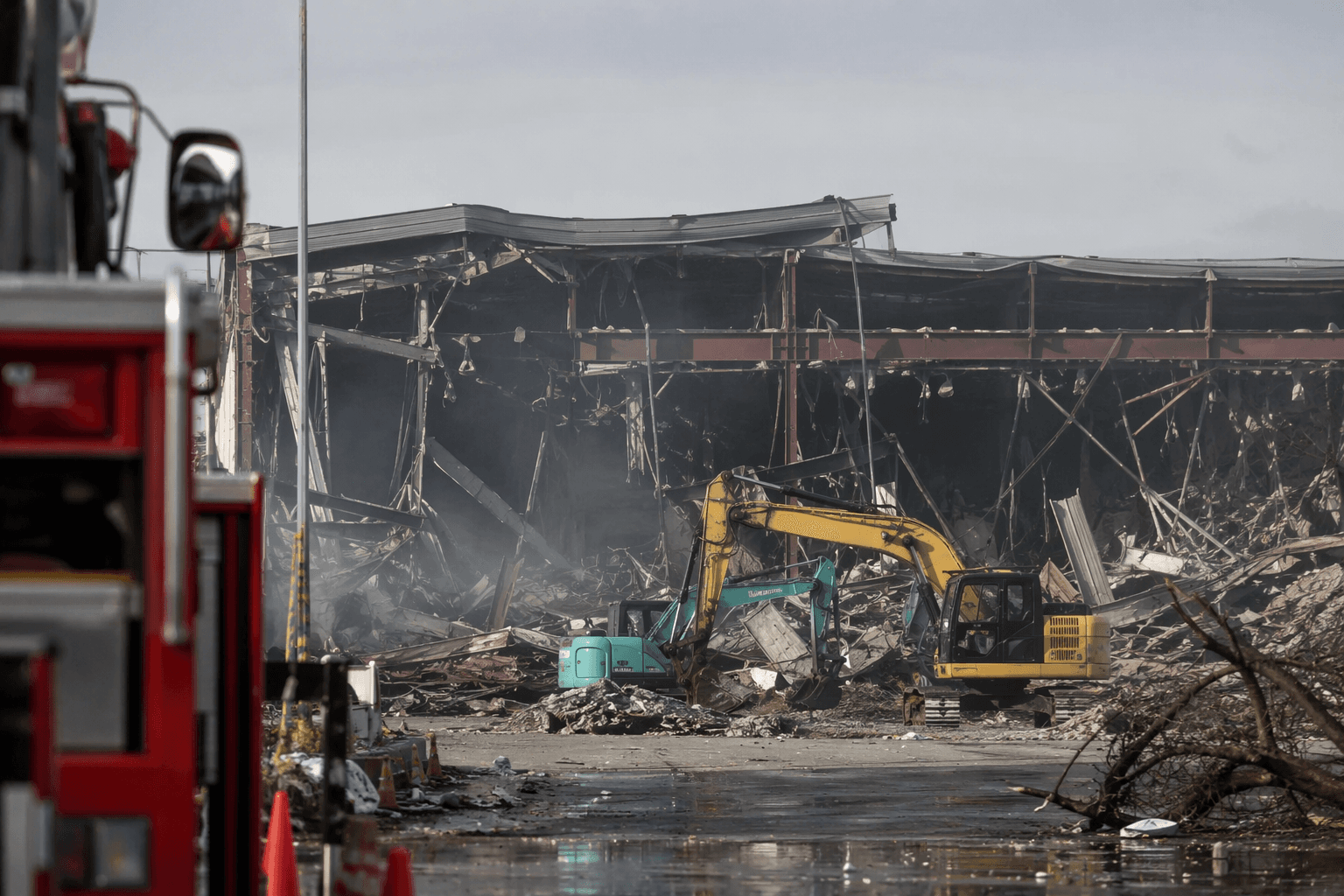
Rescuers pulled bodies and survivors from a partially collapsed Aeon shopping mall in Kumamoto prefecture on Tuesday, a day after a magnitude 7.1 earthquake shook southern Japan and set off an explosion at the site. At least 13 people were reported dead by July 29 as Japanese troops and emergency crews cleared debris and searched the wreckage.
The quake struck Kyushu at 16:27 local time, or 07:27 GMT, and the Japan Meteorological Agency said it reached Shindo level 7, the highest mark on Japan’s intensity scale. The tremor knocked out power to thousands of homes, ruptured roads and triggered a brief tsunami warning for waves of about one meter before the alert was lifted.
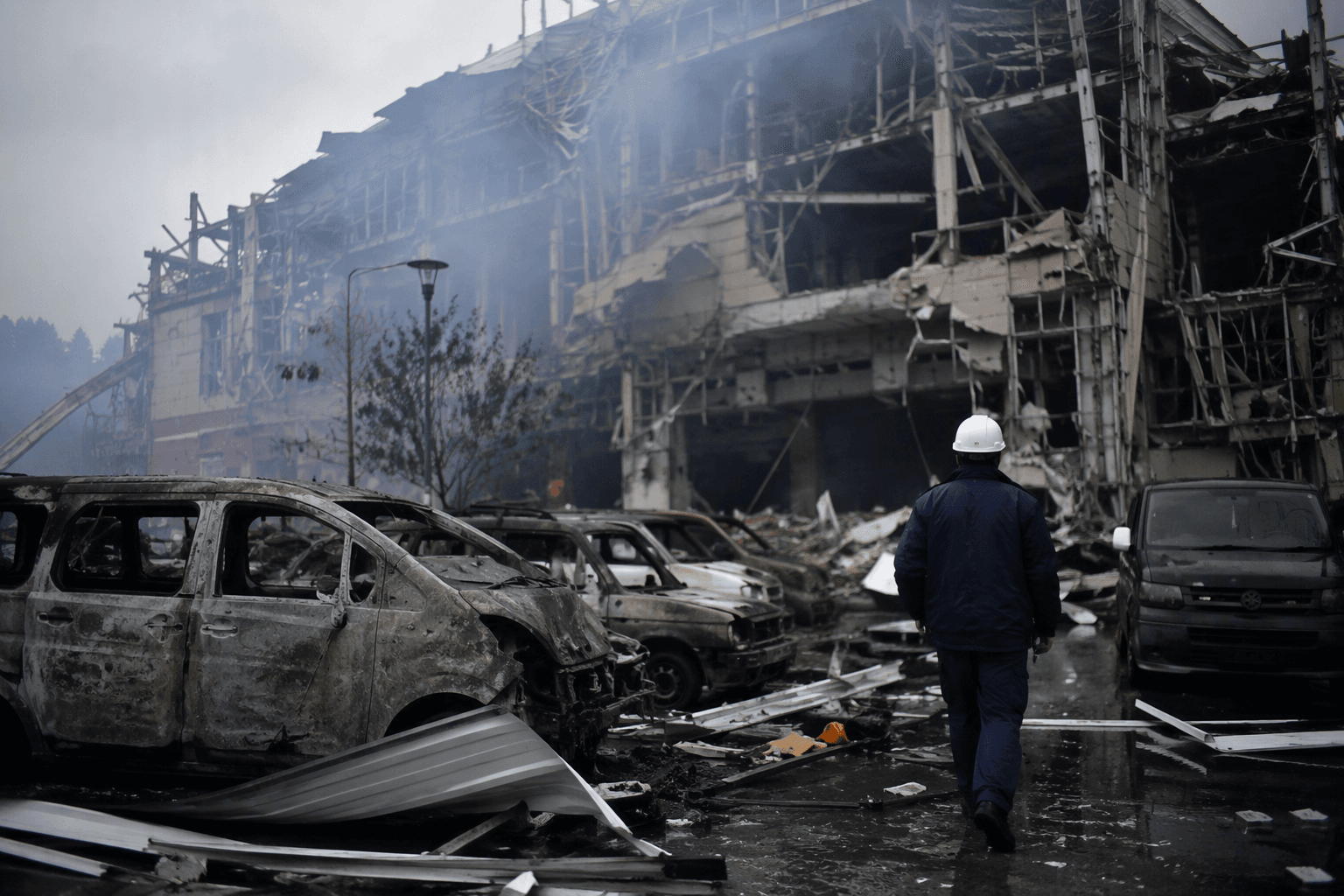
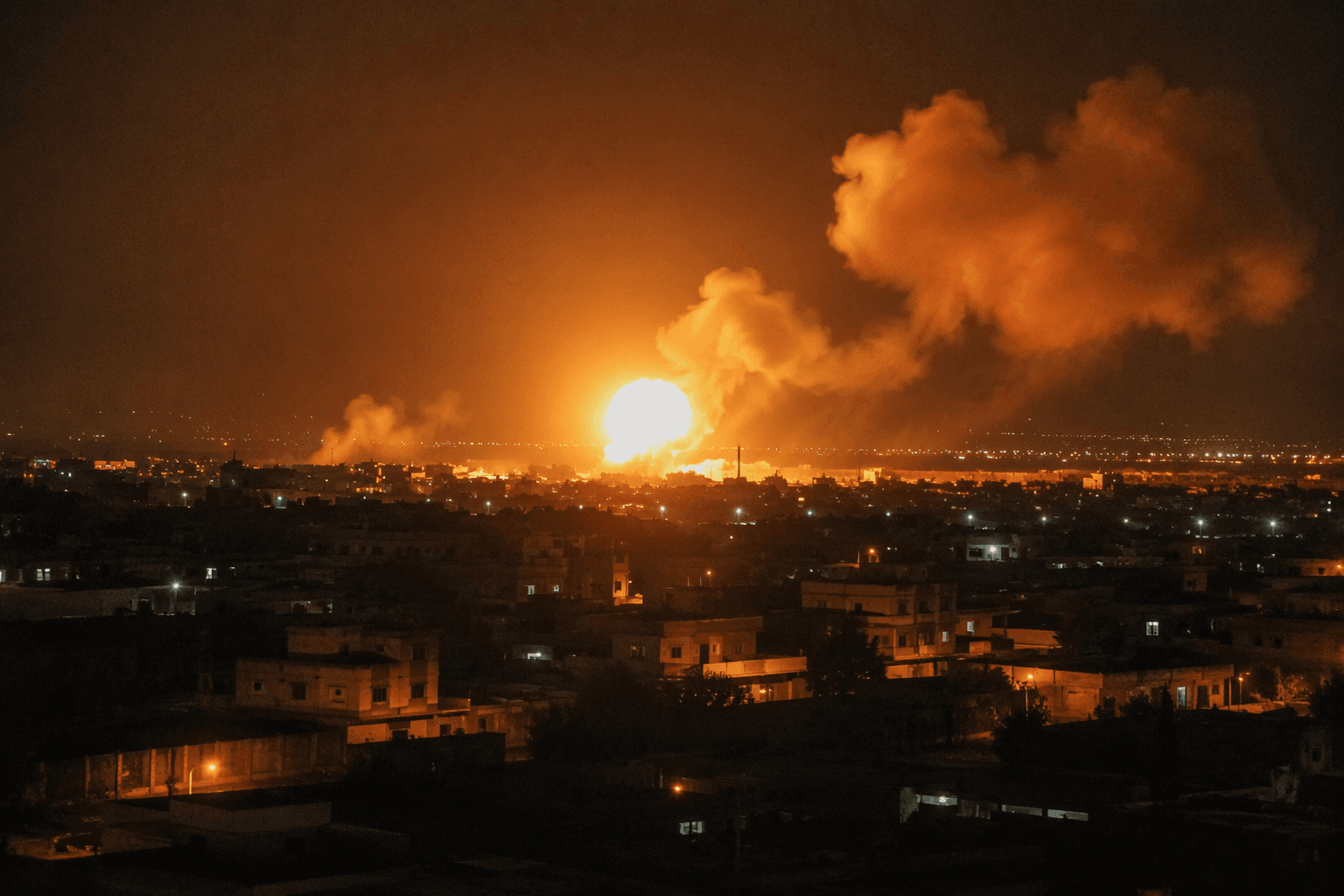
The shopping center became the center of the disaster after part of the mall collapsed and people were left trapped inside. An explosion was reported at the site after the earthquake, and authorities were investigating what caused it. That sequence turned an earthquake emergency into a second, deadlier crisis inside a public building, where evacuation routes, gas shutoffs and structural safeguards were all put under scrutiny in real time.
The Aeon mall had just reopened for a “fresh start” after a decade since Japan’s previous deadly quake, underscoring how quickly the country’s seismic risk can return to a place that had been marked by recovery. The site’s renewed role as a shopping hub made the collapse especially stark for Kumamoto residents, who had seen the mall as part of the area’s post-quake rebuilding.
The blast and collapse also rippled beyond the mall. TSMC evacuated its chip factory in Kumamoto prefecture after the earthquake, then said operations were gradually resuming, a sign that the damage extended into Japan’s industrial base as well as its neighborhoods. The death toll, the trapped people and the investigation into the mall explosion raised immediate questions about how Japan’s urban disaster plans hold up when a severe quake is followed by fire, structural failure or gas-related ignition inside crowded commercial spaces.
This article was produced by Prism’s automated news system from verified source data, official records, and press releases, then run through automated quality and moderation checks before publishing. The system is built and supervised by the people who set the standards it runs under. Read our full AI policy.
Did this article answer your question?