Underwater ultrasounds confirm pregnancies in three giant mantas
Underwater ultrasound scans confirmed pregnancies in three giant mantas, giving scientists rare proof of breeding in the wild and a tool for protecting a slow-breeding species.
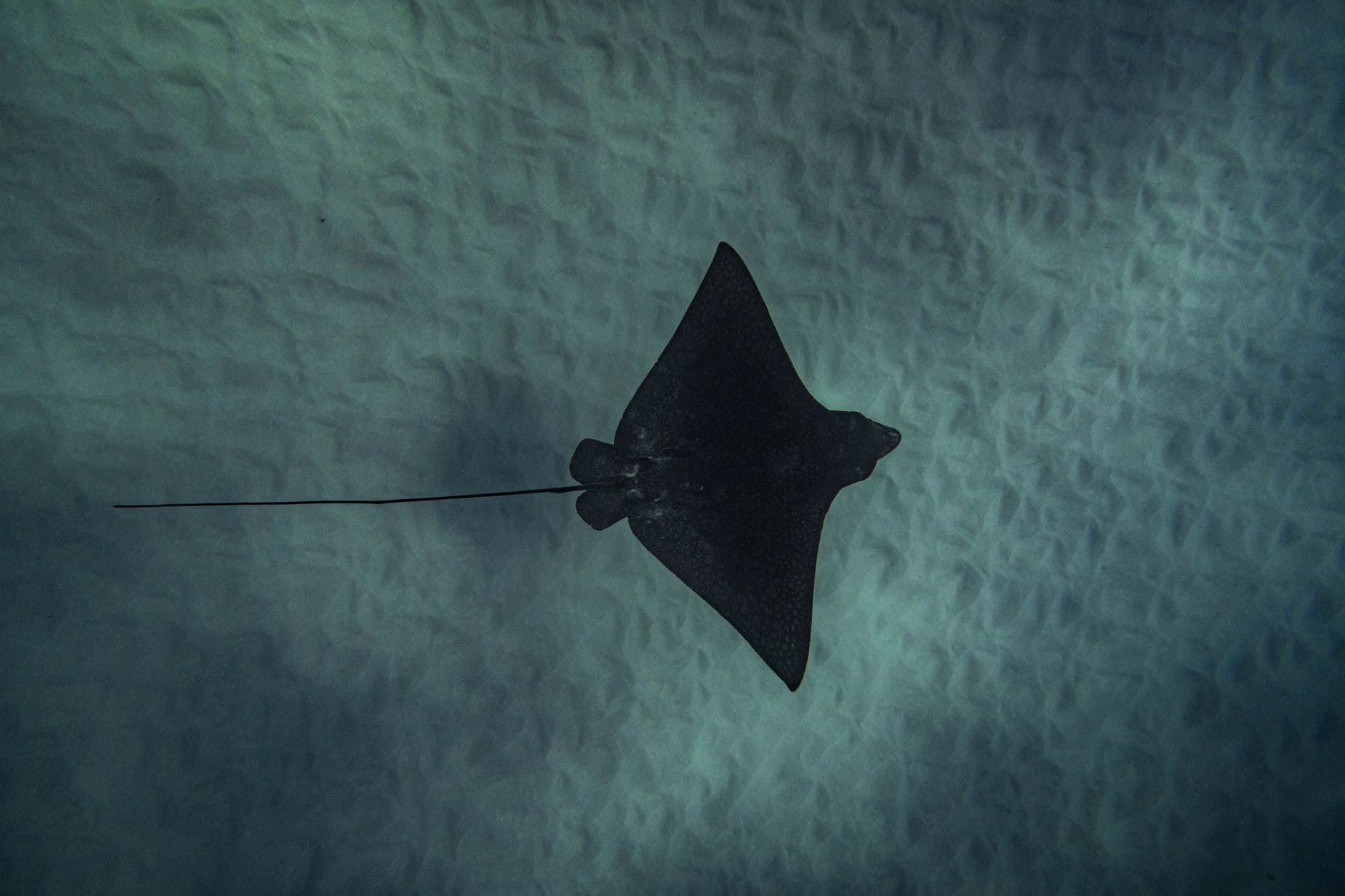
Underwater ultrasound scans confirmed pregnancies in three giant mantas, giving scientists one of the clearest looks yet at how the species reproduces in the wild. The work, posted June 8 as a preprint titled Underwater Ultrasonography Confirms Pregnancy in Free-Swimming Oceanic Manta Rays (Mobula birostris), came from waters more than 300 miles off Mexico’s Pacific coast.
The finding matters because manta rays reproduce at a glacial pace. National Geographic reported June 15 that they have only one baby every four to five years, making each verified pregnancy a valuable data point for population estimates, breeding-habitat mapping, and marine conservation planning. The giant manta in that account had a wingspan of about 15 feet, underscoring the scale of the animal scientists were able to scan without restraining it.
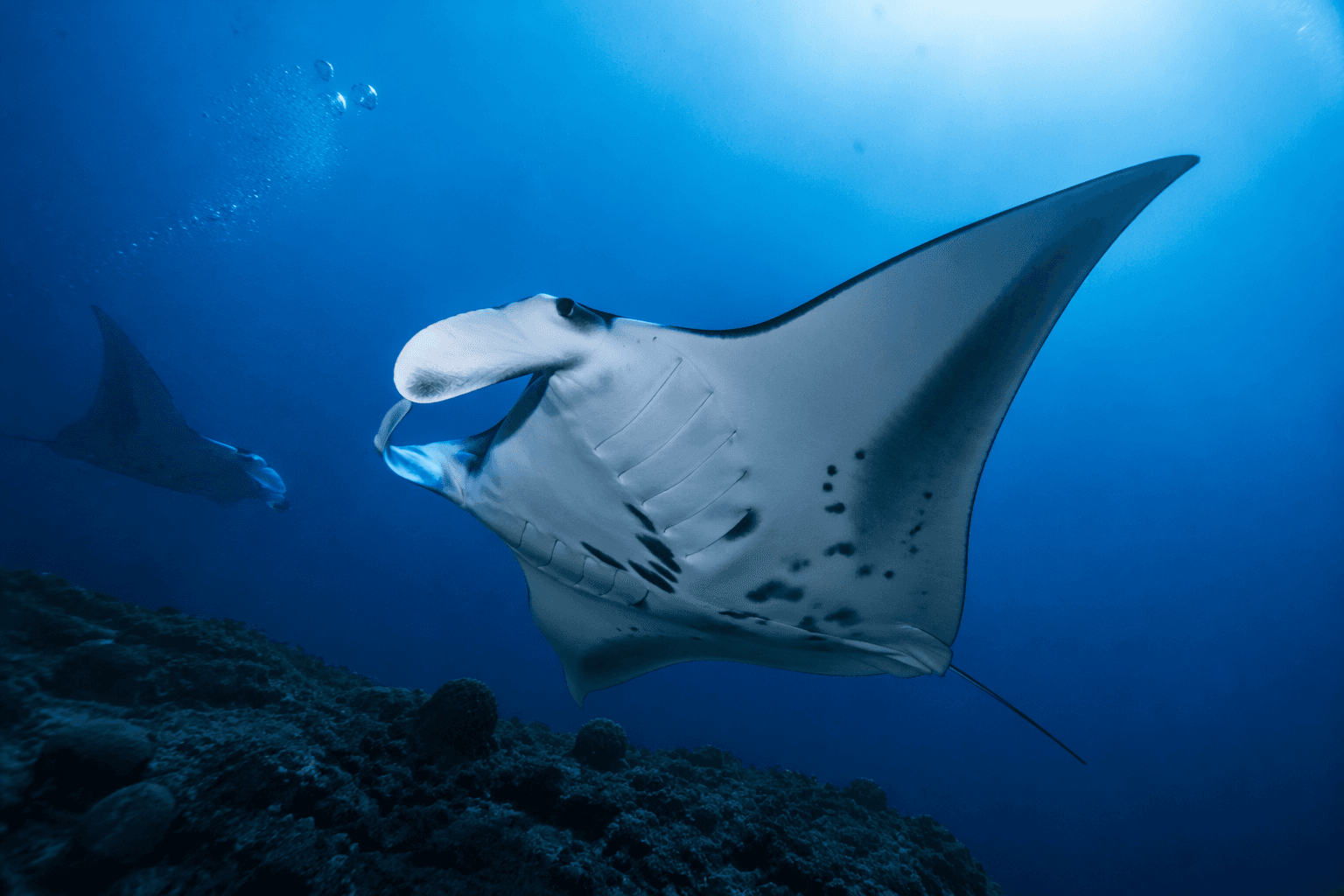
For years, manta reproduction has been hard to observe directly in the open ocean. A NOAA National Marine Fisheries Service-linked Fishery Bulletin paper documented nearly the entire gestation and embryonic development process in captive reef manta rays, while Manta Trust has described gestation in manta rays as lasting nearly 13 months. Even with those studies, wild pregnancies have remained elusive, leaving major gaps in knowledge about where mantas breed, when they breed, and which habitats matter most for protection.
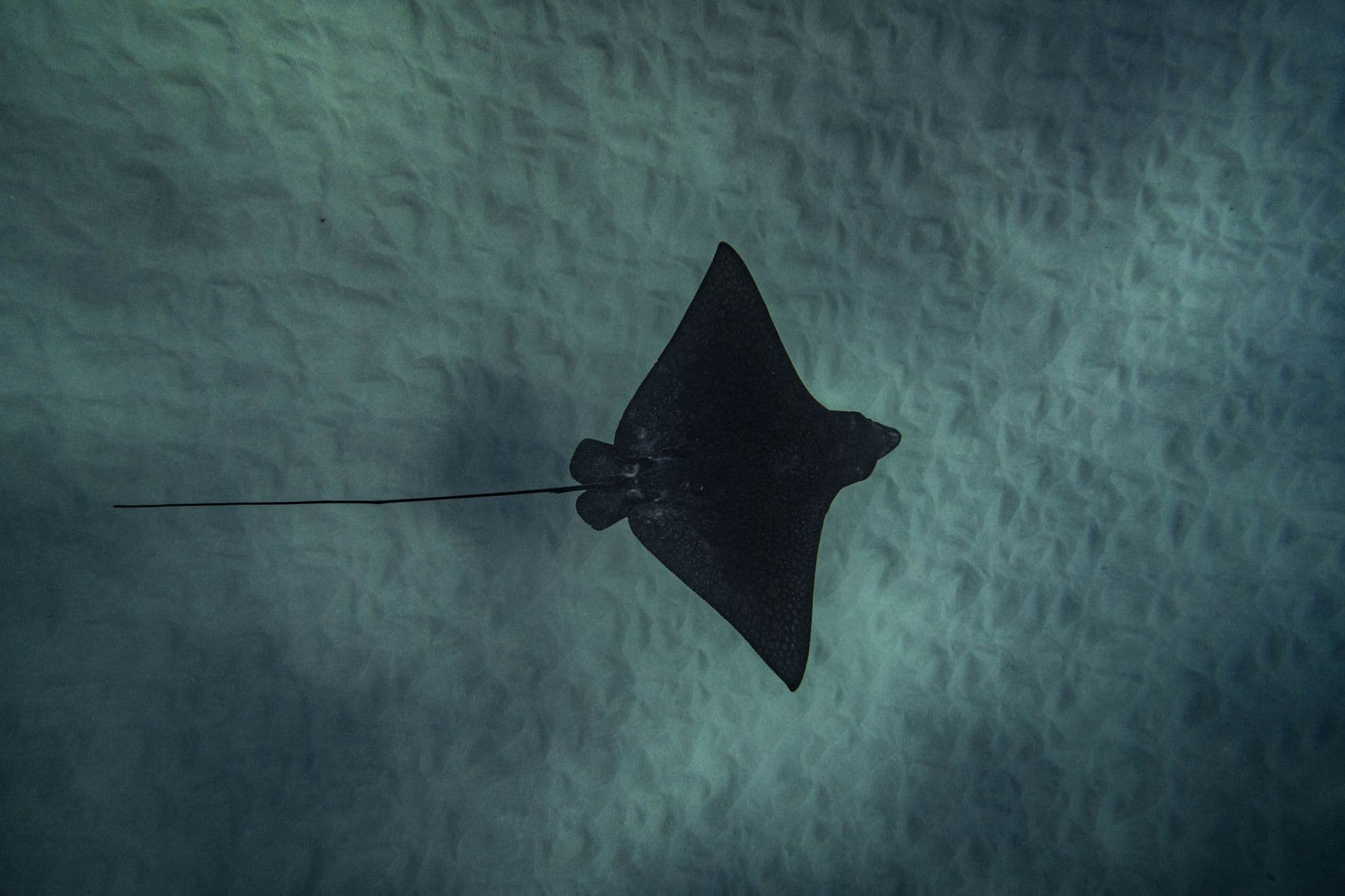
The new giant manta scans build on earlier field work that showed underwater ultrasound could be used noninvasively on wild rays. In 2019, Mongabay reported on a contactless underwater ultrasound device that captured clear images of a pregnant reef manta’s fetus, showing the method could assess maturity and reproductive status underwater. In October 2025, the Great Barrier Reef Foundation said researchers used ultrasound in Australian waters for the first time to look inside manta rays on the Great Barrier Reef, and a University of Cambridge report said those were the first-ever underwater ultrasound scans of wild reef manta rays.
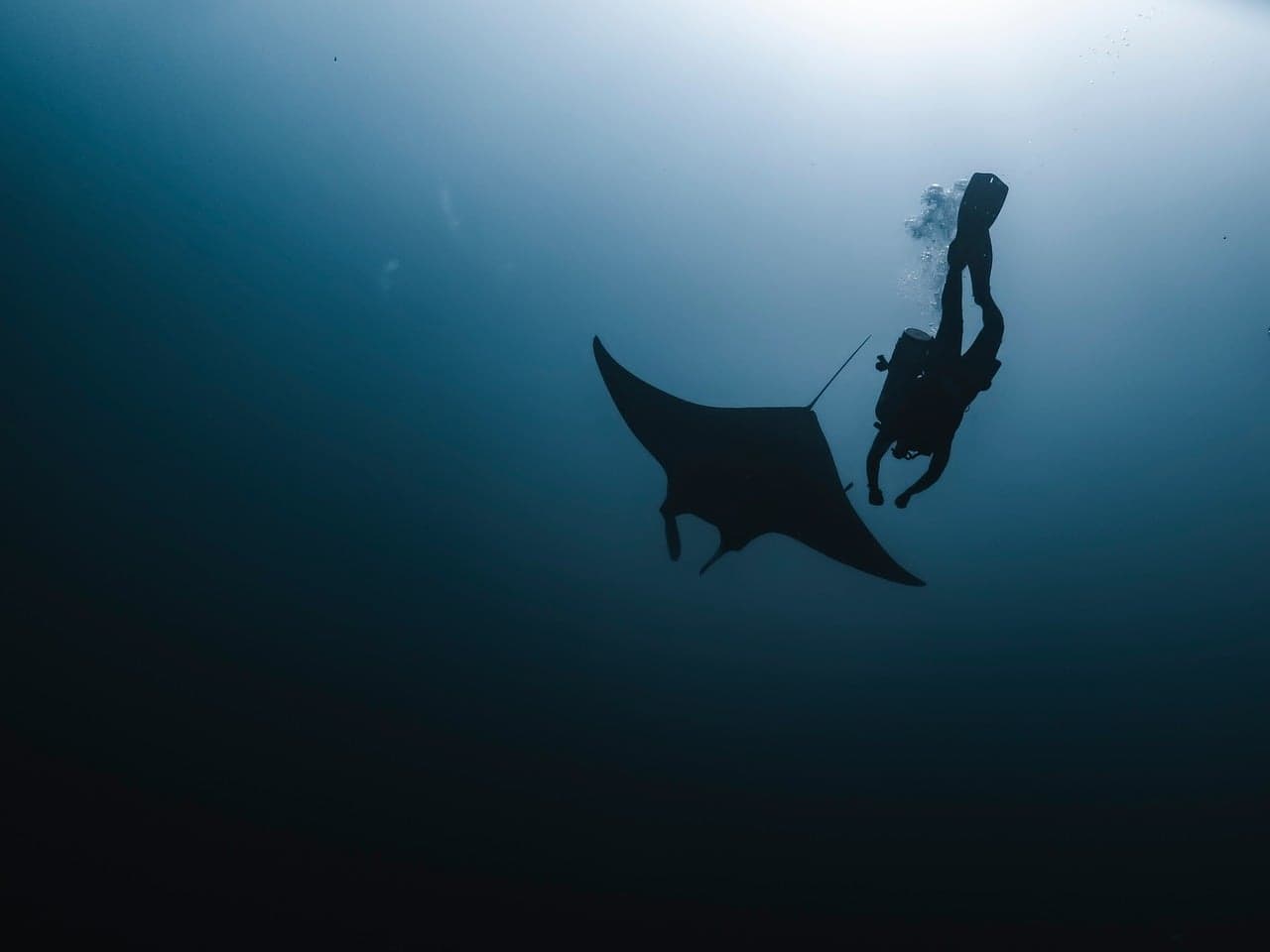
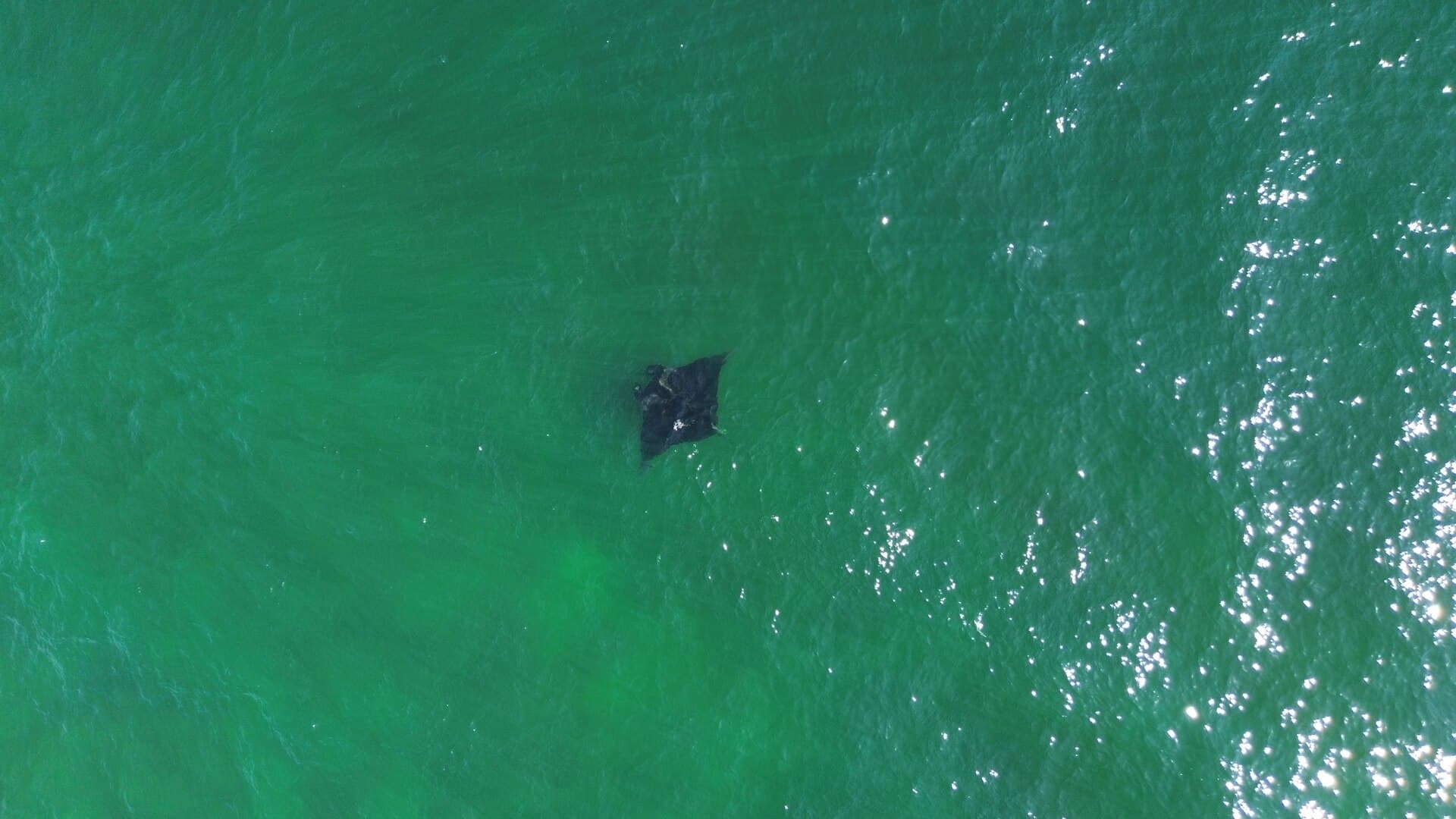
That sequence of studies turns ultrasound into a practical conservation tool for a species that cannot wait for perfect data. A Manta Ray Advocates Hawaii article published Aug. 17, 2020, said there was still a great deal that remained unknown about how manta rays reproduce. The new scans narrow that uncertainty with direct evidence from free-swimming giant mantas, giving managers a better basis for identifying vulnerable breeding areas before population declines become irreversible.
This article was produced by Prism’s automated news system from verified source data, official records, and press releases, then run through automated quality and moderation checks before publishing. The system is built and supervised by the people who set the standards it runs under. Read our full AI policy.
Did this article answer your question?