Kenya investigates elephant deaths in Amboseli after suspected poisoning
Fifteen elephants died in Amboseli over a month, and investigators are testing whether poisoned tomatoes from nearby farms killed most of them.
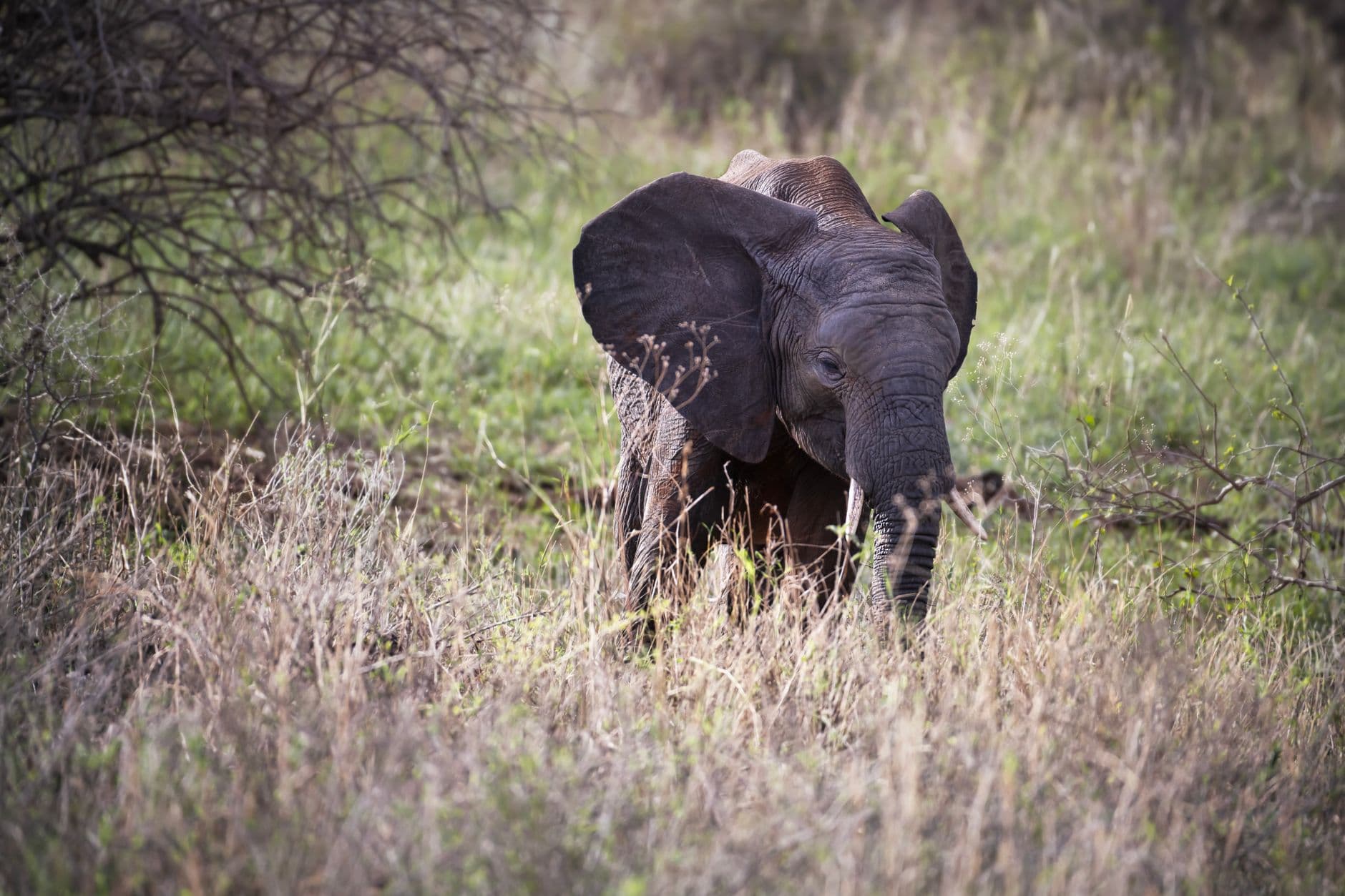
Kenya’s wildlife authorities were investigating the deaths of 15 elephants in the Amboseli ecosystem after preliminary tests found a potential toxic substance in samples from several animals. The dead included mostly females and calves, with only one male among them, deepening concern over a case that has shaken one of the country’s best-known wildlife areas.
The Kenya Wildlife Service said 10 of the elephants showed signs of partial paralysis before dying within one to two days. The other five were found dead, and their carcasses were partially consumed by scavengers. Reuters later placed the deaths between June 24 and July 24, 2026, showing the episode stretched across a month rather than a single incident.
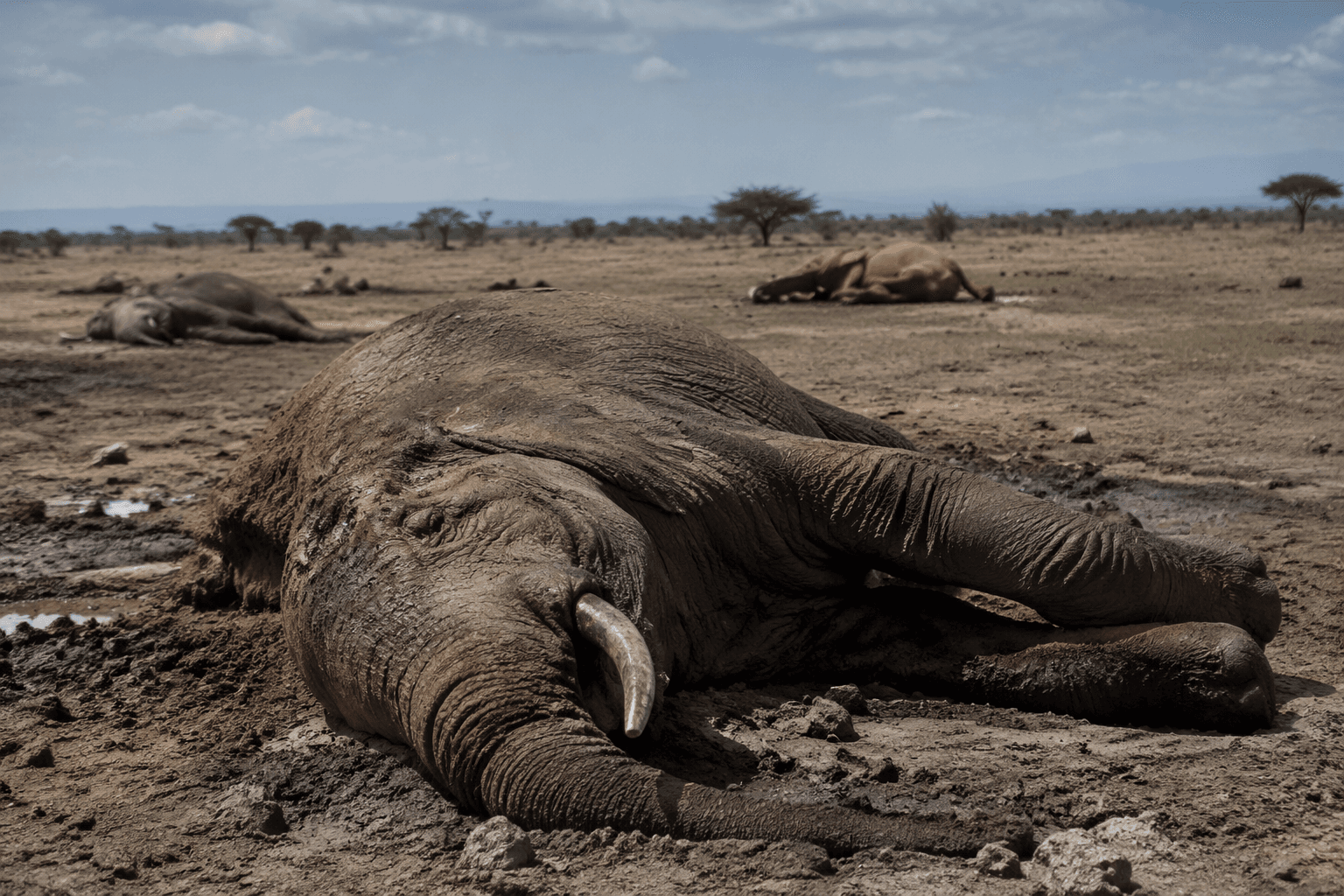
Investigators were also examining whether the poison came from human activity around the park. Local reports said authorities were looking into whether tomatoes contaminated by pesticides from nearby farms were involved, with cyanide emerging as a suspected toxin. Samples from the dead animals were sent for analysis, including to the Government Chemist, as officials tried to determine exactly what killed them.
The deaths have hit a sensitive nerve in Kenya, where wildlife tourism is a major economic pillar and Amboseli is a leading safari destination on the border with Tanzania. Conservation groups said the scale of the loss made it one of the worst poisoning cases ever seen in the Amboseli ecosystem. Kajiado leaders also demanded answers as public concern spread across the county and in Nairobi.
IFAW said it was deeply concerned by the reported deaths and urged that the findings be fully investigated. The case also carried an uncomfortable echo of past elephant poisonings elsewhere in Africa, including 14 elephants poisoned in Zimbabwe’s Hwange National Park in 2015 and more than 80 elephants killed by cyanide poisoning in another Zimbabwe park in earlier coverage.
The episode has put fresh pressure on Kenya’s wildlife managers to show how quickly they can trace a toxin through the landscape of farms, scavengers and protected habitat. For a country that markets its elephants as a core tourism asset, the answer will shape both conservation policy and the credibility of enforcement around the parks that still anchor the industry.
This article was produced by Prism’s automated news system from verified source data, official records, and press releases, then run through automated quality and moderation checks before publishing. The system is built and supervised by the people who set the standards it runs under. Read our full AI policy.
Did this article answer your question?