Australia takes Telegram to court over pro-terror content claims
Australia sued Telegram over claims it spread pro-terror videos, seeking a penalty of up to A$54.6 million after a year-long probe.
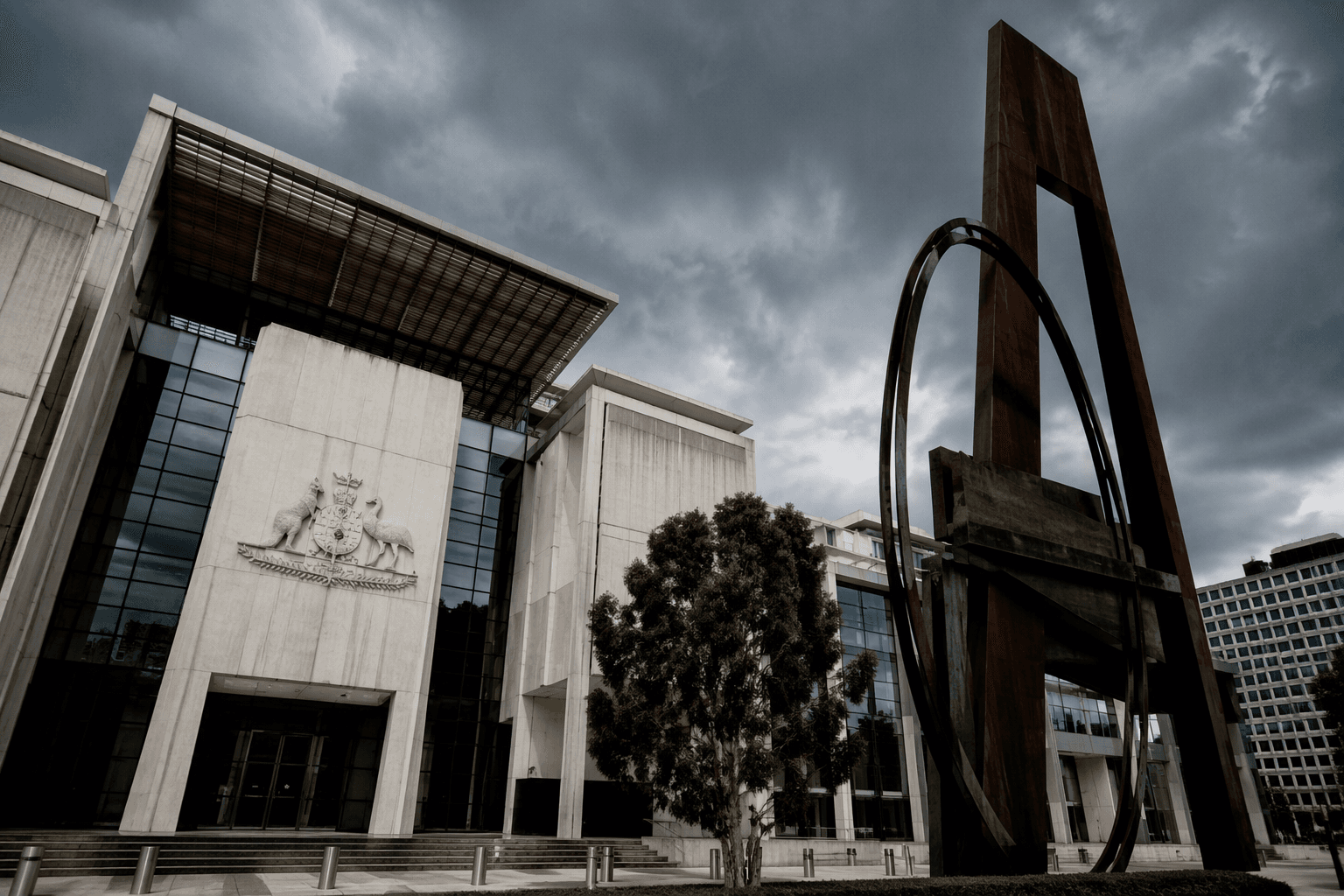
Australia opened legal action against Telegram over allegations that the messaging platform allowed pro-terror material to circulate. Julie Inman Grant, the eSafety Commissioner, said the case followed a year-long investigation into terrorist and violent extremist material on the service, including videos of terrorist executions and mass shootings.
The Albanese government said eSafety was seeking a penalty of up to A$54.6 million under the Online Safety Act. The move marked a shift from transparency enforcement to direct court action against a platform the regulator says did not move quickly enough to remove dangerous content.
The dispute has been building for more than a year. On 18 March 2024, eSafety issued Telegram a reporting notice requiring details on measures against terrorist and violent extremist material and child sexual exploitation material. In February 2025, the regulator hit Telegram with an infringement notice for A$957,780 after the company missed the reporting deadline by more than five months. Telegram then filed a Federal Court challenge to the validity of the notice on 15 April 2025, before eSafety said on 20 November 2025 that the company had discontinued that challenge.
Telegram’s own design has made it a recurring target for regulators. The company describes itself as a secure cloud-based messaging app, and App Store information places it among the world’s top 10 most downloaded apps, with more than 500 million active users. Its channels and broadcast tools give it broad reach and make moderation harder than on tightly controlled social networks, which is one reason governments have become more aggressive in demanding disclosures, takedowns and internal records.
Australia has already moved against linked extremist networks. The government has listed Terrorgram as an official terrorist organisation, and Australians found to be part of it face up to 25 years in prison. That backdrop has sharpened the stakes for Telegram, which has become a test case for how far national authorities can go when they believe a platform is not removing extremist material fast enough.
The government said it had "no tolerance for big tech failing to prevent, detect and remove pro-terror material," while eSafety said it would use the full range of its powers to protect Australians. The case now sits at the junction of online safety, encryption and civil liberties, with regulators weighing whether stronger penalties can force faster action from platforms that have long resisted deeper oversight.
This article was produced by Prism’s automated news system from verified source data, official records, and press releases, then run through automated quality and moderation checks before publishing. The system is built and supervised by the people who set the standards it runs under. Read our full AI policy.
Did this article answer your question?