U.S. launches fresh strikes on Iran as conflict widens
U.S. and Saudi strikes hit Iran-backed militias in Iraq as Tehran fired missiles at American forces, and Trump said Iran would have to "pay."
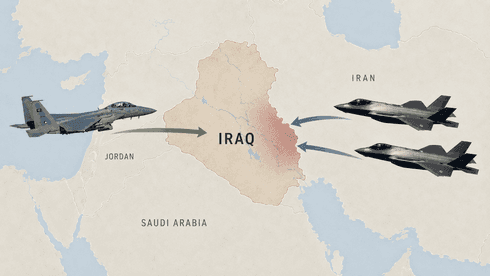
U.S. and Saudi strikes hit Iran-backed militias in Iraq as Iranian missiles answered with a barrage at American forces in the Middle East, killing at least 20 fighters and pushing the conflict farther beyond a limited exchange. The latest escalation tied Iraq, Jordan, Gulf shipping and the Strait of Hormuz into the same widening fight.
Donald Trump said Iran would have to “pay” after the attack and said he had been briefed on an incident involving an Egypt tanker, a signal that Washington was weighing a harder response as the regional crisis spread. Reuters also reported that Iran had resumed missile attacks on American forces in the Middle East, while AP coverage said the strikes followed a U.S. claim that it had foiled a missile attack on American targets. The sequence left the U.S. pressing on Iranian-backed groups in Iraq even as Iran widened its own retaliation.

The danger for U.S. troops was not abstract. Reuters reported earlier that Iranian attacks in July killed two U.S. military personnel, and coverage from Reuters and AP described repeated rounds of strikes over multiple nights as the confrontation spilled through Jordan and other parts of the Middle East. Attacks on American forces in Jordan became part of the backdrop to the current escalation, raising the risk that a limited air campaign could draw U.S. units and bases deeper into the fighting.
The economic stakes rose alongside the military ones. Reuters and other outlets have already documented major disruption to shipping in the Strait of Hormuz and the Bab el-Mandeb Strait, chokepoints that carry Gulf oil and global trade. An attack involving an Egypt tanker added to the concern that commercial shipping could be pulled into the conflict as Iran and the U.S. traded blows across sea lanes and proxy fronts.
In Washington, the campaign also reopened political questions that now shadow every new strike: what legal authority the White House is relying on, how much more retaliation U.S. forces can absorb, and whether the public will keep backing the operation. A Reuters/Ipsos survey released July 27 found only 33 percent of Americans approved of U.S. attacks on Iran, while 62 percent disapproved or were unsure, leaving Trump with a military escalation that is moving faster than the political consensus around it.
This article was produced by Prism’s automated news system from verified source data, official records, and press releases, then run through automated quality and moderation checks before publishing. The system is built and supervised by the people who set the standards it runs under. Read our full AI policy.
Did this article answer your question?