Japan weighs adoption plan to shore up shrinking imperial family
Japan’s lawmakers moved to adopt distant male relatives into the imperial family, even as 72% of voters backed a female monarch.
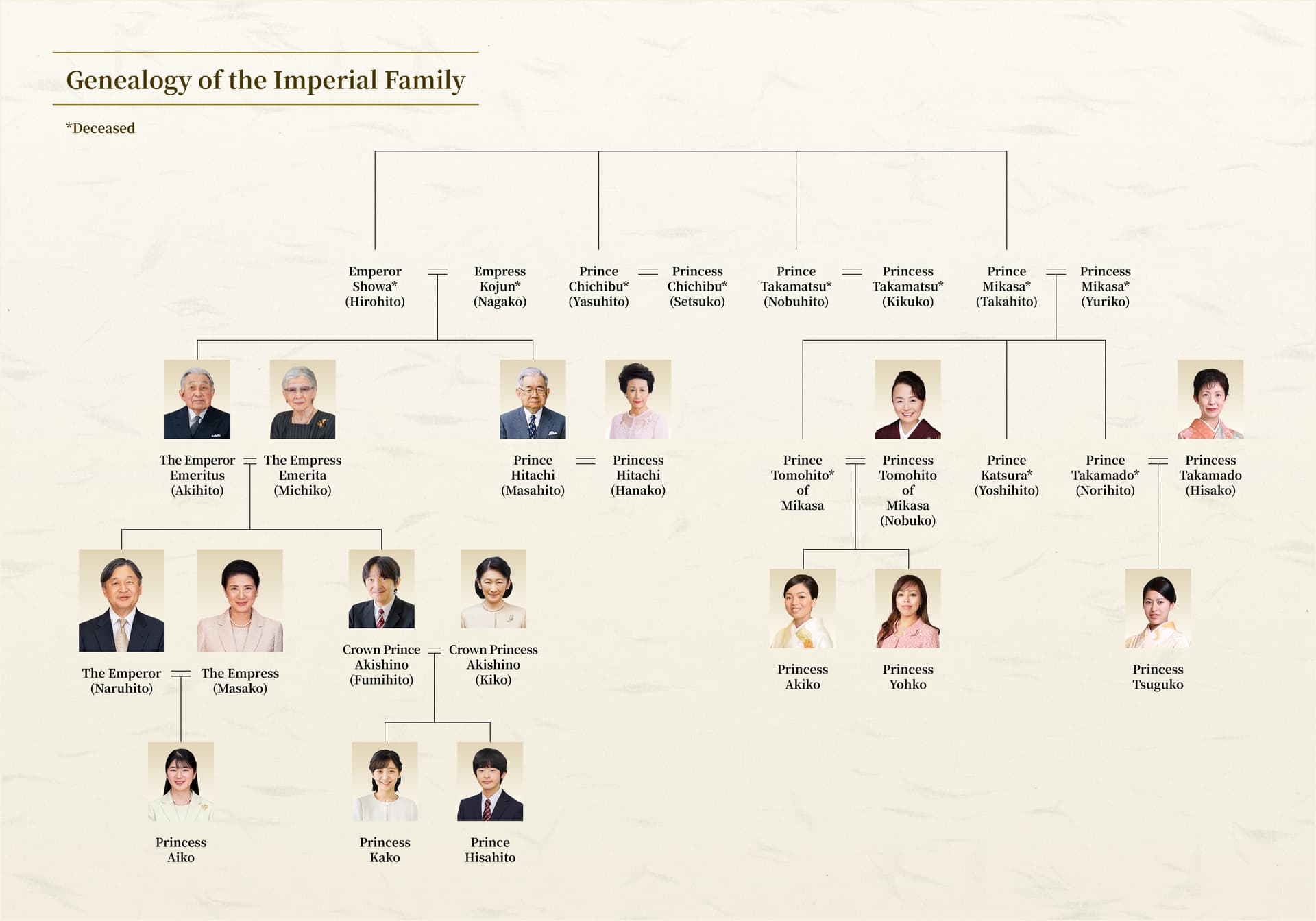
Japan’s imperial succession has narrowed to a single next-generation heir, Prince Hisahito, and lawmakers are now weighing whether adoption can keep the male line intact without opening the throne to a woman. The choice has turned into a test of how Japan balances imperial tradition, gender equality and the survival of a family that has steadily shrunk.
The consensus plan approved by Diet leaders and vice leaders on June 10 keeps the line of succession fixed from Emperor Naruhito to Crown Prince Fumihito, known as Akishino, and then to Prince Hisahito. It would allow the imperial family to adopt male members in the paternal line of the 11 former imperial branches that left the family in October 1947, but those adoptees would not have succession rights to the Chrysanthemum Throne. The proposal would require changes to Article 9 of the Imperial House Law, which now forbids adoption, and Article 15, which limits who can become an imperial family member.
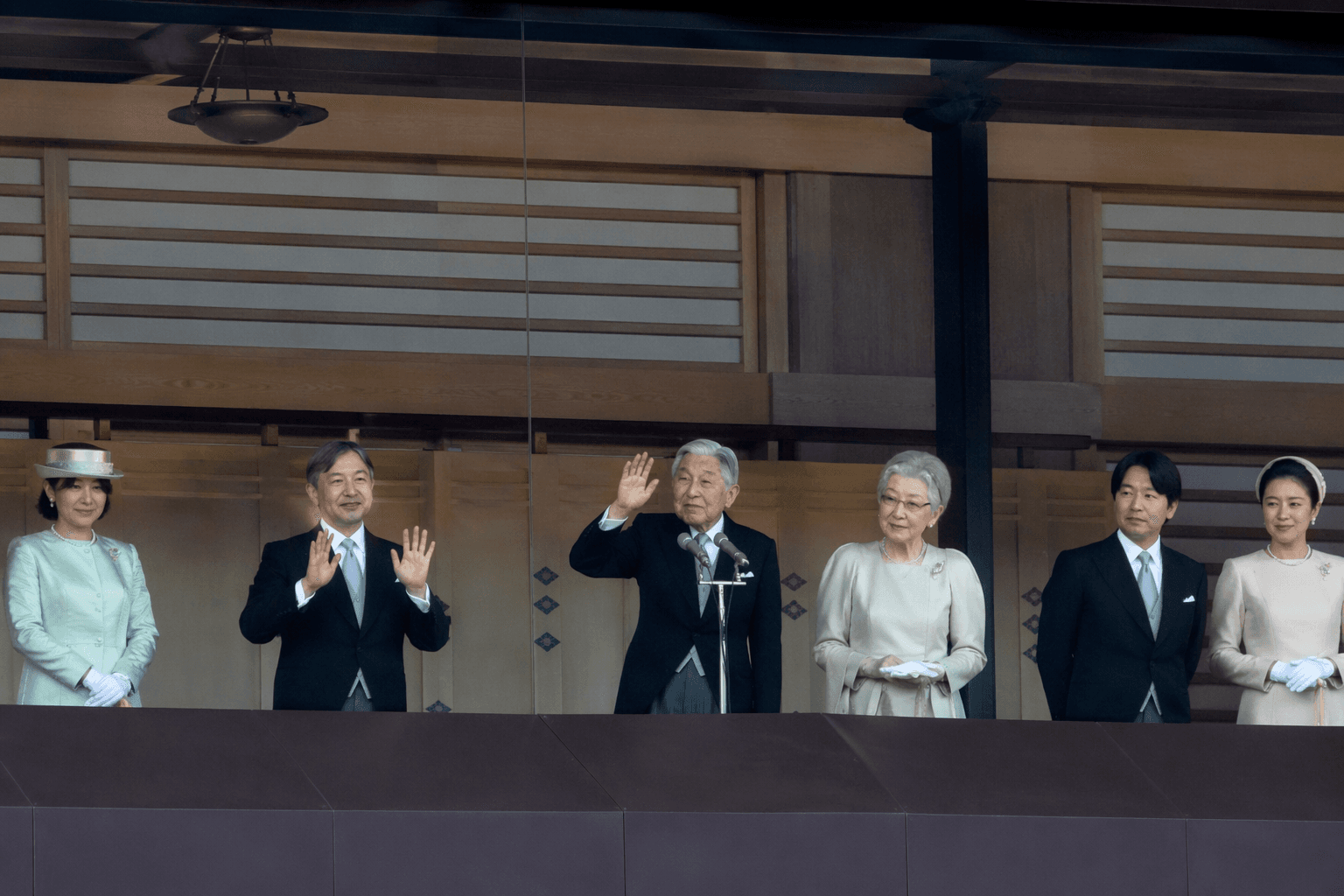
That compromise leaves unresolved the pressure on the women already inside the household. Five unmarried female imperial members, including Princess Aiko and Princess Kako, could lose their royal status if they marry commoners. The June proposal leaves open whether the spouses and children of female royals would be allowed to join the imperial family, but it does not alter the basic rule that succession remains male-line only.
Public opinion appears to be running in the opposite direction. A telephone survey by Asahi Shimbun in mid-May found 72% of respondents favored a female monarch, while 74% supported allowing male descendants from the matrilineal line to ascend. Those numbers suggest the public is more comfortable with widening the line of succession than with importing distant male relatives to preserve it.
The issue has been building for two decades. A 2005 government expert panel under Prime Minister Junichiro Koizumi backed female or matrilineal emperors, but debate shifted after Prince Hisahito’s birth in 2006. In 2017, the law enabling Emperor Akihito’s abdication included a supplementary resolution calling for study of stable succession and female branches. Now, with the government aiming to submit an Imperial House Law revision bill as early as June and enact it during the current Diet session ending July 17, lawmakers are confronting a sharper question: whether preserving the old line is still compatible with the public’s preference for a woman on the throne.
This article was produced by Prism’s automated news system from verified source data, official records, and press releases, then run through automated quality and moderation checks before publishing. The system is built and supervised by the people who set the standards it runs under. Read our full AI policy.
Know something we missed? Have a correction or additional information?
Submit a Tip