Protesters tear down fences at Albanian luxury resort site
About 200 protesters ripped down razor-wire fences in Rrjoll, turning a local land dispute into a national fight over luxury resorts, beach access and coastal ownership.

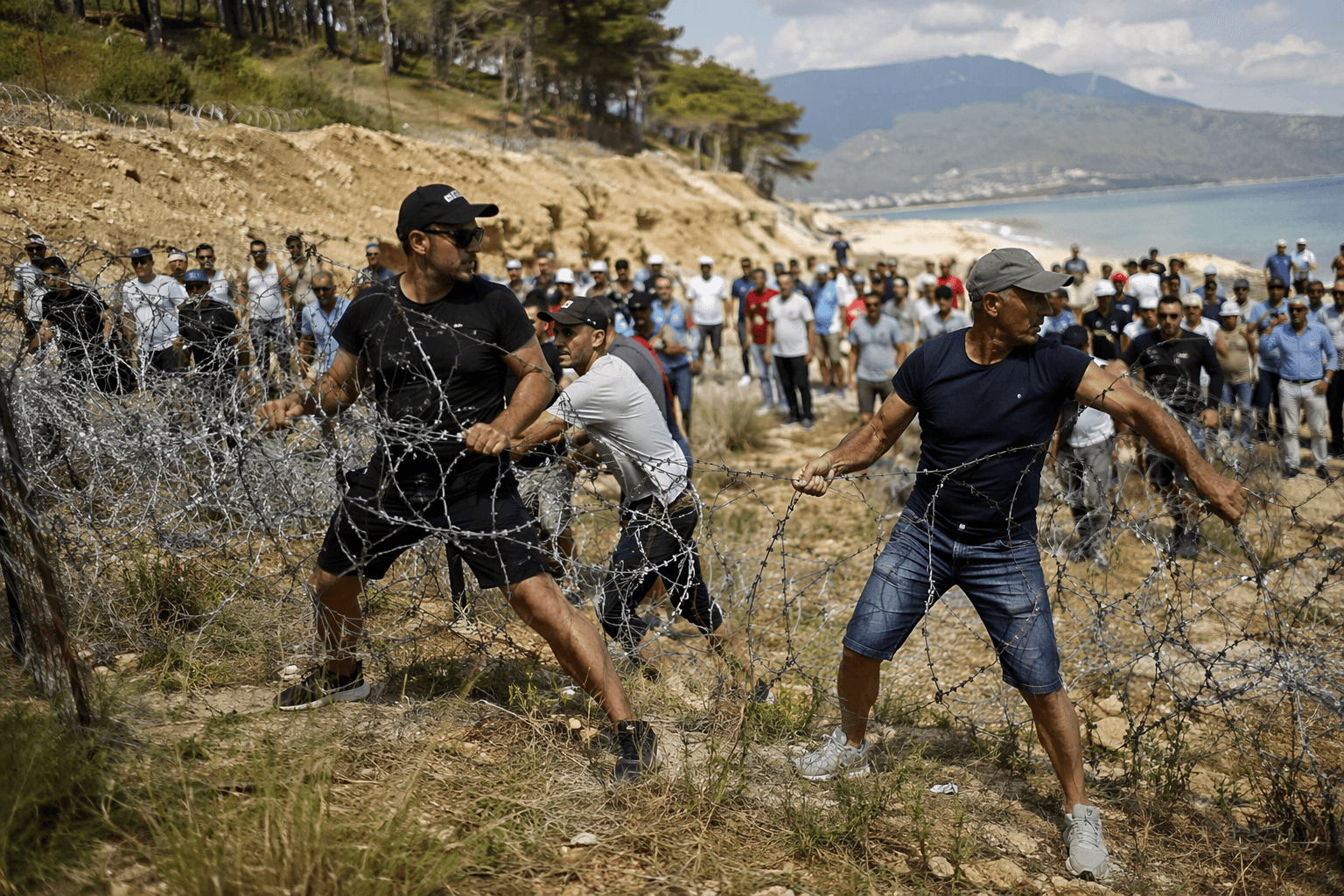
About 200 protesters tore down metal and razor-wire fences at a luxury development site in Rrjoll, on Albania’s Adriatic coast, in a dramatic challenge to who controls the shoreline. The fence-tearing turned a local land dispute into a wider revolt over luxury tourism, public access to the beach and the fate of environmentally sensitive coastal land.
Villagers said the land had been confiscated or sold without their proper consent, and local landowners demanded compensation and consultation. They accused the investors of ignoring the village while a five-star tourist resort takes shape on land that residents say should not have been taken from them. As demonstrators waved Albanian flags and shouted slogans, some scuffles broke out with police, but authorities did not stop the barriers from being pulled down.
The protest in Rrjoll was part of a broader wave of anger across Albania over elite resort projects on the coast. Thousands have already demonstrated in Tirana on June 3, June 4, June 5, June 8 and June 10, and protests have also spread along the southern coast. “Albania Is Not for Sale” has become a rallying cry, while the flamingo has emerged as a symbol of the movement, linking the fight over land rights to the defense of wetlands and wildlife.
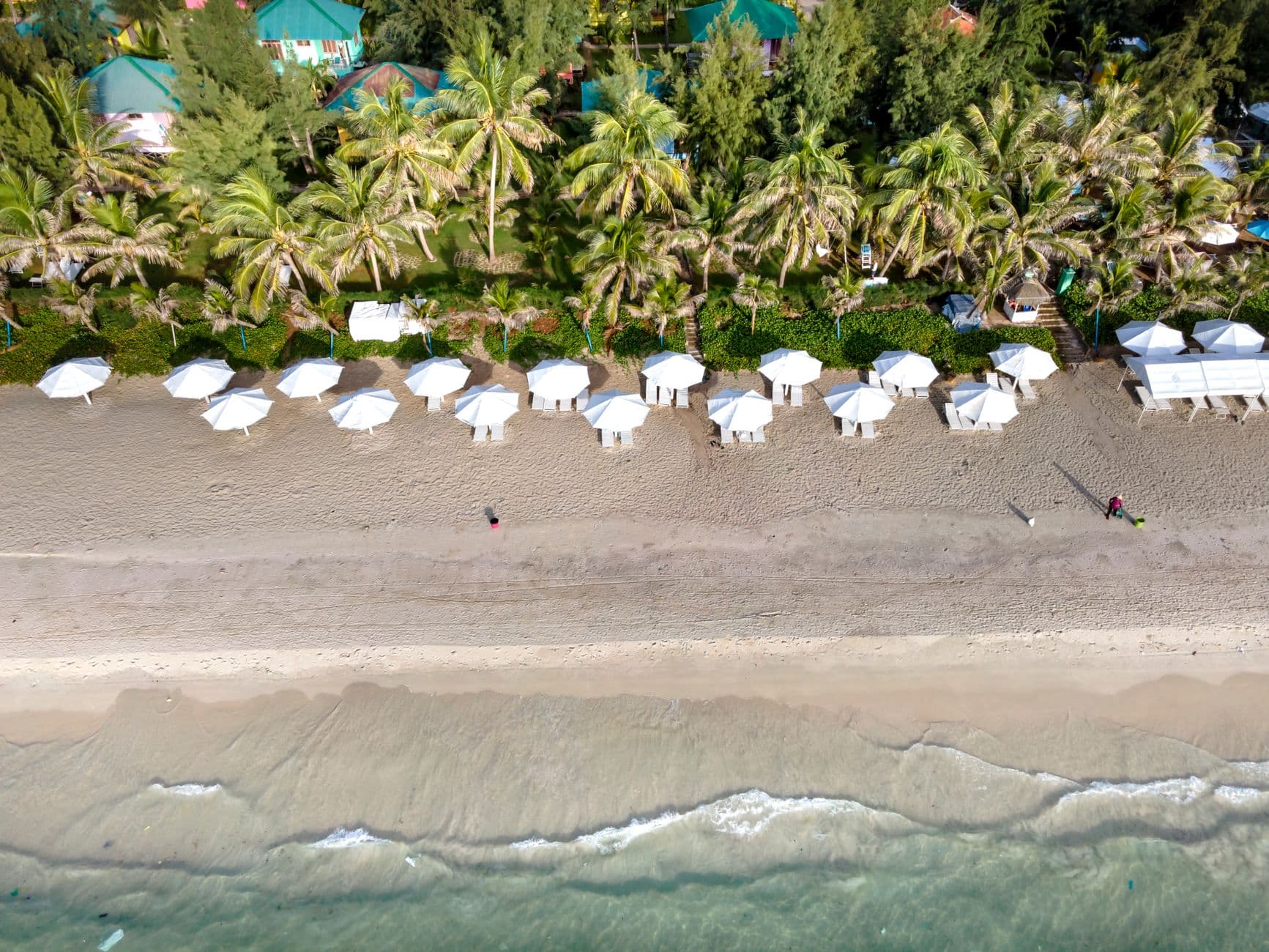
At the center of the dispute is a much larger resort plan tied to Jared Kushner through Affinity Partners. One report described the investment as worth €1.4 billion, or $1.6 billion, with development planned for Sazan Island and undeveloped coastline near the Vjosa-Narta protected landscape. Environmental critics say the project threatens a fragile wetland ecosystem that shelters flamingos, seals and sea turtle nesting sites, and they warn that dunes, pine forests and nesting areas could be damaged by construction.

Prime Minister Edi Rama has defended the project and said Albania would continue with the resort despite the protests. He has argued that the country must remain welcoming to investors and said parts of the resort could open to the public before the end of the decade. But the political resistance has only deepened after prosecutors froze the bank accounts of a landholding company tied to the project on June 2, amid an investigation into allegedly fraudulent property titles, and after the European Commission warned on June 9 that Albania must align with EU environmental legislation if it wants to advance its accession bid.
For Albania, the fight in Rrjoll has become more than a clash over fences. It is now a national test of whether development will mean public benefit, or the transfer of the coast to powerful investors while residents and fragile habitats pay the price.
This article was produced by Prism’s automated news system from verified source data, official records, and press releases, then run through automated quality and moderation checks before publishing. The system is built and supervised by the people who set the standards it runs under. Read our full AI policy.
Know something we missed? Have a correction or additional information?
Submit a Tip