Trump says Iran killings are easing - Tehran denies execution plans
Trump says killings in Iran are "stopping" and no mass executions are planned; Tehran denies execution plans and rights groups report mixed casualty tallies.
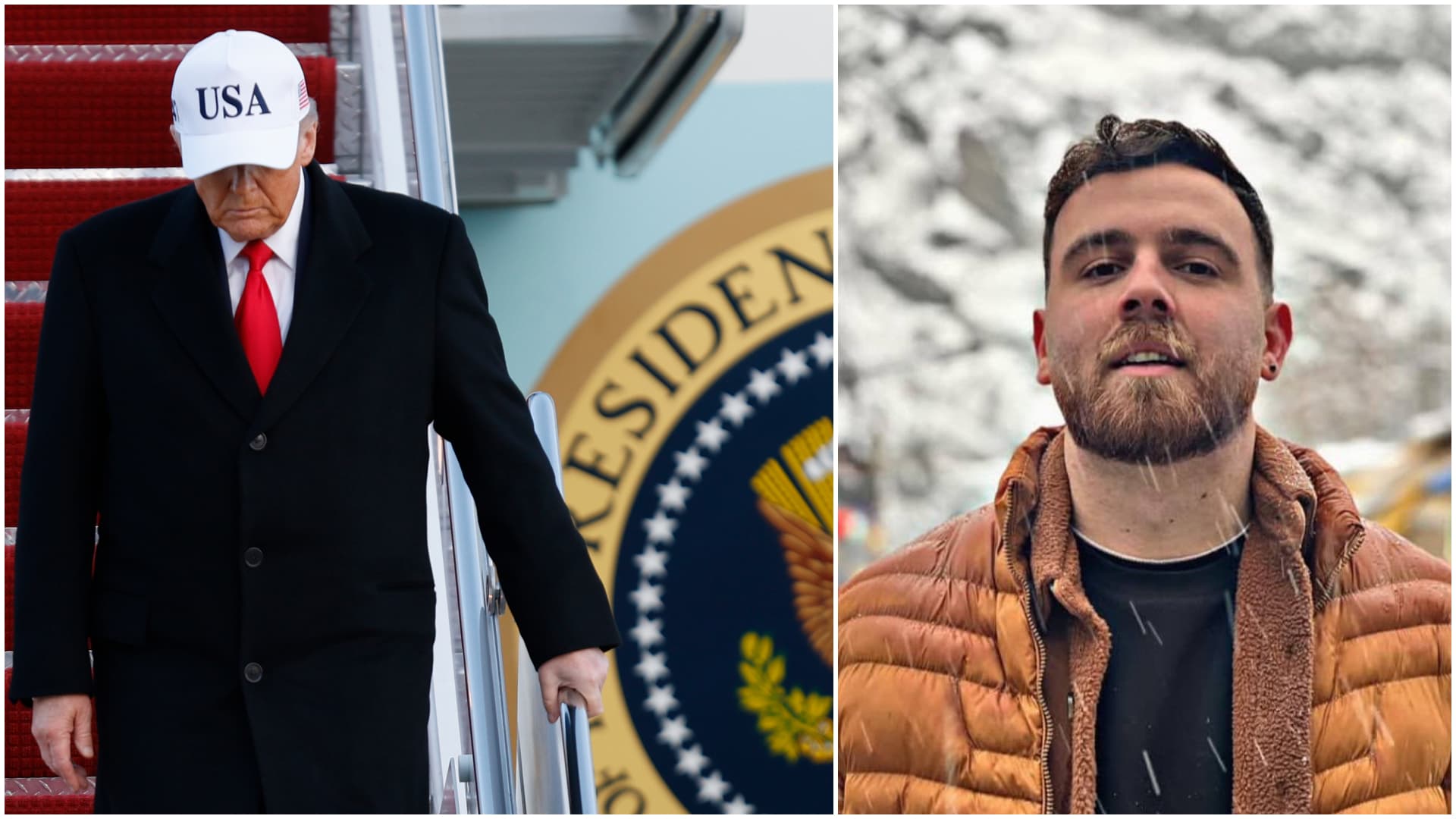
President Donald Trump told reporters he had been "told" and believed "on good authority" that the killings in Iran's crackdown on nationwide protests were "stopping" and that there was currently no plan for large-scale executions. He said the information came from "very important sources on the other side," that he had received a "very good statement" from Iran, and that the United States would "watch what the process is," while stopping short of ruling out future military action and stressing the option of "very strong action."
Iranian state media and government officials publicly rejected claims that mass hangings were planned. Foreign Minister Abbas Araghchi said there were no plans to execute protesters and reiterated Tehran's contention that foreign "terrorist elements" were fomenting unrest. Iran's judiciary, citing state media, said one detained man, Erfan Soltani, had not been sentenced to death. Soltani, described in reporting as a 26-year-old clothes shop owner arrested in the city of Fardis west of Tehran, was reported by his relatives and a rights group as having a scheduled execution that would not take place.
The protests, sparked around Dec. 28, 2025, have drawn differing casualty tallies from rights groups. Some counts cited by international outlets put the dead at more than 2,400, while other tallies rise to at least 3,428. An internet blackout imposed by Iranian authorities for about a week has severely hampered independent verification and limited the flow of information inside the country, making those figures difficult to reconcile in real time.
The standoff has heightened regional tensions and prompted operational changes. Iran warned neighbors it would strike U.S. bases in the region if American forces attacked, and a U.S. official said Washington was withdrawing some personnel from bases in the region as a precaution. Two European officials said U.S. military intervention could occur within 24 hours, and an Israeli official suggested the U.S. president appeared to have decided to intervene, though those sources said scope and timing remained unclear. Airspace closures and flight disruptions were also reported in affected corridors.
Markets moved quickly on the president's statements. Oil futures retreated from multi-month highs and gold eased from record peaks after Mr. Trump indicated the immediate threat of mass executions was not materializing, a development that reduced a near-term risk premium tied to regional military escalation. The pullback underscores how geopolitical risk remains a major driver of commodity volatility even as core supply fundamentals evolve.
Policy implications are immediate and longer-term. For Washington, the announcement reduces the political pressure for an immediate kinetic response but leaves the administration with a credibility challenge: the president cited unnamed sources and a so-called "very good statement" from Tehran without providing verifiable evidence. For Tehran, public denials aim to de-escalate international pressure while the domestic security apparatus continues a hard-line response that has, to date, produced substantial casualties and deepened social fractures.
The situation remains fluid. Key outstanding facts include independent confirmation of Soltani's legal status, verification of casualty and execution claims, clarification of the sources Mr. Trump referenced, details of any U.S. force movements, Iran's formal communications regarding threats to regional bases, and the current geographic scope of the internet blackout. Those elements will determine whether markets stabilize further or whether renewed escalation revives the risk premium that has driven recent spikes in oil and precious metals.
This article was produced by Prism’s automated news system from verified source data, official records, and press releases, then run through automated quality and moderation checks before publishing. The system is built and supervised by the people who set the standards it runs under. Read our full AI policy.
Did this article answer your question?