Trump says Iran peace framework nearly done, talks continue on details
Trump said a Iran peace framework was “largely negotiated,” but the key tests remain who controls Hormuz and whether sanctions relief follows.
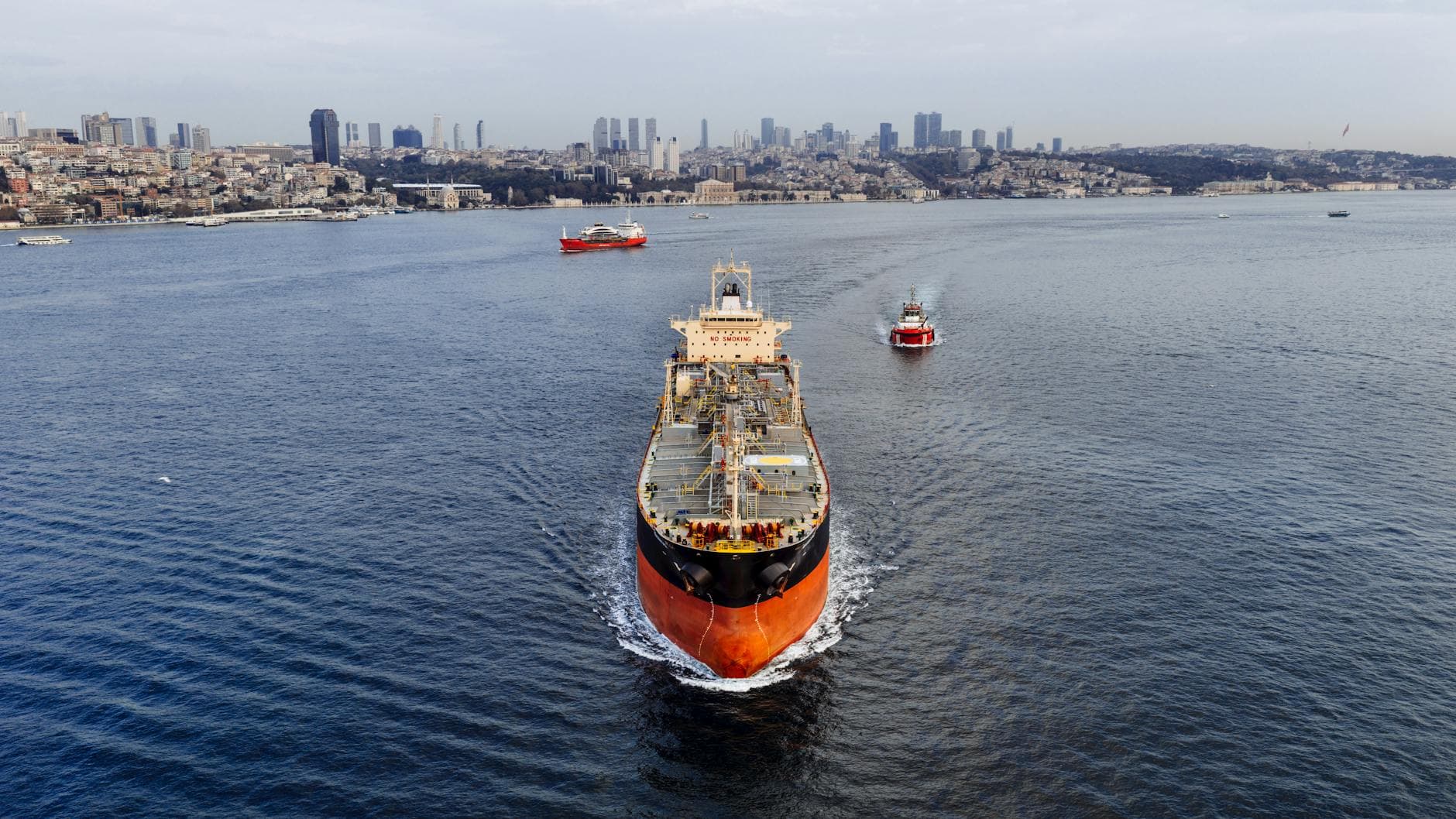
Donald Trump said a memorandum of understanding with Iran was “largely negotiated,” but the shape of the deal remained unclear, with final details still being discussed and promised for announcement soon. The emerging framework, according to Reuters, would reopen the Strait of Hormuz and move through three stages: formally ending the war, resolving the Strait crisis, and opening a 30-day window for broader negotiations that could be extended.
That public claim immediately met pushback from Tehran. Iran’s Fars news agency said Trump’s account was inconsistent with reality and said the Strait would be managed by Iran under its version of the deal. On May 21, Iran said it was reviewing the latest U.S. proposal, and foreign ministry spokesman Esmaeil Baghaei said Tehran had received the American side’s views and was studying them. Pakistan has been handling the exchanges between Tehran and Washington, and Reuters reported that Pakistan’s army chief, Asim Munir, was part of the mediation process.

The substance of the proposal is still being fought over, and the gaps matter. Iranian state media said Tehran’s latest version called for ending hostilities on all fronts, including Lebanon, the withdrawal of U.S. forces from areas close to Iran, reparations for destruction caused by the U.S.-Israeli war, sanctions relief, the release of frozen funds and an end to the U.S. marine blockade. Reuters said those terms appeared little changed from an earlier Iranian offer, which raises the question of whether the sides are narrowing differences or simply repackaging old demands.
The economic stakes are immediate. CNBC reported that before the war, about 20% of the world’s oil and liquefied natural gas moved through the Strait of Hormuz, but shipping traffic had virtually halted since U.S.-Israeli strikes began on Feb. 28, 2026. Any real breakthrough would have to restore that flow, even partially, because a reopening of Hormuz would ripple through global energy markets, shipping insurance costs and fuel prices.
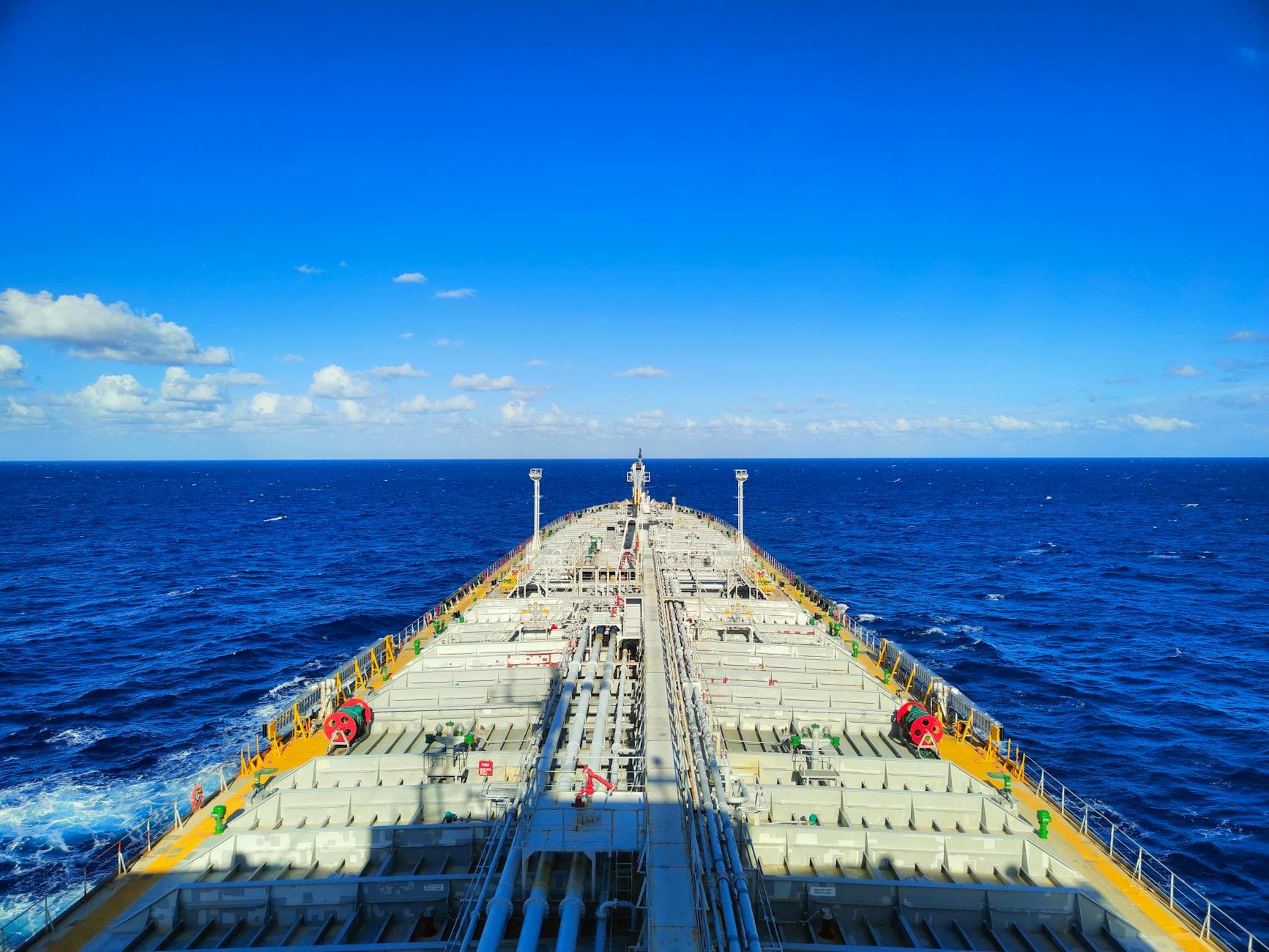
Trump’s own statements have shifted quickly enough to leave diplomats and traders guessing. Reuters reported that he said he had been an hour away from ordering an attack before postponing it, and The Washington Post reported on May 19 that he had called off a planned attack to give talks more time. The White House later clarified his social-media remarks after he spoke of “unconditional surrender.” Trump also held calls on May 23 with leaders from Saudi Arabia, Qatar, the United Arab Emirates, Jordan, Egypt, Turkey and Pakistan, as regional pressure mounted to let diplomacy run. For now, the clearest proof of a real deal would not be the language of a memorandum. It would be tankers moving again, sanctions measures changing and both sides sticking to the same terms after the next round of public statements.
This article was produced by Prism’s automated news system from verified source data, official records, and press releases, then run through automated quality and moderation checks before publishing. The system is built and supervised by the people who set the standards it runs under. Read our full AI policy.
Did this article answer your question?


